 info@gorillatrekkinginafrica.com
 +256 787505601
Factors to consider when visiting Juba and South Sudan
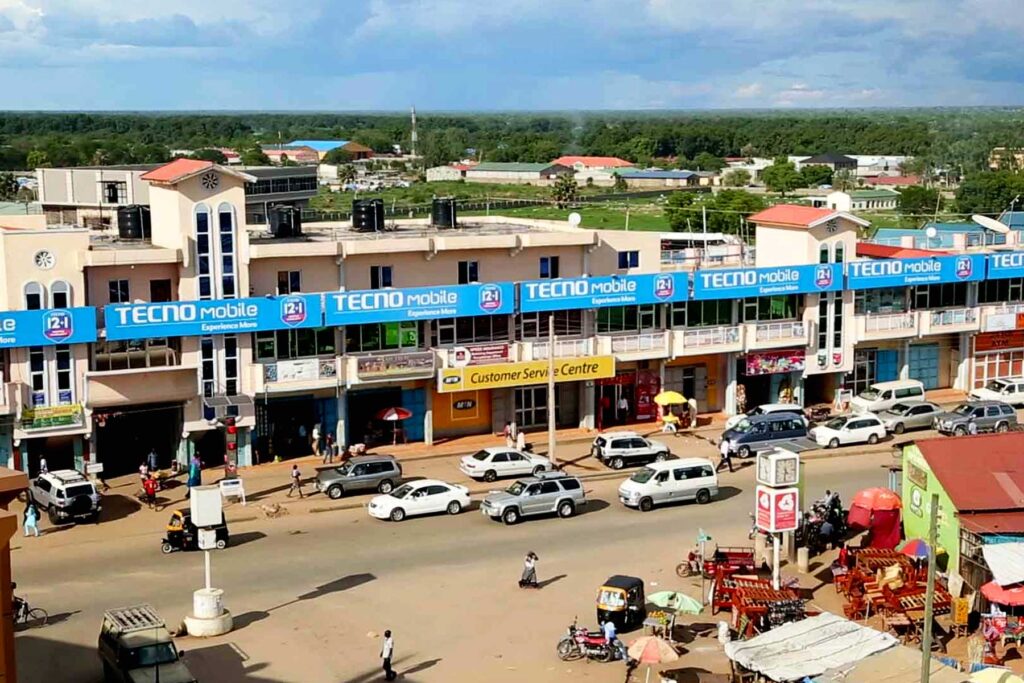
Costly Travel:
Factors to consider when visiting Juba and South Sudan, Traveling within South Sudan is costlier than in neighboring countries. This is primarily due to the lack of essential supplies. Traveling with sufficient physical currency is essential, as credit card purchases are only feasible in Juba and a limited number of larger towns. While dollars are accepted, it is also necessary to possess notes in the local South Sudanese pound. A Visa and a valid passport are essential for entering and traveling to many towns in South Sudan. Anticipate being halted at multiple checkpoints and roadblocks.
Friendly People:
Notwithstanding decades of civil conflict and limited interaction with foreigners, South Sudanese individuals are typically amiable, benevolent, and hospitable towards strangers. Their amicability towards foreigners presents an opportunity to gain substantial insights about the country and its internal dynamics without appearing overly inquisitive.
The Climate:
South Sudan possesses a tropical climate characterized by intervals of substantial precipitation succeeded by arid phases. Certain regions of the country have increased precipitation and temperature; however, the rainy season typically spans from April to October. Regions at elevated altitudes experience greater precipitation than their flatter counterparts. Due to her proximity to the equator, it is significant to observe that the duration of days and nights is equal.
Best time for visitation:
Given that the country endures both wet and dry months, it is advisable to travel during the dry season, which occurs from November to April. The inadequate road infrastructure in rural areas renders travel during the rainy season more difficult. The roads are inundated with muck, while the rivers are experiencing flooding. This is lamentable, given that this period transforms the environment into a verdant and aesthetically pleasing sight. The roads become inundated with muck, and floods can obstruct access for several days. Wildlife migration from the Sudd to Boma National Park occurs between March and April. To observe the animals migrating back to the Sudd, it is advisable to visit between November and late December.
Photography:
Despite its seemingly innocuous appearance, local authorities, particularly the military, will not condone the photography of public edifices, especially in Juba. Juba possesses possibly the most stringent policy regarding photography. Unauthorized photography without the presence of a government official may result in arrest or imprisonment. Refrain from photographing national edifices or military installations. A local guide can assist you in obtaining the necessary authorization. Upon exiting the capital, you may capture an unlimited number of photographs.
Intertribal Conflicts:
The fundamental reason of certain issues in South Sudan is tribal in nature. It is crucial to avoid being entangled or appearing to align with a specific faction, even if compelling justifications exist for doing so. Engage in tribal discussions with diplomacy and, when feasible, allow the locals to guide the discourse on tribal matters.
Healthcare institutions:
The enduring instability in certain regions of South Sudan has led to the exodus of numerous insurance companies; yet, obtaining travel insurance prior to departure remains crucial. The insurance must encompass any possible evacuations and medical treatment in an adjacent country. Seek insurance providers that offer coverage for travel to high-risk countries. The medical facilities, with the exception of a handful operated by government and international NGOs, do not meet international standards.
Transportation inside the capital and municipalities:
The most effective means of transportation in the capital, Juba, and smaller towns is by a boda (motorcycle taxi). Taxis are optimal for long-distance travel but cannot access the concealed areas of the town. Hire a boda rider to provide you with a city tour.