 info@gorillatrekkinginafrica.com
 +256 787505601
Exclusive 2 days Masai Mara Wildlife Safari
Our Exclusive 2 days Masai Mara Wildlife Safari may appear to be a brief trip package, yet it promises an indelible experience in the wilderness of Maasai Mara National Reserve.
Maasai Mara National Reserve is esteemed as the premier safari destination in Kenya and ranks among the most frequented safari locales globally, particularly for tourists wishing to witness the remarkable yearly wildebeest migration and other extraordinary features.
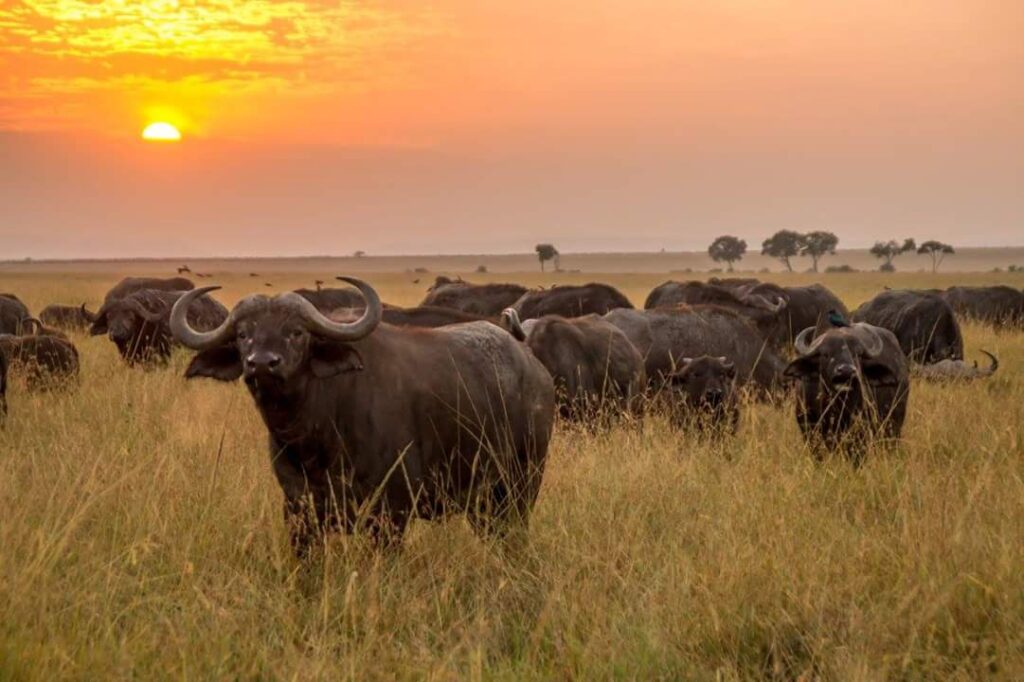
Day 1: Collection from Nairobi – Transfer to the Maasai Mara – Afternoon wildlife excursion
On the first day of the Exclusive 2 days Masai Mara Wildlife Safari , you will be collected from your accommodation in Nairobi shortly after breakfast, around 6:00 AM, to commence the journey to the Mara. The driver will provide you with an overview of the trip and its components. The expedition traverses Narok town and the expansive East African Rift Valley via the Nakuru highway. There will be brief intermissions for refreshments and to appreciate one of the stunning vistas of the Great Rift Valley. The Great Rift Valley is a natural marvel extending from Mozambique in Southern Africa to the Middle East.
While visiting Narok County, you may see numerous Maasai individuals. You can engage with them by tending to their livestock and participating in their daily activities. Arrive to the resort around noon, complete check-in, refresh, and partake in lunch.
Subsequent to leisure, the driver/guide will commence an afternoon game drive. This game drive traverses the reserve to observe fauna such as cheetahs, lions, elephants, buffalo, giraffes, warthogs, waterbucks, reedbucks, and additional species. Visiting between July and October allows for the observation of the remarkable wildebeest migration, among zebras, Thompson’s gazelles, impalas, baboons, hyenas, jackals, bat-eared foxes, warthogs, Grant’s gazelles, crocodiles, elands, and hippos, among others. By the conclusion of the game drive at 6:00 PM, you will have observed all of the Big Five animals, along with numerous more species. Evening meal and accommodation.
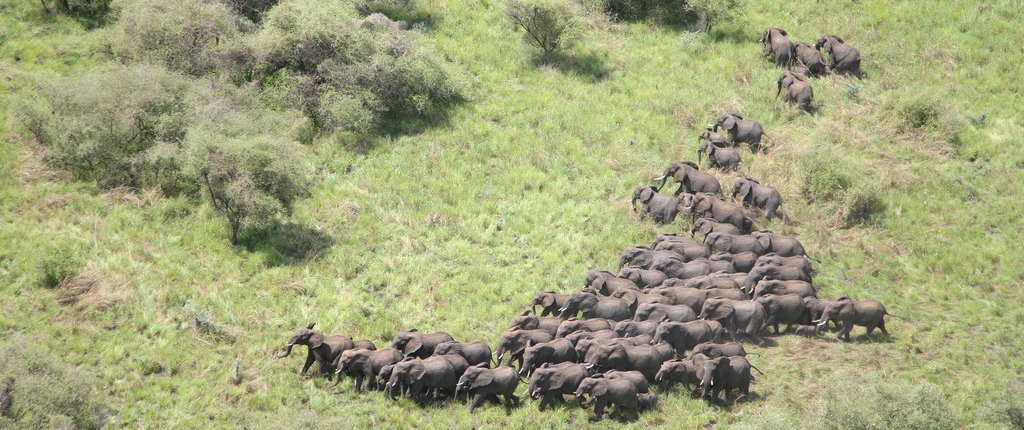
Day 2: Engage with the Maasai community and return to Nairobi.
Following a leisurely breakfast, proceed to visit the Maasai community for an immersive cultural experience, where you will gain insights into their intriguing traditions, enjoy local dances, theatrical performances, and more. Subsequently, commence your return journey to Nairobi, with lunch provided en route. You will be delivered off at either your hotel or the airport for your departure flight home.
Conclusion of the Exclusive 2 days Masai Mara Wildlife Safari
Optional Activities
- Hot air balloon – 500 USD per person
- Maasai village visit – 30 USD per person
- Inclusions
- Park fees
- Accommodation for 2 nights
- Meals on a full board basis
- Pick up and drop off in Nairobi
- Game viewing experience
- Vehicle and experienced guide
- On ground transportation
The Maasai Mara National Reserve in Kenya is a globally acclaimed destination for safari enthusiasts and wildlife aficionados. This reserve is regarded as one of the premier safari locations globally due to its varied species, stunning scenery, and rich cultural experiences. One of the most crucial factors to contemplate while organizing a vacation to the Maasai Mara is the optimal time for travel. The season you select for your vacation might significantly influence your experience, contingent upon your interests.
The optimal time to visit the Masai Mara is contingent upon your desired observations and experiences throughout your journey. The Masai Mara is an extensive and diverse ecosystem, with each season presenting unique opportunity to observe various wildlife and landscapes.
The Great Migration:
The Great Migration is a remarkable natural phenomenon occurring in the Masai Mara annually from July to October. During this period, more than one million wildebeest and zebras migrate from the Serengeti in Tanzania to the Masai Mara in pursuit of fresh pastures. Predators, including lions, cheetahs, and crocodiles, pursue the herds, creating a remarkable natural spectacle.
The optimal period to observe the Great Migration in the Masai Mara is from July to October.
The Green Season:
The rainy season in the Masai Mara occurs from April to June, characterized by verdant scenery and abundant water. The rains rejuvenate the savannah, and the grasslands are adorned with wildflowers. The rivers and waterholes are abundant, attracting diverse fauna such as elephants, buffaloes, and hippos.
The rainy season is an opportune period to see large cats, as they exhibit increased activity at this time. The reduced grass height facilitates the detection of lions and leopards.
The optimal period to visit the Masai Mara for observing verdant landscapes and diverse species is from April to June.
The Shoulder Season:
The arid season in the Masai Mara extends from November to March, characterized by parched, dusty terrains and elevated temperatures. The grasslands are desiccated, and the rivers and waterholes are diminished. This complicates the animals’ search for water, leading them to gather around the remaining water sources.
The arid season
The arid season is an opportune period to observe substantial congregations of elephants, buffaloes, and zebras, as they approach rivers and waterholes for hydration. The dry season is an opportune period to see the big cats, as they exhibit increased activity during the daytime heat.
The optimal period to observe substantial herds of elephants, buffaloes, zebras, and huge felines in the Masai Mara is from November to March.
What to expect in Masai Mara by month
January to February:
This period marks the zenith of the brief arid season, characterized by elevated temperatures and dryness. Wildlife is readily observable due to the shorter grass and the congregation of animals near water sources. Large herds of wildebeest, zebras, and gazelles, alongside predators like as lions, cheetahs, and hyenas, are observable.
March to May:
The prolonged wet season has rendered the park verdant and flourishing. While wildlife remains plentiful, the increased grass height complicates the observation of animals. This period is optimal for avian observation, as numerous migrating species use the park at this time.
June to October:
This is the zenith of the arid season, and the park is more parched and dusty. The grass is reduced in height, and fauna is aggregated near water sources, facilitating the observation of animals. This period coincides with the significant wildebeest migration, during which millions of wildebeest, zebras, and gazelles traverse from the Serengeti in Tanzania to the Masai Mara. This is a remarkable spectacle, featuring predators such as lions, leopards, and crocodiles pursuing the herds.
November to December:
The brief rainy season renders the park more verdant than in the dry season. The wildebeest migration often concludes by this period; however, much wildlife remains to be observed. This period is optimal for avian observation, since numerous resident species are engaged in breeding and nesting activities.
- The optimal time to visit the Masai Mara is contingent upon your desired observations and experiences throughout your journey.
- The optimal period to witness the Great Migration is from July to October.
- The optimal period for observing verdant scenery and diverse fauna is from April to June.
- The optimal period to observe substantial herds of elephants, buffaloes, zebras, and huge felines is from November to March.
- It is essential to remember that weather conditions and animal viewing opportunities are unpredictable and may change at any moment.