 info@gorillatrekkinginafrica.com

Cultural Tours in Tanzania
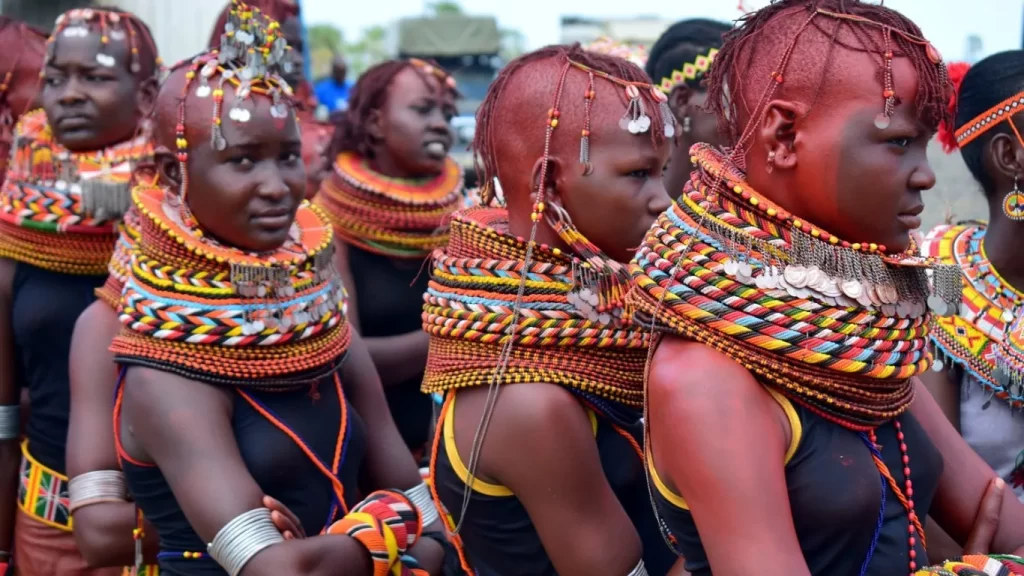
Cultural excursions in Tanzania allow for the exploration of the nation’s unique traditions. Tanzania encompasses more than merely animals and beaches. Tanzania is home to 120 tribes, resulting in a culture as diverse as its nature. Each of the 120 tribes possesses distinct traditional dances, music, rituals, social behaviors, art, and religious beliefs. The ability of various tribes to coexist harmoniously, especially in contrast to the turmoil in some bordering countries, is an achievement frequently overlooked.
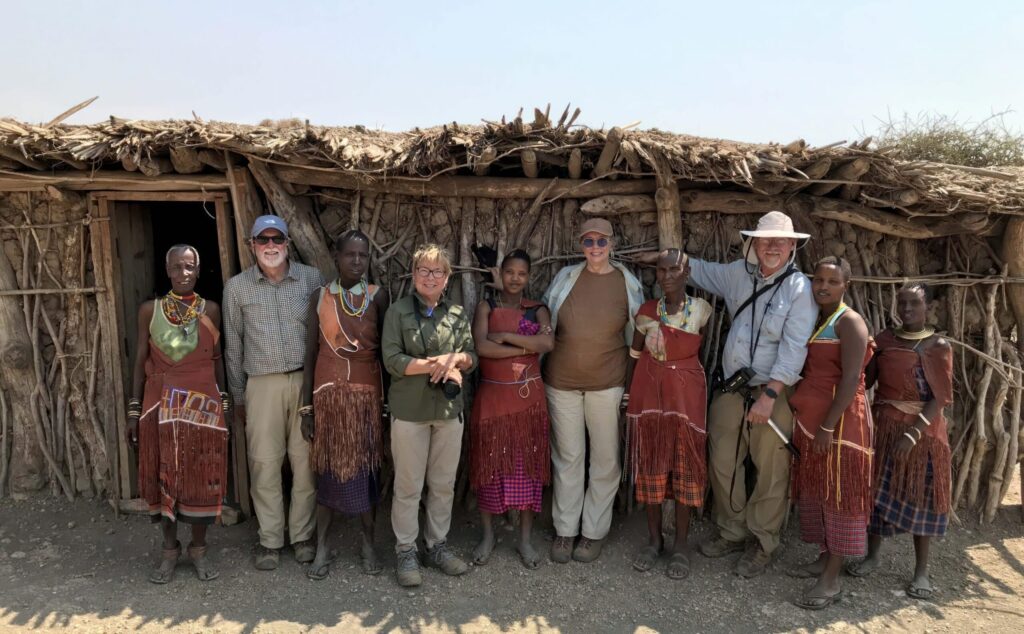
A journey to Tanzania would be incomplete without engaging with the local culture and exploring its remarkable historical monuments. Experiencing the culture of another nation facilitates an understanding of their ideals and distinctions. This presents an opportunity to juxtapose their values with your own and get insights that may alter your perception of them.
Cultural excursions in Tanzania provide exceptional opportunity to engage with some of Africa’s most intriguing indigenous communities and historical landmarks. Cultural trips frequently complement normal game drives, other wildlife encounters, and visits to the picturesque beaches of the Indian Ocean.
A significant advancement was the collaboration between the Tanzanian government and the Netherlands Development Organization (SNV) to establish designated communities where some local tribal tribes can provide an authentic cultural experience. Visiting these villages affords travelers the opportunity to watch and experience the lifestyle of the local populace in a rural environment. Ultimately, the revenues are allocated for village development while simultaneously providing employment opportunities for peasants. The village developments include of constructing schools, establishing water sources, creating health centers, and implementing forestry efforts. We will now commence our discussion on the prominent cultural attractions in Tanzania; however, prior to that, you may choose to review the principal tourist attractions in the country.
Cultural Landmarks in Tanzania
Discover the Swahili Culture: The Swahili culture emerged from intermarriages, the exchange of ideas, and trade with foreigners (Arabs, Greeks, Persians, Romans, and Chinese) approximately two thousand years ago, initiating cultural safaris in Tanzania. The Swahili culture originated in the islands and coastal towns in the Indian Ocean, extending to Kenya. Eventually, the civilization disseminated to the interior regions of East Africa. Swahili culture and cuisine draw inspiration from Persian, Greek, Roman, Arab, and Chinese influences. Kiswahili has evolved from a commerce language to a national language that unifies the populace of Tanzania. To immerse oneself in genuine Swahili culture, one must visit Zanzibar Island. You will promptly observe the outcomes of intermarriages between the indigenous Bantu population and foreign arrivals at the shore. The primary characteristics of the original Swahili-speaking population include their lighter skin tones, entrepreneurial focus, and the Swahili language as their native tongue.
Cultural sites in Tanzania: Olduvai Gorge.
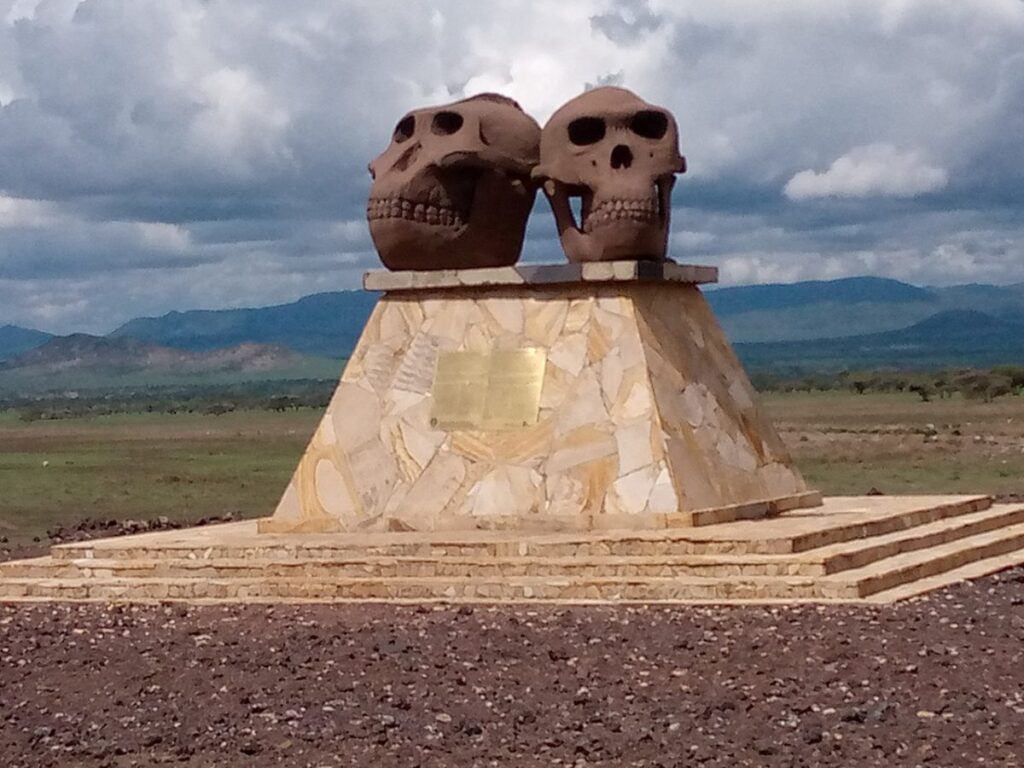
The Olduvai Gorge is an archaeological site where Dr. Louis Leakey uncovered the skull of the “Nutcracker Man,” often referred to as Zinjanthropus, in 1959. This specific fossil and numerous others originate from approximately 2 million years ago. Due to these findings, Olduvai Gorge is currently recognized as the cradle of humanity. The handyman, or “Homo habilis,” and Zinjanthropus are displayed in a tiny museum at the site. Olduvai Gorge is located along the route to Serengeti National Park and Ngorongoro Crater.
Cultural tourism in Tanzania: An exploration of the Hadzabe Tribe.
Similar to the Khoisan in Southern Africa, the Hadzabe Bushmen communicate using a click-based language. They continue to reside as hunters and gatherers in the caves of Lake Eyasi. The Hadzabe migrated to Tanzania approximately 10,000 years ago; however, their population has significantly decreased in recent decades, with only around 1,000 individuals remaining. The population loss is attributed to climatic change, competition for resources with more dominant tribes like as the adjacent Datoga, and commercial hunting, which has resulted in insufficient food availability. The tribe’s isolation and primitive lifestyle have safeguarded them from complete extinction.
Cultural excursions in Tanzania: Engaging with the Hadzabe will reveal their distinctive lifestyle and cultural practices. What knowledge will you acquire from visiting the Hadzabe? You acquire knowledge on the gathering of honey, fruits, and tubers in the wilderness. You will also acquire the skills to craft bows and poisoned arrows. Additionally, there are traditional dance performances and storytelling by the elders. The Hadzabe will instruct you how smoking meat, igniting fire with sticks, constructing houses, and tracking wild animals. You might get the opportunity to participate in a wedding ceremony or explore one of their winter caves.
Cultural excursions in Kilwa, Tanzania
This is a historically significant island in the coastal region. Kilwa was the preeminent and influential city along the East African coast from the 12th to the 15th century. Kilwa, as a trading hub in the Indian Ocean, connected Asia with the interior of East Africa. Arabs and Persians established settlements in Kilwa as early as the 9th century. Their enduring marks have designated the island as a UNESCO World Heritage Site. It is an exemplary location to study Swahili culture and the remarkable architecture that remains.
Mto wa Mbu:
Mto wa Mbu is a prominent cultural place in Tanzania. It was constructed at the base of the East African Rift Valley by the Government of Tanzania in collaboration with SNV. The location is in proximity to Tanzania’s cultural heritage sites, including Lake Manyara National Park, the Serengeti, and the Ngorongoro Conservation Area. Mto wa Mbu unites numerous tribes of Tanzania to exhibit their own cultural traditions. The location has expanded significantly, now resembling a small town. No other location unites tribes from nearly every region of the country as Mto wa Mbu does.
The primary activities at the site include of ascending Balala Hill, touring surrounding farms, engaging in a village walk, and examining local development initiatives. For art enthusiasts or those seeking souvenirs, this is an indispensable destination. By the conclusion of your stay, you will have encountered the Chagga, Sandawe, Rangi, and Mbugwe peoples, among others.
Cultural activities in Tanzania: Visiting Ng’iresi Village.
This settlement is located on the slopes of Mount Meru, 7 kilometers from the town of Arusha. The Waarusha tribe inhabits the village. Although connected to the Masai, the Waarusha have adopted agriculture as their primary economic pursuit. During their stay, guests engage with the distinctive culture by listening to narratives from the elders, touring individual residences, exploring farms, and assisting in the preparation of traditional cuisine. A guided tour of the settlement may last an entire day, concluding at the mountain’s foothills. Additional intriguing activities with the Waarusha tribe encompass ascending the Kivesi and Lekimana hills.
Mulala Village:
Mulala village, located 30 kilometers from Arusha, remains within the vicinity of the town. This community is situated on the southern slopes of Mountain Meru and is a popular location for travelers seeking to immerse themselves in Tanzanian culture. Cultural excursions in Mulala are arranged by the Agape Women’s Group. The female guides will escort you through the hamlet to explore the lifestyle of the Waarusha tribe. Anticipate a visit to local farms where you will acquire skills in cheese and bread production. The excursion can be prolonged to the Marisha River to observe several medicinal plants utilized for treating common disorders. One can also visit Ziwa la Mzungu to observe a substantial colony of fruit bats. Lemeka Hill offers breathtaking vistas of Mount Meru and Kilimanjaro, making it an ideal location for photography.
The Masai came from Kenya to Tanzania circa the 15th century. Upon entering the nation, they engaged in conflict with neighboring tribes to obtain additional territory for their livestock. The Masai distinguish themselves from other tribes in Tanzania due to their pride, aggressiveness, and amicable disposition. They are undoubtedly the most frequented indigenous group in Africa.
The Masai assert that all cattle are their rightful property, irrespective of their global location. Consequently, they would orchestrate incursions to retrieve their livestock from rival tribes, yielding catastrophic outcomes. When the situation reached its limit, the government terminated their incursions and assertions. They have been let to reside near the Ngorongoro Conservation Area, so providing tourists with the opportunity to visit them.
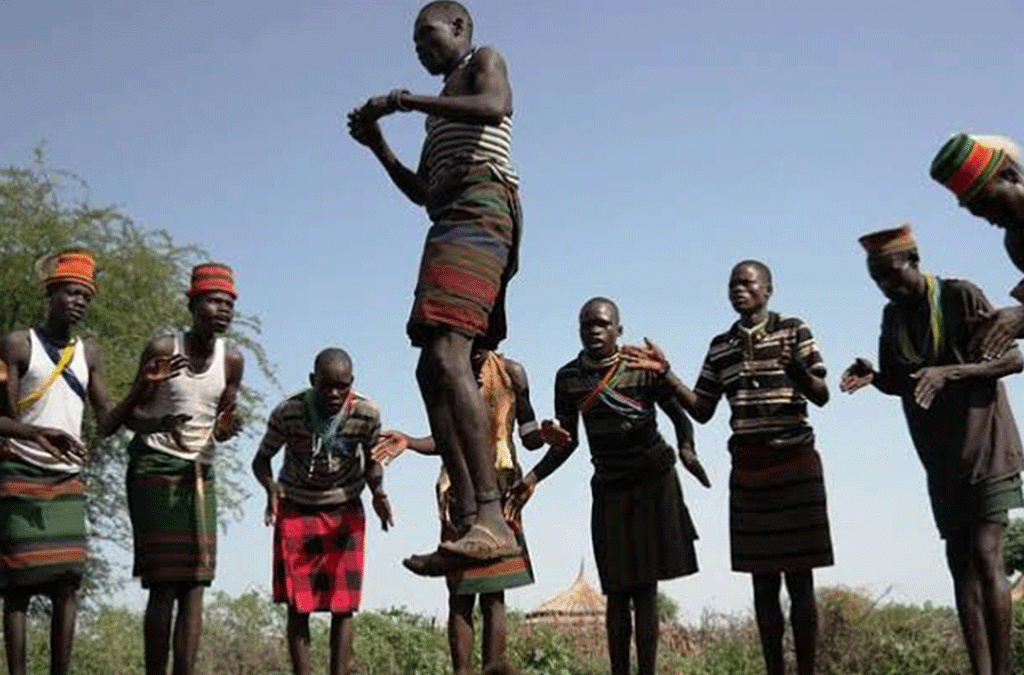
During a standard visit to a Masai Community, travelers can explore their bomas (homesteads) or manyattas and gain insights from the elders regarding their cultural history. A visit to Tanzania is incomplete without witnessing the Maasai warriors’ leaps, dances, and drumming during a cultural tour. To experience optimal cultural interactions, one should visit the Seneto Maasai Boma and Irkeepus in the Ngorongoro region.
Engage with the Cultural Heritage of the Datoga Tribe:
The Datoga are a Nilotic ethnic group residing near the Maasai in northern Tanzania. In conjunction with the Hadzabe, they represent one of the most primitive tribes in the nation. Similar to the Masai, they depend on cattle husbandry but have recently adopted subsistence agriculture. The Datoga’s dress code is very fascinating. They don bracelets and collars crafted from brass or beads. Another remarkable characteristic of the Datoga is the tattoos encircling their eyes. The Datoga culture promotes hostility, resulting in a history of conflict with neighboring groups like as the Iraqw and Hadzabe.
Notwithstanding their image as warriors, the Datoga exhibit amicability towards travelers. Upon visiting them, they can impart extensive knowledge regarding their life experiences and cultural views. What would you observe upon visiting the Datoga? You will acquire knowledge about their lifestyle, including the construction of cattle fences, the assembly of homes, the creation of traditional garments, the fabrication of weapons, and the milking of cows. You will also acquire knowledge on the preparation of traditional beer, culinary dishes, and herbal remedies for common ailments.
Stone Town and Zanzibar Island:
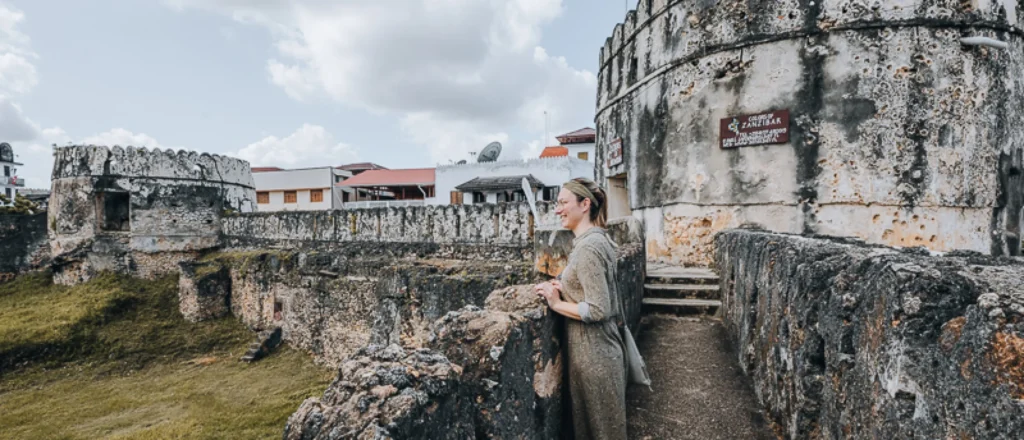
A trip to Tanzania is deficient without visiting the premier sites of Zanzibar. Zanzibar, renowned for its spices, fruits, flowers, and fragrances, is one of the most frequented cultural tourism destinations in Tanzania along the East African coast. Stone Town, renowned for its historical architecture and Swahili heritage, is a principal attraction. Prior to the arrival of Europeans in East Africa, Arabs, Egyptians, Chinese, Assyrians, Sumerians, and Phoenicians had previously navigated to Zanzibar. The Island subsequently hosted notable European explorers like as Speke, Grant, Kraft, Livingstone, Burton, and Rebman. The influx of immigrants to the East African Coast resulted in intermarriages, giving rise to the Swahili culture. The foreign visitors in Zanzibar bequeathed remarkable architecture, which is why the historic Stone Town is today designated as a UNESCO World Heritage Site.
The Kondoa Rock Art:
Located in Kolo, approximately 260 kilometers from Arusha, this UNESCO World Heritage site features ancient rock drawings. The paintings depict humans and wildlife from Tanzania, including giraffes, elands, and elephants. The Kondoa Rock Paintings are approximately 10,000 years old and are remarkably well maintained. The majority of the paintings are predominantly dark red and are ascribed to the local bushmen, recognized as hunters and gatherers. The bushmen employed clicking noises for communication and are the forebears of the Sandawe tribe, who presently inhabit the region. In addition to the Kondoa Rock Paintings, there exist more contemporary artworks by the Warangi people, estimated to be approximately 500 years old. If you are exploring Tarangire, Mount Kilimanjaro, or the national parks on the northern circuit, this destination warrants your time.
Engage with the Iraqw Tribe:
The Iraqw are a tall tribe that speaks Cushitic and moved to the country from Mesopotamia. They journeyed through Palestine, Egypt, Ethiopia, and Kenya before arriving in Tanzania for cultural excursions. They had to adjust as they encountered numerous hurdles throughout the journey. In Tanzania, they faced hostility from the Masai and the Datoga before to establishing themselves in regions surrounding Arusha/Manyara. The Iraqw are a reclusive people due to their distinct culture and the necessity of interacting with the indigenous tribes in the region. They devote the most of their time to their domesticated animals. Engaging with the Iraqw will reveal their cultural heritage and lifestyle. Although altered by modernization and Christianity, you will remain captivated by all that you observe.
Travel to Bagamoyo:
Historically a significant trading hub on the East African coast, Bagamoyo possesses a somber history. It was formerly a significant slave harbor. The majority of slaves originating from the interior would initially gather in Bagamoyo, Tanzania, before proceeding to Asia and other regions of the world. The German colonialists established it as their East African capital from 1886 to 1891. Bagamoyo is an exceptional location for immersing oneself in Swahili culture, having served as a gateway for foreign traders, explorers, Arabs, and missionaries. Key activities in Bagamoyo include exploring the historical slave constructions, the Mission Museum, the inaugural Roman Catholic church, Livingstone Memorial Church, the German colonial headquarters, and some of the finest beaches along the East African coast.
Engage with the Sukuma Tribe:
The Sukuma are Bantu-speaking individuals who originated from Uganda and established themselves in the northern region of the country. They are both agriculturists and livestock herders. The Sukuma, as the predominant ethnic group in the nation, are present in nearly all regions of Tanzania’s cultural heritage tours. Despite the Sukuma’s adoption of Western culture and attire, one can still encounter a remarkable cultural experience in one of their villages. The village elders continue to uphold their ancient beliefs and cultural practices. This is why traditional markings are still observable on their bodies. The conventional dance competitions conducted from May to September draw tourists visiting the country for safari.
During a customary visit to a rural homestead, one may engage in gardening, herding cattle to water or pasture, retrieving water from marshes, and preparing traditional cuisine. Ugali serves as the primary sustenance for the Sukuma and may be accompanied by vegetables or chicken/beef at special occasions. Fermented milk and locally produced beer are also popular beverages among the Sukuma.
Explore Museums:
Numerous museums merit consideration during a visit to Tanzania, although the Bujora Sukuma Museum and the National Museum in Dar es Salaam are particularly noteworthy. The Bujora Sukuma Museum is a cultural site in Tanzania, established in 1954. It is situated 18 kilometers from Mwanza city, with the majority of the exhibits representing the Sukuma tribe. The National Museum in Dar es Salaam is particularly captivating as it showcases the beauty of Tanzanian people and culture. This location also contains some fossils unearthed by Leakey at Olduvai Gorge. For anybody seeking to understand the history of the slave trade along the East African coast, this is a destination you must see. Upon concluding your visit to the National Museum in Dar es Salaam, you will have observed vintage automobiles, musical instruments, ornaments, and exquisite artworks.