 info@gorillatrekkinginafrica.com
 +256 787505601
Best 6 Things To Do In Tarangire National Park
The best 6 Things To Do In Tarangire National Park are game drives, environmental walks, birding, cultural excursions, and hot air balloon safaris.
Tarangire National Park is located in Tanzania, approximately 120 kilometers southwest of Arusha City, and it boasts the highest density of African elephants per square kilometer compared to any other national park. The Tarangire River, which traverses the park’s center and serves as a sanctuary for wildlife, especially elephants, during the arid season, inspired the park’s name.
The subsequent Best 6 Things To Do In Tarangire National Park
Game Drives
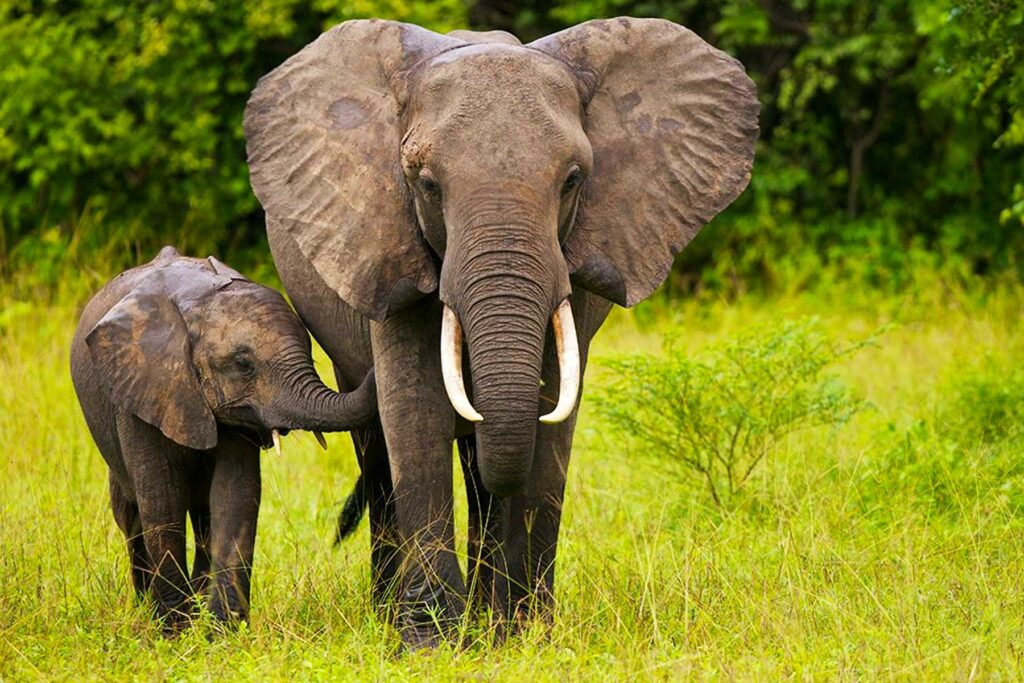
Game drives constitute one of the six activities available at Tarangire National Park. Investigate the animal observation activities to partake in while visiting Tarangire National Park. Both adults and children may participate in a game drive, during which one can anticipate observing wildebeests, leopards, cheetahs, lions, wild dogs, Cape buffalos, giraffes, baboons, monkeys, elephants, and numerous other species as they traverse in search of water. For instance, elephants are typically sighted in the morning hours while grazing.
Game drives at Tarangire National Park can be conducted in both the morning and evening with the assistance of expert guides; however, the optimal time for morning game drives is when the sun is shining. You will traverse the savannah plains beginning in the morning and proceed throughout the day as visitors observe various wildlife species and navigate the national park. The optimal period for game drives is the dry season, as animals congregate near water sources, facilitating easier sightings. One would not wish to forgo a wildlife drive at Tarangire National Park.
Nature Walks
Nature walks rank among the most rewarding activities in Tarangire National Park. In Tarangire National Park, nature walks are available in the morning or evening, allowing visitors to observe various animals and bird species, appreciate the melodious sounds of wildlife, and enjoy the refreshing air and cool breeze, promoting relaxation.
Nature hikes in the park provide an opportunity for closer encounters with animals than game drives. You will encounter many animal and bird species. You will participate in a guided nature walk through the park, appreciating the natural environment and experiencing close encounters with wildlife. You will participate in birdwatching during the guided nature walk.
When embarking on the nature walk, do not forget to bring closed-toed shoes, a backpack, snacks, drinking water, bug repellant, sunscreen, a walking stick, and a portable first-aid kit.
Hot Air Balloons Safari Rides
What constitutes an African safari without A hot air balloon safari is an adventure that one must have when visiting Tarangire National Park. The hot air balloon safari ranks among the top six activities in Tarangire National Park. Hot air ballooning is one of the activities available to visitors on their aerial safari. Engage in a slow-motion aerial safari and appreciate vibrant animals from a novel vantage point. You will experience an exceptional vantage point to observe animals and birds, along with a distinctive perspective of the flora and fauna in this sanctuary, while creating indelible memories with your loved ones.
This safari is an experience that everyone should have in their lifetime, as it is appropriate for both children and adults. It is also highly appropriate for honeymoon couples seeking to forge lasting memories, and a visit to Tarangire National Park should be included on your itinerary.
Cultural Visits
Appreciating Africa is alone achievable through its culture, and at Tarangire National Park, cultural interactions are among the top six activities. Tarangire National Park is inhabited by the renowned Masai tribe. You will have a cultural visit to the Masai settlements. Edutainment will be provided, and during your stay at the homesteads, you will gain insight into the heritage, culture, and lifestyle of the Maasai people.
Visitors participating in cultural excursions often engage in activities such as touring Masai homesteads, partaking in traditional dance performances with Masai warriors, observing local art and crafts like beaded necklaces, earrings, and anklets, as well as visiting the local market.
The splendid day at the Masai farmhouse will conclude with a performance of traditional dance, featuring both natives and visitors. Donations are permitted at the homesteads as a means of promoting the lifestyle of the indigenous people.
Birdwatching
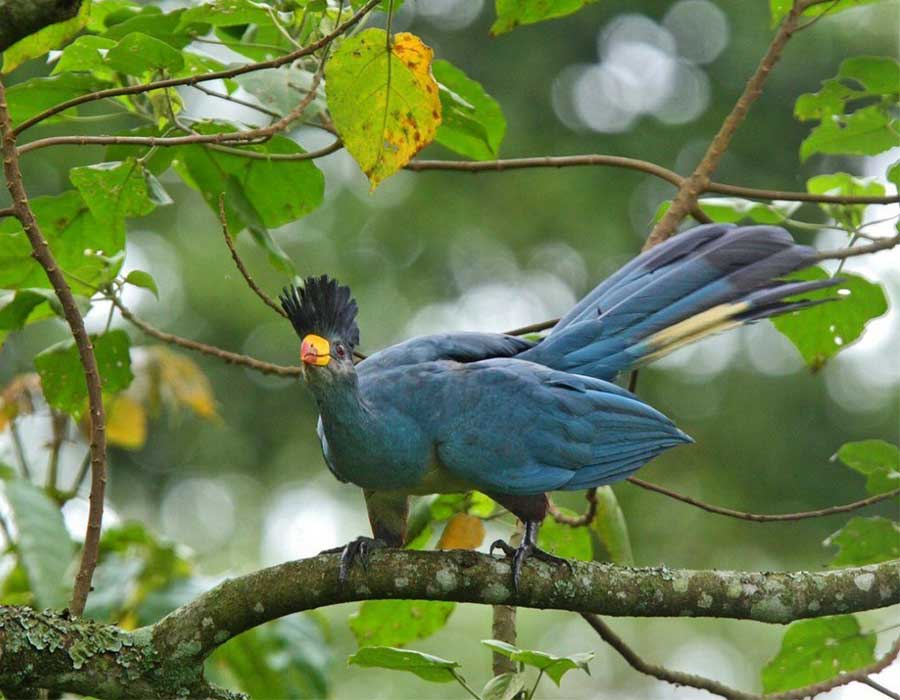
Birdwatching ranks among the top six activities in Tarangire National Park. This is a must-visit location for all birdwatchers. Tarangire National Park is recognized as an exceptional birdwatching destination and one of the premier birding locations in Tanzania.
It comprises over 500 avian species, including ostriches, hornbills, eagles, and vultures, among others.
Various avian species are observable while tourists partake in animal observation and exploration of the Savannah grasslands in Tarangire National Park. Birdwatching in the National Park features both migratory and indigenous bird species.
The wet season, spanning from November to April, is optimal for avian observation in the park. As the majority of avian species are currently in their mating season, their migratory behavior is diminished. In Tarangire, migratory species from Europe and North Africa deposit their eggs during the rainy season and create a temporary habitat.
These birds are observable during nature walks as tourists traverse with cameras to capture clear images and during game drives. It is essential to utilize binoculars when birdwatching to obtain a clear picture of distant birds.
How to get to Tarangire National Park
Inquiring about access to Tarangire National Park, this park can be reached via road and air transportation as detailed below;
Via Road
To access Tarangire National Park by vehicle, utilize the Great North vehicle, traveling for around one hour on a route toward Arusha West that connects Arusha to Dodoma, the capital of the Republic of Tanzania. The route from Arusha to Tarangire National Park is well-maintained, facilitating a smooth and comfortable journey.
By Air
Air transport is one of the most accessible means to reach Tarangire National Park in Tanzania. Tourists that value every moment of their time are predominantly those who utilize air transportation to reach the park. Accessing Tarangire mostly from Arusha requires 8 minutes for a distance of 115 miles. Kilimanjaro International Airport is the primary airport utilized for flights to Tarangire National Park.
Attractions In Tarangire National Park
Wildlife Species
Similar to other regions in northern Tanzania known for animal observation, Tarangire National Park is distinguished for its exceptional wildlife viewing prospects. This park serves as a year-round venue for observing a diverse array of wildlife species.
The diverse wildlife species observable during wildlife viewing activities in Tarangire National Park include lions, leopards, cheetahs, elephants, rhinoceroses, giraffes, and buffaloes, among others.
The optimal period to observe these wildlife species is from June to October, coinciding with the dry season. During this time, the animals are frequently seen seeking water, as the sole water source is the Tarangire River.
Tarangire River
The Tarangire River is an incessant watercourse across the central Manyara Region in northern Tanzania, situated within the eastern segment of the East African Rift Valley. The river is a notable attraction for tourists during their safaris in Tarangire National Park, characterized as a perennial water source where many wildlife species congregate to drink, particularly during the dry season from June to October.
Tarangire contributes to the ecosystem within the park and is encircled by trees and vegetation that serve as habitat for the wildlife species in the national park.
Bird species
Tarangire National Park is mostly recognized as an exceptional birdwatching locale. It comprises over 500 avian species, including ostriches, hornbills, eagles, and vultures, among others. Diverse avian species are observable while tourists partake in animal observation and exploration of the Savannah grasslands in Tarangire National Park. Birdwatching at the National Park features both migrant and native avian species.
The period from November to April is optimal for avian observation in the park. As the majority of avian species are currently in their mating season, they exhibit reduced migratory behavior. In Tarangire, migratory species from Europe and North Africa deposit their eggs during the rainy season and create a temporary habitat. Tourists carry cameras to capture clear images of birds during game drives and nature hikes.
Accommodations in Tarangire National Park
If you plan to visit Tarangire National Park for several days, you need not worry about accommodation. There is a diverse array of lodging options available, including luxury, mid-range, and budget accommodations, allowing you to select according to your preferences and desires.
These accommodations comprise hotels and lodges such as Tarangire Safari Lounge, Nimali Tarangire, Suntuary Swala Camp, and Sangaiwe Tented Lodge, among others.
Lodges are typically more affordable during the wet season, which signifies the low season, presenting an opportunity for budget-conscious travelers as most lodging fees are reduced.
Tarangire National Park Entrance Fees
2025-2026, adults over the age of 16 will incur an admission fee of 50 USD for international residents, 25 USD for expatriates, and 10,000 Tsh for East African nationals at Tarangire National Park. All listed rates represent daily charges per individual. Children below five years of age are exempt from entrance costs at Tarangire National Park. All these fees are reasonable and are assessed based on the services rendered in the park.
Best Time To Visit Tarangire National Park
Tarangire National Park has two distinct seasons and is accessible year-round. The dry season is optimal for wildlife observation since animals congregate near water sources, foliage is less dense, and the terrain is arid and dusty, facilitating game viewing, nature walks, and hiking. The rainy season is the optimal period for birdwatching. The park attracts migratory birds from Europe and is conducive for budget travelers, as lodging costs are generally lower than during the dry season.
The optimal months to visit Tarangire National Park are from June to October. During this month, the park is experiencing minimal rainfall and sunlight.
Frequently Asked Questions
Is Tarangire National Park a worthwhile destination?
Tarangire National Park is undoubtedly worth visiting for its rich wildlife.
What are some notable facts regarding Tarangire National Park?
Tarangire National Park hosts a greater diversity of breeding bird species, while the Tarangire River traverses the park, serving as the sole water source for thousands of migrating animals throughout the dry season.
Are lions present in Tarangire?
Tarangire National area is home to more than 250 unique lions distributed throughout the area. It is exceedingly uncommon for people to fail to observe lions in the park, as they are a prevalent sight.
What are the six primary activities to engage in at Tarangire National Park?
Consult the preceding context.
What is the meaning of the term Tarangire?
Tarangire, meaning ‘river of warthogs,’ is renowned for its elephants, avian diversity, and abundance of baobab trees. It represents the epitome of unspoiled Africa.