 info@gorillatrekkinginafrica.com
 +256 787505601
Baobab Fruits and Powder
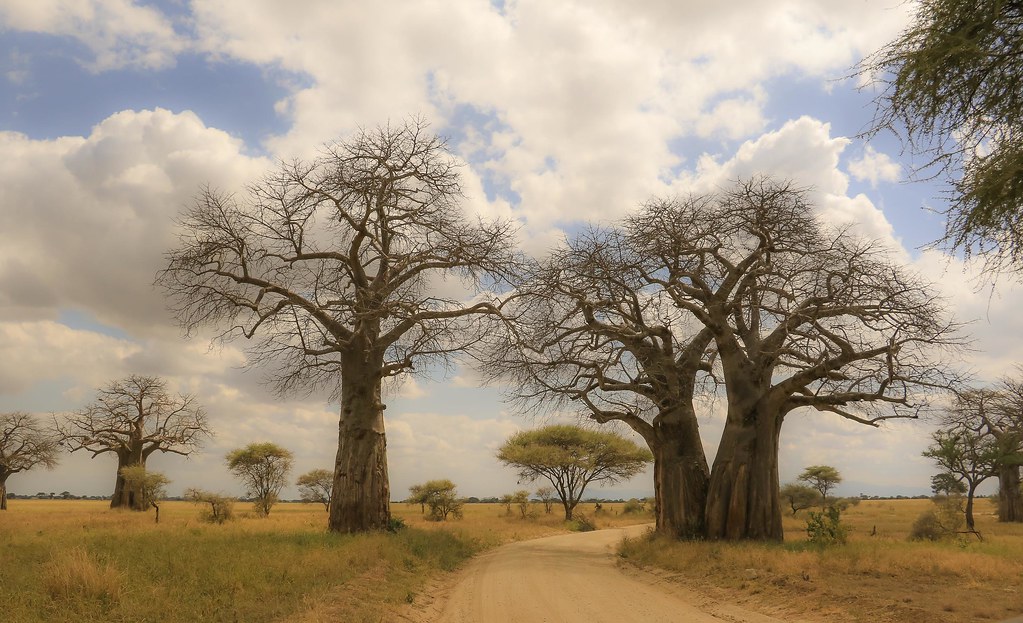
Baobab trees, commonly known as the “Tree of Life,” are prevalent in several regions of Tanzania, especially in the northern safari circuit, including Tarangire, Manyara, Makuyuni, and Lake Natron. The baobab fruit, derived from the Adansonia digitata species, is named in honor of the French naturalist Michael Adanson (1727–1806). These trees are recognized for their immense size and distinctive look, frequently resembling inverted trees with root-like branches. This article elucidates the advantages of baobab fruits for human consumption and the animal ecology.
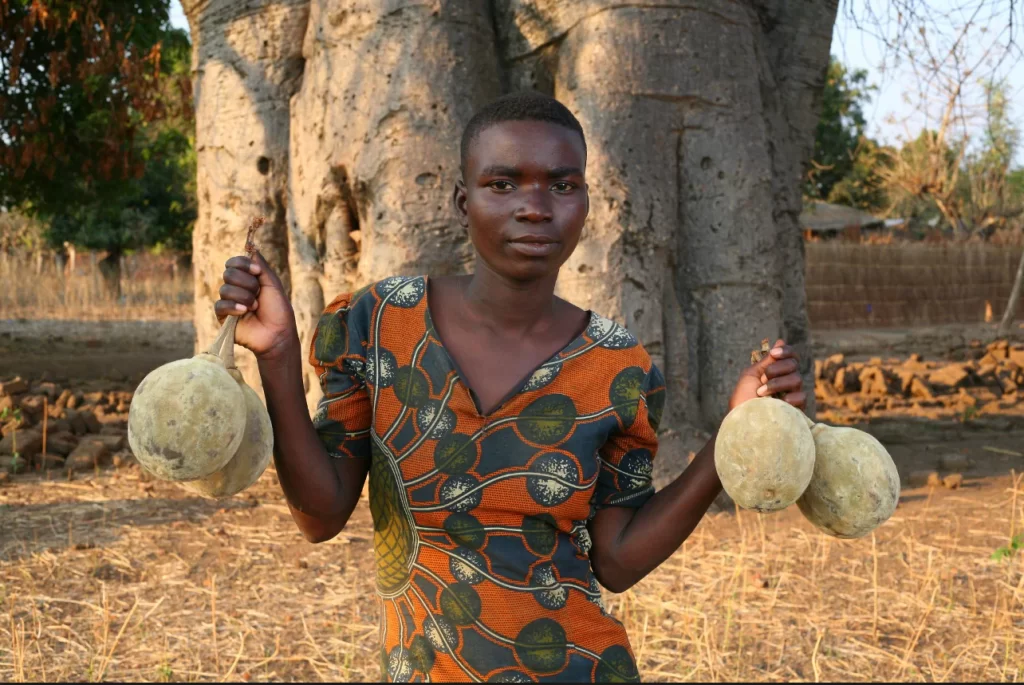
Uses and Advantages of Baobab Trees
Baobab trees possess various applications, leading to their designation as the “Tree of Life.” They offer refuge to diverse fauna and bees. Historically, African farmers occasionally constructed temporary dwellings within the hollow trunks of baobab trees situated on their plantations. The tree’s trunk is utilized for producing cloth and rope, whilst monkeys prefer the baobab fruit, which is rich in critical vitamins and minerals advantageous to human health.
The Historical Importance of Baobab Fruits in Africa
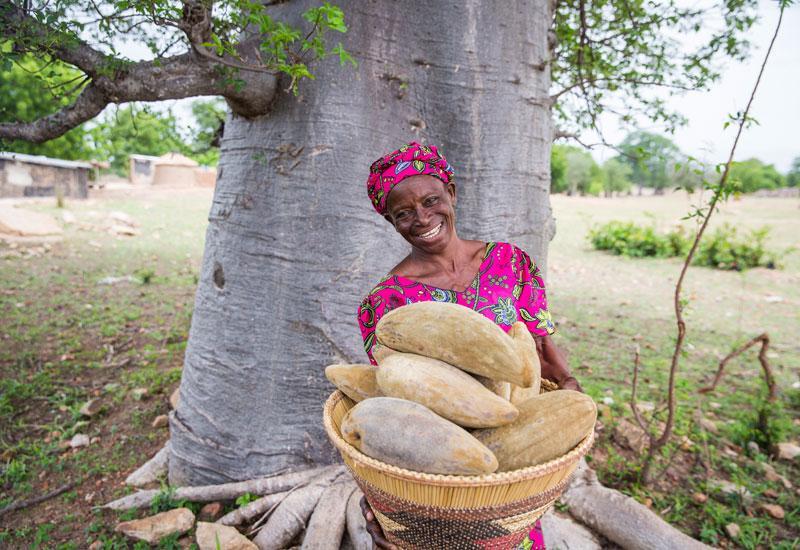
African cultures have employed baobab fruits for generations to treat fever and alleviate diarrhea. In certain locations, pregnant women utilized it as a vitamin source. In the coastal regions of Tanzania, Kenya, and other East African nations, individuals frequently combine baobab fruits with sugar and food coloring to create a favored snack. During a visit to East Africa, specifically Tanzania, packaged baobab fruits are readily available.
The Relationship Between Baobab Trees and Elephants
Baobab trees can retain up to 280 liters of water, enabling their survival throughout Africa’s prolonged drought periods. These trees flourish in arid and high-temperature environments, serving as a crucial water supply for elephants, which gnaw on the juvenile trees to extract the moisture within. This behavior elucidates why several baobab trunks in parks like as Manyara and Tarangire are not uniformly round, in contrast to those in areas devoid of elephants, like Madagascar. Elephants frequently seek refuge in the shade of these trees during the warmest hours of the day, underscoring a profound relationship between these two titans of the savannah.
Advantages of Baobab Fruits
The baobab fruit contains a white, powdered pulp abundant in Vitamin C, vital for energy, immunological function, and skin health. The fruit can be prepared as juice or transformed into a curry, providing varied methods to appreciate its advantages.
Baobab Camp – Sanctuary of the Baobab Trees
At Baobab Camp, guests may savor our renowned in-house baobab juice, crafted from fresh baobab fruits cultivated on-site. Our camp, encircled by several baobab trees, serves as a habitat for monkeys, birds, bees, and insects, while providing shade for grazing elephants. Our crew and chef are pleased to present diverse techniques for utilizing baobab fruit, enriching your experience with both insight and sustenance.
We encourage you to visit Baobab Camp and personally feel the remarkable advantages of the Baobab tree. Experience our Tanzanian warmth and the scenic splendor of our environment while enhancing your immunity with our fresh baobab juice. Reserve your experience now