 info@gorillatrekkinginafrica.com
 +256 787505601
Arusha City
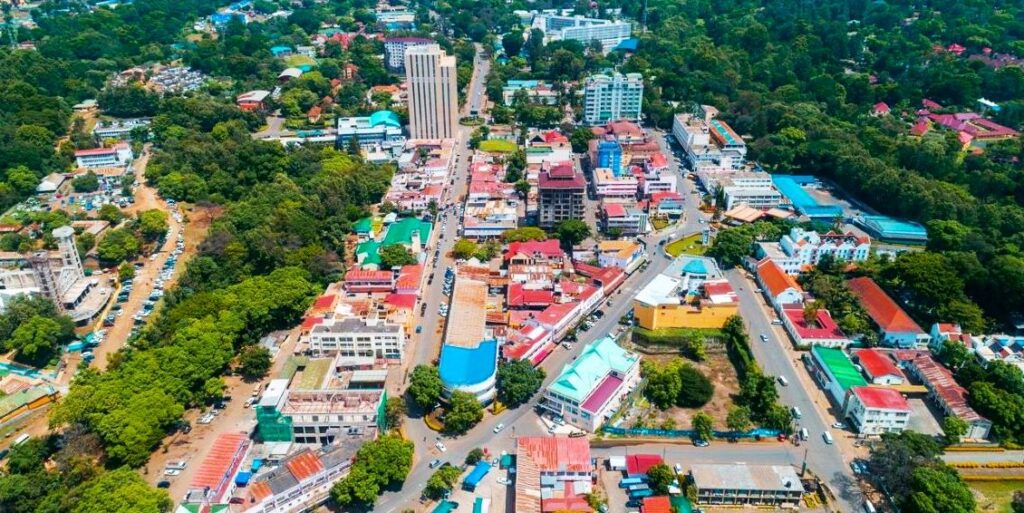
Arusha City, colloquially referred to as “A Town” by residents, is situated in the northeastern region of Tanzania. The city is situated at the base of Mount Meru on the eastern periphery of the Great Rift Valley; Arusha’s position contributes to its mild climate. The City is located near the Arusha region at an elevation of 4,600 feet and has a population of approximately 4,000 individuals from diverse ethnicities, including indigenous Africans, Arab-Tanzanians, and Indian-Tanzanians. The City serves as the safari capital of Tanzania, acting as a pivotal starting place for visitors intending to explore various locations throughout the country. Arusha city is strategically located for access to Tanzania’s national parks, including Serengeti National Park, Ngorongoro Conservation Area, Lake Manyara National Park, Tarangire National Park, Mount Kilimanjaro National Park, Olduvai Gorge, and Arusha National Park, among others.
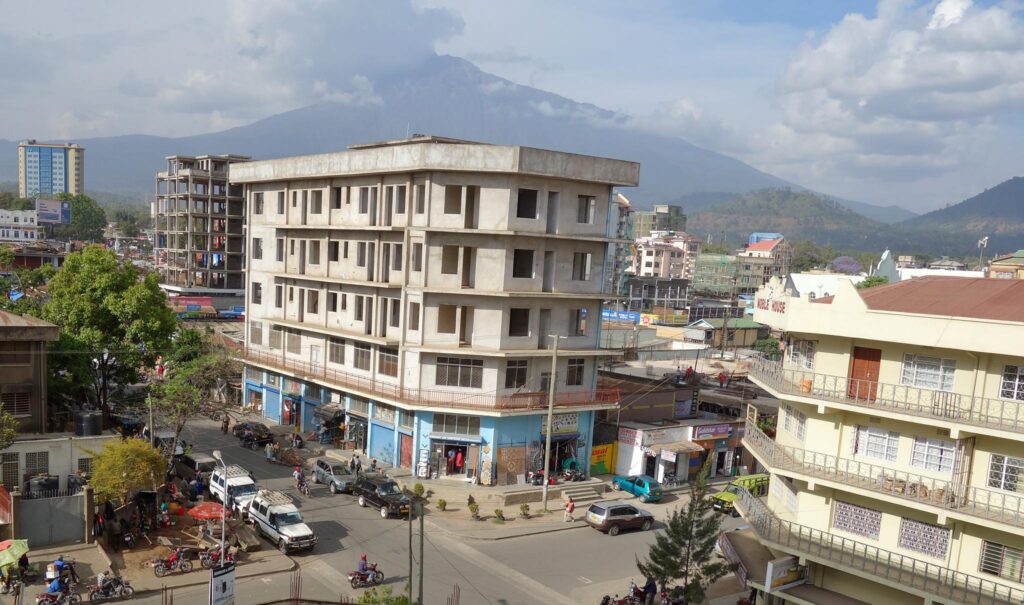
The establishment of Arusha commenced shortly after the Germans seized control of old Tanganyika in 1896. The Germans encountered the Arusha Maasai, an agro-pastoral community residing in the southern region of Mount Kilimanjaro, mostly engaged in the trade of grains, honey, and beer. The region facilitated the establishment of administrative structures by the Germans, including the construction of a fort and the stationing of soldiers. In the 1920s, civilian governance was established, with the British supplanting the Germans and assuming control of their plantations. Subsequently, Arusha City, which was then a town, experienced fast development following the relocation of regional administration to Arusha by the British. By 1940, the population of this city had risen to 2,000 individuals. Arusha was formally designated as a city in 2006 by the Tanzanian government.
The City accommodates many international diplomatic missions and the headquarters of organizations, including the East African Community, an intergovernmental entity comprising six nations in the African Great Lakes region. Arusha City hosted the United Nations International Criminal Tribunal for Rwanda from 1994 to 2015. It served as the venue for the signing of the Arusha Declaration. Arusha City is also the location of the African Court on Human and Peoples’ Rights. The aforementioned events establish Arusha City as a significant international diplomatic center in Africa.
Visitors consider the City a waypoint for trekking expeditions to the snow-capped Mount Kilimanjaro; yet, Arusha has various attractions that warrant attention upon arrival. Kilimanjaro International Airport, located in Arusha, offers daily flights to and from Arusha City. The city possesses a domestic airport known as Arusha Municipal Airport, situated on the periphery of Arusha City. This airport facilitates the transportation of visitors and travelers throughout Tanzania and regions including the island of Zanzibar. The City serves as the primary hub for transport inside the country, as it possesses roadways that link to many tourist destinations.
Attractions to explore in Arusha City
Mount Meru serves as a place of origin, as Arusha City is situated at the base of this prominent peak. This inactive volcano offers a sweeping vista over Arusha City. Numerous people utilize it as a preparatory zone prior to their ascent of the snow-capped Kilimanjaro. Ascending Mount Meru typically requires 3 to 4 days, and while guides are not mandatory, the presence of armed rangers is obligatory.
The National History Museum, situated in Arusha, was inaugurated in 1987. The museum houses original artifacts related to human evolution and entomology. The Arusha Declaration Museum, situated on Kaloleni Road, is another museum in Arusha. The Arusha Declaration Museum displays materials pertaining to Tanzania’s colonial history, the Arusha Declaration, and the struggle for independence. The national history museum is situated within the historic German colonial fortified stronghold known as Boma. The colonial era in Tanzania offers numerous aspects to appreciate, as well as significant evolutionary developments inside the country.
The Arusha Central Market is a popular destination for travelers visiting Arusha. Arusha Central Market is a bustling trading hub, referred to as “soko kuu,” meaning “big market.” The Arusha Central Market features numerous shops that sell Maasai fabrics, making it an ideal location for acquiring African gifts. The Maasai Central Market predominantly showcases a diverse array of commodities together with the heritage and culture of the Maasai population in Tanzania. This city features the Arusha Farmer’s Market, renowned for its meat goods.
The City is situated in proximity to some of the largest national parks and game reserves in East Africa, including the Ngorongoro Conservation Area, home to the Ngorongoro Crater, the largest inactive volcanic caldera. Additionally, it is near Serengeti National Park in the Simiyu region, renowned for its abundant Nile crocodiles and white-bearded wildebeests, as well as Kilimanjaro National Park, where one can hike Mount Kilimanjaro. Other nearby parks include Lake Manyara National Park and Tarangire National Park, where visitors can observe a remarkable congregation of wildlife during the dry season. The national park is accessible via the paved road located south of Arusha City.
Accommodation in Arusha
The City boasts a plethora of hotels and restaurants that facilitate seamless movement for guests, hence advancing the hospitality business in Tanzania. Arusha serves as a central hub for numerous tourism destinations. A multitude of travelers often prepare and recuperate in Arusha City, resulting in a substantial number of hotels, motels, and eateries. Arusha has a selection of luxury, mid-range, and economy hotels, providing travelers with several options to suit their preferences. We possess such locations;
Four Points by Sheraton Arusha and The Arusha Hotel provide a restaurant, an outdoor pool, and a fitness center.The hotel provides complimentary parking and WiFi in both the guest rooms and communal spaces. There are also local hiking and bike paths, as well as golf courses.
Gran Melia Arusha is situated in Arusha City, where activities may be enjoyed at Arusha Golf Course and Kilimanjaro Golf Club. The establishment features two restaurants, an outdoor pool, and a health club. The spa is included, along with complimentary parking and assured security. The hotel offers a tranquil ambiance, affording guests an opportunity for leisure.
Mount Meru Hotel features two restaurants providing lunch and dinner, along with an additional dining location that serves breakfast, lunch, and dinner. The hotel offers complimentary WiFi throughout all rooms and public spaces, in addition to parking facilities. It also has a fitness facility along with additional amenities such as business centers, a bar, and massage rooms.
Visitors to Arusha City often explore establishments such as Kia Lodge, Kibo Palace Hotel, Venus Premier Hotel, Green Mountain Hotel, Tulia Boutique Hotel and Spa, Asmasi Hotels, and Palace Hotel Arusha.
How to get to Arusha city
Arusha can be accessed by road or air. Arusha is served by two airports: Kilimanjaro International Airport and Arusha Municipal Airport (ARK), the latter situated on the city’s periphery and primarily operating local flights to Zanzibar and Dar es Salaam. Kilimanjaro Airport facilitates both domestic and international flights.
Arusha may be accessed via road transport via an express coach from Nairobi, Dar es Salaam, and Kampala. Various shuttles from Moshi and Arusha offer greater comfort than the coach.
Transport means in Arusha City
The primary means of transportation in the city is the public bus system, known as dala dala, which features multiple stations across the city. They are regarded as economical and dependable. Taxis serve as a mode of transportation within the city for individuals who favor seclusion. They are unmetered, hence it is prudent to negotiate the fare prior to boarding. Boda bodas are utilized throughout the city due of their perceived speed, particularly during peak hours.
Economy
The predominant industry in Arusha is the service sector. The city hosts several financial institutions.
It accommodates a diverse array of both small and large enterprises, encompassing retailers and wholesalers.
The city of Arusha hosts a diverse array of manufacturing sectors, including pharmaceuticals, agro-processing, and breweries. The tourist sector significantly contributes to Arusha, serving as the primary source of foreign exchange in Tanzania. The city is encircled by several national parks and reserves, establishing it as a tourist hotspot.
Facts About Arusha City
The average temperature in Arusha is approximately 25°C.
The temperatures in Arusha fluctuate between 13 and 30°C, attributable to the town’s position on the southern slopes of Mount Meru at an elevation of 1,400 m. The mean temperature is approximately 25°C. The primary industries in Arusha are agriculture and tourism.
Arusha’s agricultural output primarily consists of vegetables, flowers, and coffee. The most renowned factories include a brewery, a fiberboard plant, a tire manufacturing facility, and a major medicines company. Coal is notably prevalent in Arusha. The city is the exclusive source of Tanzanite, a gem-quality mineral. Key economic entities include the East African Community, the International Criminal Tribunal for Rwanda, and the African Court on Human and Peoples’ Rights.
Arusha is a significant city for Tanzania’s cultural heritage. Nane Nane attracts up to five hundred thousand visitors. It hosts various festivals, including the yearly Arusha Nane Nane Agricultural Show. Nane Nane is a Tanzanian public holiday observed on August 8th. The term Nane Nane originates from Swahili, or “eight eight,” denoting the celebration on the 8th of the 8th month. The event, attended by up to half a million individuals annually, is crucial for local farmers and stakeholders as it facilitates the sharing of knowledge and commerce. Arusha boasts a lively nightlife, featuring various nightclubs, the most renowned being Vija Vija and Masaai Camp.
Arusha city – The Geneva of Africa
The city, with a population of 270,485 according to the 2002 census, was founded in 1900 as a modest German military stronghold for colonial administration. Arusha was formerly a trading hub for the indigenous Wameru and Waarusha tribes; nevertheless, it is now the epicenter of safari and tourism in Tanzania. The “Geneva of Africa” features scenic street markets, artisan stores, museums, Makonde carving studios, restaurants, street cafes, and pubs.
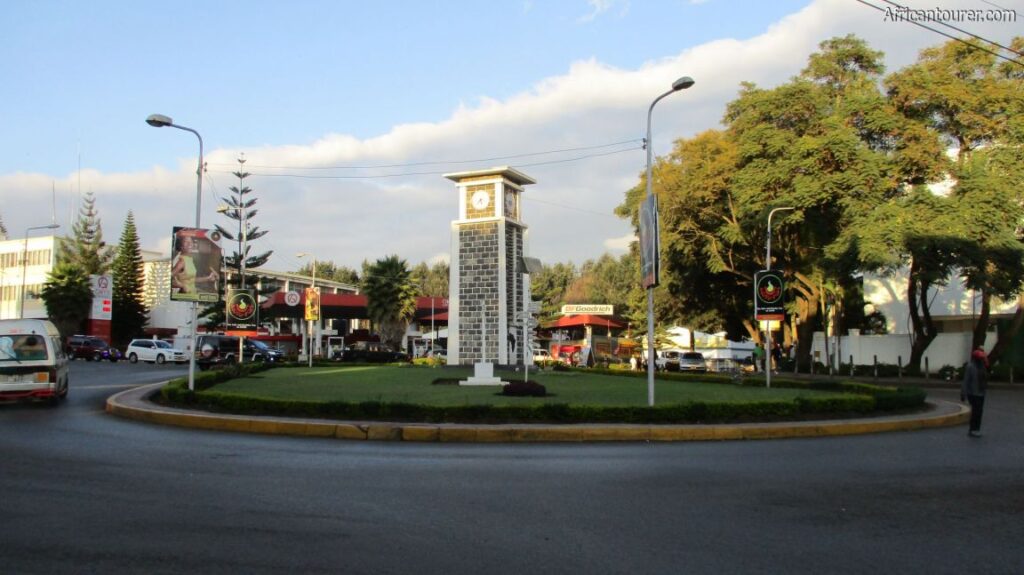
Many individuals perceive Arusha merely as Tanzania’s safari hub or a waypoint for ascending the snow-covered Mt. Kilimanjaro. Nevertheless, this East African city should not be overlooked. Situated precisely equidistant from Cairo and Cape Town, Arusha signifies the midpoint of the former British Empire, distinguished by a prominent clock tower. Delve beyond its tumultuous, dusty front, and you will discover numerous incentives to investigate this city. Here are the premier activities to engage in while in Arusha.
It offers a stunning mountain backdrop.
Mount Meru is the second highest peak in Tanzania, sometimes utilized by trekkers as a preparatory ascent for conquering the formidable Kilimanjaro. Others, however, are content to appreciate it from a distance. Individuals in the latter category may be glad to learn that this dormant volcano offers a stunning background to Arusha. Individuals averse to exercise may opt for a visit to the lower slopes, where they can partake in a less demanding camel safari or enjoy bathing beneath the waterfalls of Arusha National Park.
It features a fascinating culture.
The population of Arusha consists of almost 100 nationalities. It is a confluence of Iraqw, Hadzabe, Maasai, Swahili, and numerous other indigenous and ethnic cultures. Muslim and Christian villages coexist well, and residents will cordially greet you with the Swahili expression karibu, signifying ‘welcome.’ Numerous cultural tourism initiatives arrange excursions to adjacent communities to engage with the indigenous Wa-arusha and Maasai tribes.
It is the core of the Tanzanite gemstone.
Tanzanite, the December birthstone, is among Tanzania’s most esteemed exports, and The Tanzanite Experience – the sole museum globally dedicated to this gemstone – is located in the center of Arusha. Proceed to the Blue Plaza on India Street and ascend to the third floor via the elevator. Complimentary guided tours provide access to a temporary mine and elucidate the history of this vivid blue gemstone extracted from the slopes of Mt. Kilimanjaro. Examine the exquisite tanzanite jewelry available for buy, should you be inclined to spend.
It features an exciting food market.
Arusha’s Central Market is an exemplary location to experience Tanzanian life, providing a comprehensive sensory experience. Residents will endeavor to serve as your tour guide (for a price), and merchants are determined to secure a sale; therefore, remain vigilant and be ready to negotiate. The environment is vibrant, featuring an array of stalls offering exotic fruits, coffee, nuts, and spices.
It possesses an unexpectedly robust café culture.
Contrary to expectations for this quintessential African city, Arusha boasts a commendable array of coffee shops offering flat whites, iced lattes, and other European-style coffee beverages. Visit Africafe and Jambo Coffee House on Boma Road, Café Barrista on Sokoine Road, or Fifi’s on Themi Road. For dedicated coffee aficionados, there exist opulent coffee lodges on the city’s periphery offering ‘Bean to Cup’ farm tours.
It possesses several intriguing museums.
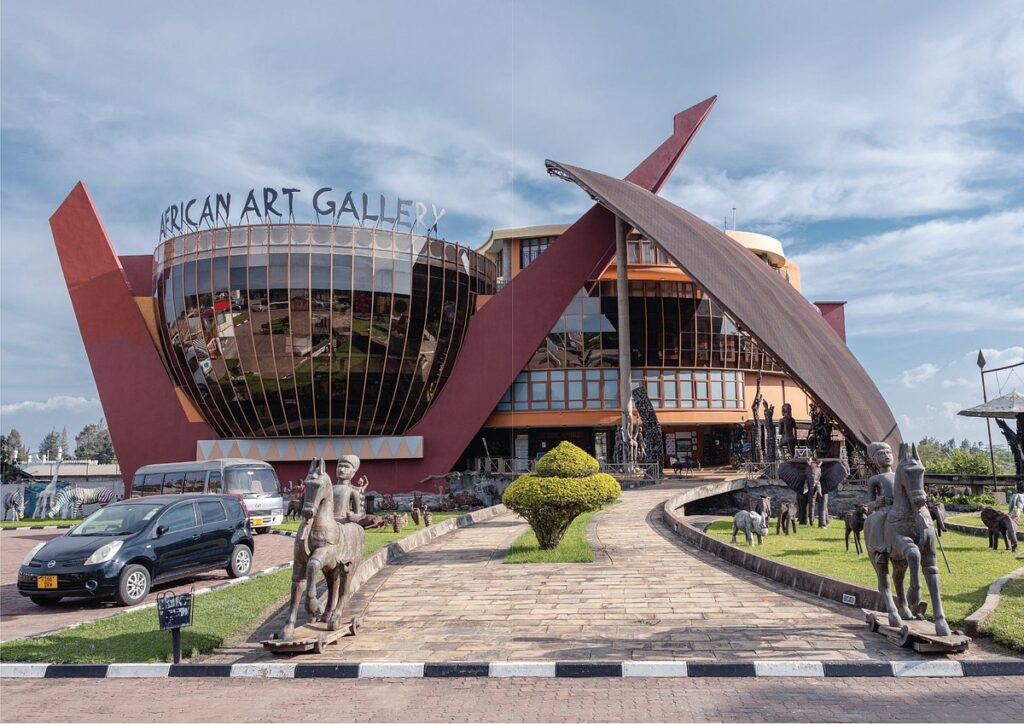
The museums in Arusha serve as an excellent starting point for those seeking to explore Tanzania’s political, cultural, and social history. The Arusha Declaration Museum, located near the Uhuru roundabout, provides insight into the nation’s struggle for independence and highlights its colonial history. The National History Museum, located in a German fort along Boma Road, offers visitors an exploration of human evolution. For an extensive array of African art, sculptures, and artifacts, visit The Cultural Heritage craft mall.
It’s great for shopping
Arusha Central Market features numerous businesses that sell Maasai textiles and hand-woven baskets. For the finest African souvenirs and curios, it is advisable to visit the Mt Meru Curios & Crafts Market, commonly known as the Maasai Market, located on Fire Road. Confident negotiation and a discerning eye are required to select the finest items, however it offers the most extensive array of commodities in the city. For ethical shopping, visit the Maasai Women Fair Trade Center on Simeon Road. The Cultural Heritage craft mall provides a leisurely shopping experience.
It includes an energetic food scene.
Arusha offers an abundance of options for uncomplicated street food. Take a seat beside Maasai men at Discovery Restaurant and indulge in Nyama Choma (roasted beef and corn), chapatti, pilau, and biryani. Khan’s BBQ on Mosque Street garners a devoted clientele for its ‘Chicken on the Bonnet’ street cuisine, accompanied by abundant servings of Indian-style chutneys, naans, and salads. Street foods are readily available in urban areas, and the monthly Arusha Farmer’s Market is favored by culinary enthusiasts.
Many places exist for peaceful meditation.
Upon initial arrival, Arusha may seem quite chaotic. Explore further, and you will discover unexpectedly tranquil locations. The Themi Living Gardens is a verdant location featuring the eco-restaurant Eat Wild, operated by a women’s community initiative, where organic food is served. The Mulberry is a city retreat where one may relax on comfortable day beds, listen to birds, and savor some of the finest cocktails in the city. Consider sampling a mango margarita or an Arusha sunset cocktail.
Numerous options for volunteering exist.
A primary reason to visit Arusha is its suitability for volunteering and engaging in charitable activities while traveling. You may arrange this via a volunteer organization such as VSO or Projects Abroad, or directly contact local entities such as KATz Volunteer Adventure, The Fruitful Orphanage, or Good Hope Orphanage. You can contribute by patronizing socially-conscious organizations like Shanga Shangaa, which produces homeware and jewelry from recycled materials.