 info@gorillatrekkinginafrica.com

4 Days Camping in Tarangire National Park
4 Days Camping in Tarangire National Park, Tucked into the heart of northern Tanzania, Tarangire National Park is one of East Africa’s most underrated safari gems. While the Serengeti steals the spotlight and the Ngorongoro Crater draws the crowds, Tarangire unfolds quietly — vast, wild, and utterly magnificent. Named after the Tarangire River that cuts through its core, the park spans approximately 2,850 square kilometres of ancient baobab-dotted landscape, acacia woodland, and open savannah.
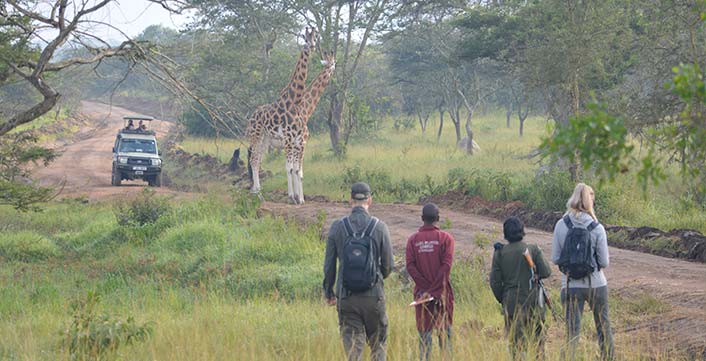
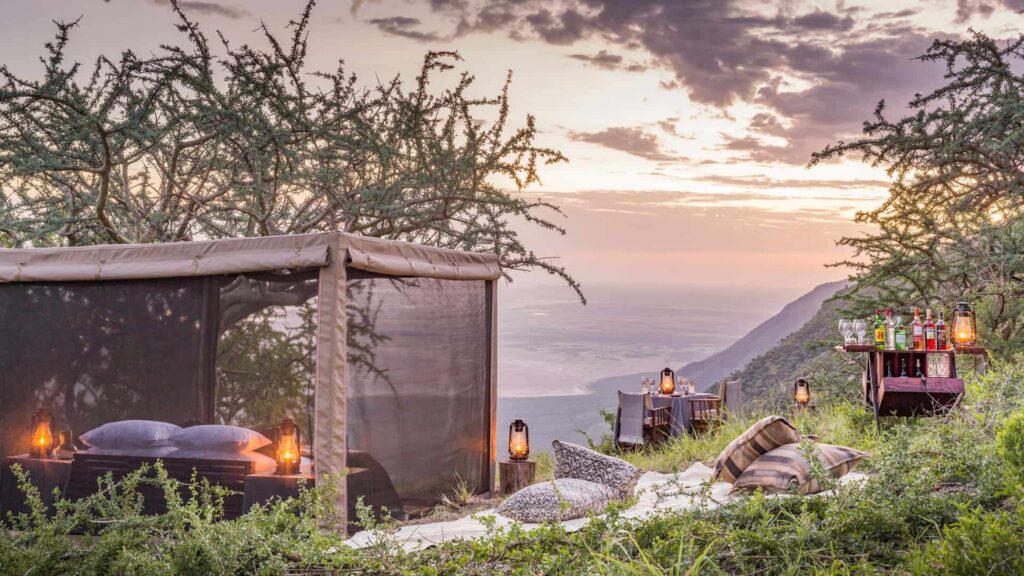
Camping in Tarangire is a transformative experience. Unlike the sanitized luxury of lodge-based safaris, ground camping places you directly in the middle of the wild — falling asleep to hyena calls, waking to the distant rumble of elephants, and watching the Milky Way arc across unpolluted skies. This 4-day itinerary is designed to immerse you fully in the rhythm of Tarangire: its extraordinary elephant herds, the ancient baobab forests, and the pulsing life of the Tarangire River.
Whether you are a first-time safari camper or a seasoned wilderness traveler, this guide covers everything you need — from what to pack and where to camp, to the best game drives, birdwatching hotspots, and safety essentials for your four days under the African stars.
Park Overview & Key Facts
- Location: Northern Tanzania, approximately 120 km southwest of Arusha
- Size: Approximately 2,850 km²
- Elevation: 1,000 to 1,800 metres above sea level
- Best Camping Season: June to October (dry season) — optimal wildlife concentration and clear skies
- Park Entry Fees: US$53.90 per adult per 24 hours (non-residents); US$19.80 for children aged 5 to 15
- Camping Fees: Public campsites from US$29.50 per person per night; Special campsites from US$50 per person per night
- Famous For: Largest elephant population in Tanzania, ancient baobab trees, Tarangire River, exceptional dry-season game viewing
Wildlife Highlights
Tarangire is home to one of Africa’s highest concentrations of elephants — some herds numbering in the hundreds. During the dry season, the Tarangire River becomes the only permanent water source in the region, drawing spectacular concentrations of wildlife:
- Elephants — herds of 50 to 300 individuals are common
- Lions, leopards, and cheetahs
- Large herds of zebra, wildebeest, buffalo, and eland
- Oryx and fringe-eared oryx (a Tarangire specialty)
- Giraffes browsing the tall acacias
- Pythons and monitor lizards in the riverine forest
- Over 550 bird species, including yellow-collared lovebird, ashy starling, and northern pied babbler
Getting to Tarangire National Park
From Arusha (Most Common Route)
The main gate — Kwa Kuchinja Gate — sits about 120 km southwest of Arusha via the Arusha-Dodoma highway (B144). The drive takes approximately 2 to 2.5 hours depending on road conditions.
- Follow the Arusha-Dodoma highway south from Arusha
- Pass through Makuyuni town — an important fuel stop
- Turn right at the signposted Tarangire junction
- Continue approximately 7 km to the main gate
From Kilimanjaro International Airport
KIA lies about 50 km east of Arusha. Drive west into Arusha town, then follow the highway to the park gate — a total journey of roughly 165 km and approximately 3 hours.
From Ngorongoro or the Serengeti
Many travellers combine Tarangire with other northern Tanzania parks. From Ngorongoro headquarters, Tarangire is approximately 180 km northeast (3.5 to 4 hours). From the Serengeti’s Naabi Hill Gate, allow 4 to 5 hours.
Camping in Tarangire: What You Need to Know
Types of Campsites
1. Public Campsites
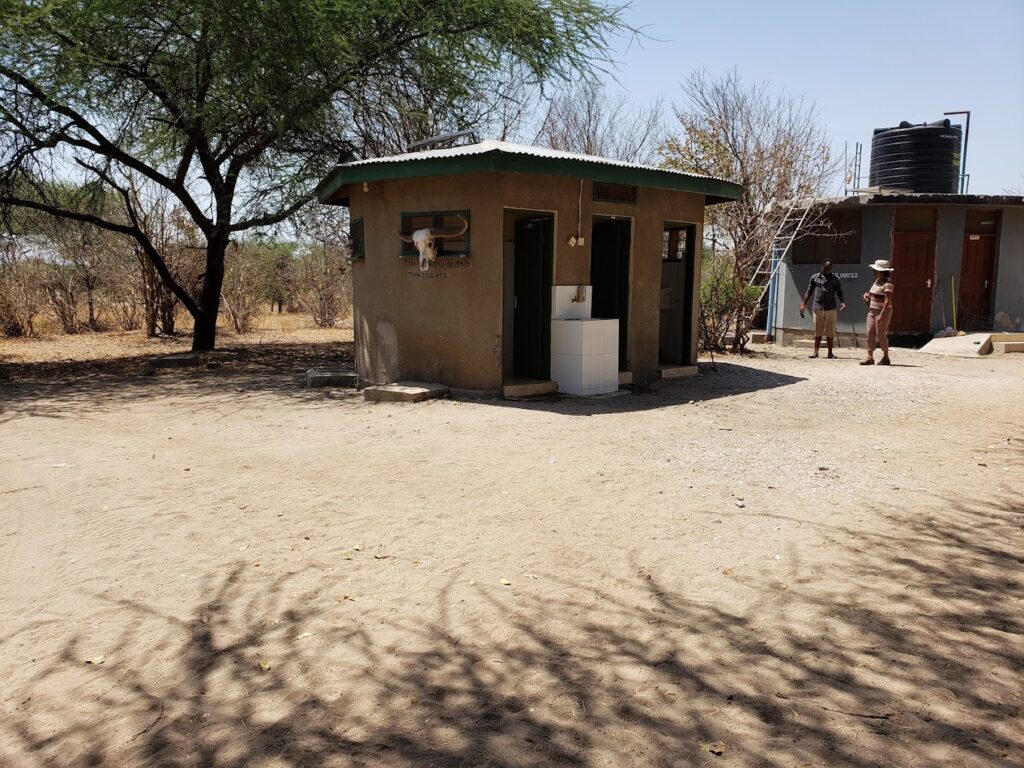
Public campsites are basic communal sites with minimal facilities — pit latrines and occasionally a cold-water shower. You bring your own tent, sleeping gear, cooking equipment, and food. Elephants routinely wander through public camp areas at night. Key public campsites include:
- Silale Public Campsite — in the southern sector near the Silale Swamp, excellent for elephants and waterbirds
- Boundary Hill Public Campsite — elevated position with panoramic views
- Tarangire River Public Campsite — riverside location with exceptional wildlife movement
2. Special Campsites
Special campsites are exclusive-use sites, meaning your group has the site entirely to yourselves. They have no facilities — true wilderness camping. They must be booked in advance through TANAPA headquarters or via your safari operator. These are highly recommended for a premium, undisturbed experience.
Equipment & What to Bring
Shelter & Sleeping
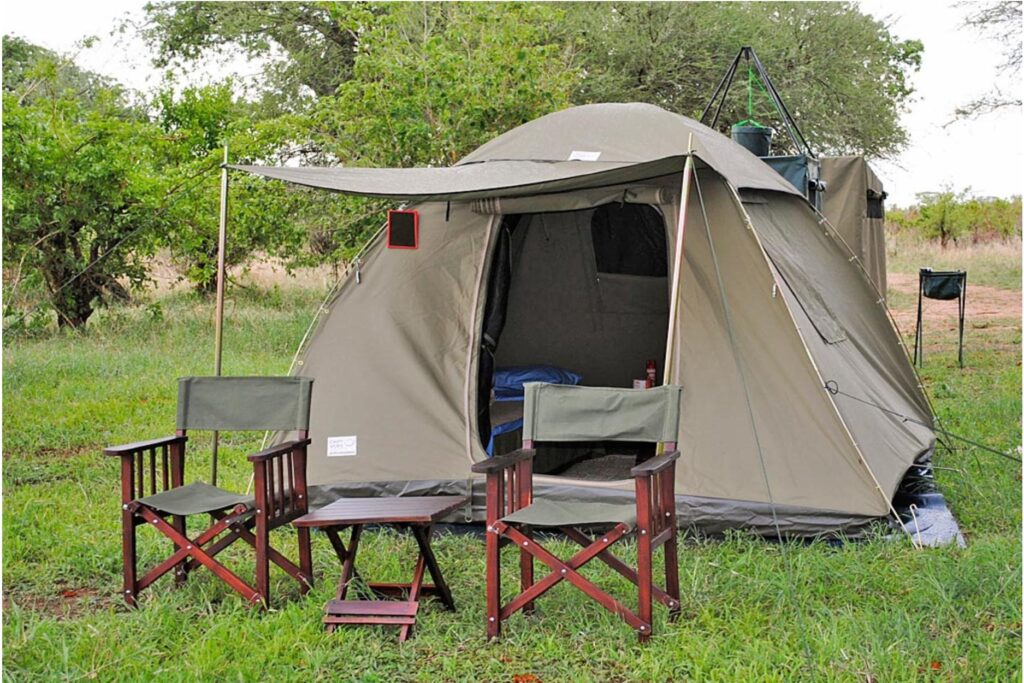
- A quality 3- or 4-season tent with good ventilation and rain fly
- Sleeping bag rated to at least 10°C — nights in Tarangire can be surprisingly cool, especially June to August
- Sleeping mat or self-inflating pad for insulation from the ground
- Ground cloth or footprint for your tent
Clothing
- Neutral, muted colours: khaki, olive, tan, grey — avoid bright colours and white
- Lightweight long-sleeved shirts and trousers for evening insect protection
- Fleece or light down jacket for cool mornings and nights
- Sturdy closed-toe walking shoes or light hiking boots
- Wide-brimmed hat and UV-protective sunglasses
- Buff or neck gaiter for dust protection during game drives
Food & Water
- All food must be brought in — there are no provisions inside the park
- Carry at least 3 to 4 litres of water per person per day; more in hot weather
- Lightweight camp stove with gas canisters
- Cookware set, utensils, plates and cups
- Cooler/ice box for perishables (ice available in Arusha before entry)
- Dried fruits, nuts, energy bars for game-drive snacks
Safety & Health
- Comprehensive first-aid kit including antiseptic, blister plasters, and antihistamines
- Antimalarial medication — consult your doctor before travel
- High-DEET insect repellent (50% DEET minimum)
- Permethrin-treated mosquito net for sleeping
- Sunscreen SPF 50+ and lip balm
Navigation & Communication
- Detailed park map — available at the gate
- Fully charged mobile phone and portable power bank
- GPS device or offline maps downloaded to your phone
4-Day Camping Itinerary
Day 1: Arrival & Afternoon Game Drive — The First Encounter
Theme: Settling In & First Contact with the Wild
Morning: Departure from Arusha
Leave Arusha by 7:00 AM to make the most of the day. Stock up on provisions at one of Arusha’s well-supplied supermarkets the evening before or on your way out of town. Carry enough food and water for all four days — there are no shops inside the park. Refuel at Makuyuni town (the last reliable fuel station before the park). Arrive at Kwa Kuchinja Gate by approximately 9:30 AM. Park entry formalities typically take 30 to 45 minutes.
Midday: Setting Up Camp
Drive directly to your reserved campsite. Day 1 is ideally spent at the Tarangire River Campsite, positioned along one of the most productive game-viewing zones in the park. Set up your tent in the shade of an acacia tree, taking note of any animal tracks around the site — elephant footprints the size of dinner plates are a common greeting.
Pro Tip: Position your tent door facing away from the prevailing wind. Never leave food or scented items inside your tent — this attracts elephants, baboons, and vervet monkeys.
Afternoon: First Game Drive
As the midday heat softens into a golden afternoon, head out on your first game drive along the Tarangire River loop — consistently one of the best game-drive circuits in all of Tanzania. Massive elephant herds converge at the banks from mid-afternoon onwards. Watch for hippo pods in the deeper river sections and crocodiles basking on sandbars. Buffalo herds of several hundred are common, and lions often ambush prey in the dense riverine bush.
- Key stops: Silale Swamp overlook, river crossing points, baobab grove viewpoints
- Look for: Elephant herds, buffalo, waterbuck, impala, giraffe
- Bird highlight: African fish eagle, goliath heron, saddle-billed stork
Evening: Sundowners & Campfire
Return to camp by 6:30 PM. Prepare your evening meal over the camp stove. Light your campfire — provided no fire ban is in effect — and spend the evening listening to the night’s soundtrack: the whooping of spotted hyenas, the rasping cough of a distant leopard, the steady chorus of frogs from the river.
Safety Note: Remain inside your tent after dark. Do not walk around the campsite at night without a powerful torch and an armed park ranger escort.
Day 2: Full Day Safari — Baobab Highlands & Silale Swamp
Dawn: Early Morning Game Drive
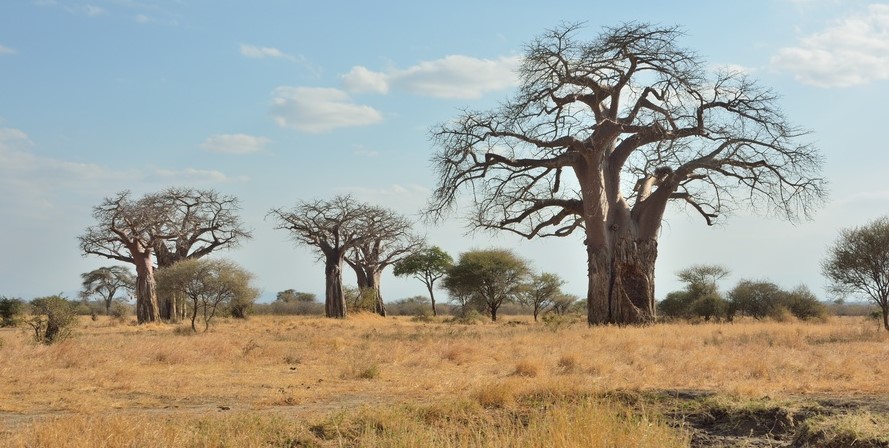
Rise before first light, make hot coffee or tea on your camp stove, eat a light breakfast, and be on the road by 6:00 AM. The golden hour of dawn is when predators are most active — returning from overnight hunts or finishing early morning kills. Drive towards the central highlands circuit, winding through one of the most iconic landscapes in African wildlife photography: the baobab forests. Ancient trees, some over 1,000 years old with trunks 10 to 15 metres in circumference, rise from the red earth like wrinkled monuments.
- Key wildlife: Lion prides resting in the morning shade, cheetah on open ground, elephant herds
- Bird highlight: Yellow-collared lovebird (Tarangire endemic), lilac-breasted roller, secretary bird
Mid-Morning: Silale Swamp
Continue south to Silale Swamp — one of Tarangire’s most rewarding destinations and a critical dry-season refuge for thousands of animals. The swamp’s permanent water and lush grass attract enormous concentrations of zebra, wildebeest, eland, and buffalo. Elephant families cool themselves in the muddy shallows. Park on the elevated bank overlooking the swamp and simply watch. The sheer volume of wildlife is humbling — this is Africa at its most raw and spectacular.
Experienced birders will be transfixed: African openbill storks, yellow-billed storks, greater flamingos, and an extraordinary variety of waders and raptors crowd the swamp edges.
Midday: Picnic Lunch in the Bush
Pack a picnic lunch and eat at one of the designated picnic areas within the park. A shaded spot overlooking the Tarangire River is recommended. Keep windows up and do not leave food unattended — vervet monkeys and olive baboons are bold, intelligent thieves. Rest during the hottest hours (12:00 PM to 2:30 PM).
Afternoon: Boundary Hill & Sunset Views
Drive to Boundary Hill for elevated, panoramic views across the park. The hill offers a remarkable perspective on the scale of Tarangire’s landscape — rolling woodland stretching to the horizon, punctuated by the silver ribbon of the river and the dramatic silhouettes of giant baobabs. As the light drops, herds of elephants trek in long, deliberate lines across the plains below — ancient pathways used by generations of elephants for thousands of years.
Day 3: Northern Sector Exploration — Poacher’s Hide & Engikaret
Theme: Remote Wilderness & Predator Country
Dawn: Early Predator Drive
Day 3 ventures into the northern sector — a less-visited, wilder zone that rewards those willing to explore. Depart at first light and head north along the game tracks past Poacher’s Hide, a rocky kopje notorious for resident lion prides and leopards that use the boulders as lookout points and resting spots. The northern sector’s more open woodland is excellent cheetah habitat. Scan elevated ground carefully: cheetahs often use termite mounds and fallen logs to survey their hunting grounds.
- Key wildlife: Lions at Poacher’s Hide, cheetah on open ground, eland and oryx
- Special sighting: Wild dogs (painted wolves) have been recorded in the northern sector
- Bird highlight: Martial eagle, bateleur, Kori bustard
Mid-Morning: Engikaret Area
Continue to Engikaret Hill area, a rocky zone in the park’s northern reaches. This is superb python country — African rock pythons up to 5 metres long inhabit the rocky crevices and river thickets. The Engikaret area is also important for lesser-known wildlife: common mongoose, banded mongoose families, honey badgers, and bat-eared foxes are frequently seen here. Take time to scan low ground and burrow entrances.
Afternoon: Photography & Creative Exploration
Spend the afternoon on a slow, contemplative photographic game drive. The soft afternoon light of Tarangire is internationally famous among wildlife photographers for its warm, golden quality. Frame a lone elephant bull against a massive baobab silhouette; capture the reflection of a heron in the still river at dusk; photograph the social behaviour of a mongoose family; or shoot the intricate bark patterns of a 1,000-year-old baobab in raking side-light.
Campfire Ritual: Return to camp, light the fire, and over your evening meal share the day’s images and stories. These campfire evenings — conversations illuminated by firelight with the sounds of wild Africa surrounding you — are often the memories that stay longest.
Day 4: Final Morning Drive & Departure
Theme: Last Moments & Lasting Impressions
Dawn: Final Game Drive
Your last morning in Tarangire. Wake early and take one final game drive along the Tarangire River — the route that opened your safari on Day 1, now resonant with four days of accumulated memories. You recognise the elephant families you have followed, the lion pride’s territory, the baobab trees that have become old friends. Spend time with the engine off, simply watching and listening. A herd of elephants crossing the river. Hadada ibis flying overhead with their raucous call. The day beginning.
Morning: Breaking Camp
Return to camp and break everything down. Leave your campsite exactly as you found it — carry out all waste, extinguish any fire thoroughly, and ensure no food scraps are left. This is both a practical rule and an expression of respect for a landscape that has given you so much. Before departing, spend time at the main gate’s visitor information centre to review the park’s conservation history and ongoing anti-poaching efforts.
Departure & Onward Travel
Depart through Kwa Kuchinja Gate by 11:00 AM for the 2.5-hour drive back to Arusha. Many visitors continue directly from Tarangire to Lake Manyara (45 km north), the Ngorongoro Conservation Area (about 3.5 hours northwest), or the Serengeti — Tarangire is ideally positioned as the opening or closing chapter of a classic northern Tanzania safari circuit.
Safety & Essential Rules for Camping in Tarangire
Wildlife Safety
- Never exit your vehicle during game drives except at designated exit points
- Never walk outside camp boundaries at night — elephants, buffaloes, and lions move through campsites regularly
- Keep food secured at all times in locked vehicle compartments or hard-sided containers
- Never feed any animal, no matter how small or seemingly harmless
- If elephants approach camp, remain calm, stay inside your tent, and make no sudden movements or loud noise
- Keep a powerful torch accessible in your tent at all times
Health Precautions
- Malaria is present in Tarangire — begin antimalarial medication as prescribed before arrival
- Sleep under a permethrin-treated mosquito net every night
- Apply DEET-based repellent at dusk and dawn when mosquitoes are most active
- Carry oral rehydration salts — dehydration from heat and activity is common
- Treat all drinking water or use bottled water
General Camp Safety
- Always camp with at least one other person — solo camping is not recommended
- Register your campsite details with TANAPA rangers at the gate
- Carry a satellite communicator or personal locator beacon for emergencies
- Inform someone outside the park of your itinerary and expected return date
Best Time to Camp in Tarangire
Dry Season: June to October (Strongly Recommended)
The dry season is the premier time to camp in Tarangire. As water sources outside the park dry up, wildlife converges on the Tarangire River in extraordinary concentrations. Elephant herds of 200 to 300 individuals are regularly seen. Predator activity is high as concentrated prey makes hunting efficient. Vegetation thins and visibility improves dramatically. Nights can be cool (12 to 18 degrees Celsius), making sleep comfortable and campfires very welcome.
Short Rains: November to December
Light rains return colour and life to the park. Migratory birds arrive from the north, and the bush transforms with new green growth. Wildlife disperses somewhat as temporary water sources fill, but the experience is more exploratory and far less crowded. Fewer tourists visit in this period.
Long Rains: March to May
Heavy rains make many park tracks impassable and camping uncomfortable. Some operators close during the peak wet months of April and May. However, for experienced campers who are well-equipped, the wet season offers a lush, atmospheric experience — baby animals abound, migratory birds are in breeding plumage, and the landscape is emerald green.
Practical Information & Booking
How to Book Campsites
Public and special campsites in Tarangire must be booked through Tanzania National Parks (TANAPA). Bookings can be made online at tanzaniaparks.go.tz or in person at TANAPA headquarters on Dodoma Road in Arusha. Special campsites must be reserved well in advance, especially during peak season (July to September). Many Arusha tour operators can arrange complete camping safari packages including park fees, camping permits, vehicle hire, guide, and all equipment.
Vehicle Requirements
- A 4×4 vehicle is strongly recommended — many Tarangire tracks require high clearance
- Carry at least one spare tyre and tyre repair kit
- Pack a high-lift jack, recovery boards, and tow rope for sandy or muddy sections
- Carry extra fuel — there is no fuel available inside the park
Indicative Costs Per Person (Independent Camping)
- Park entry fee: US$53.90 per adult per 24 hours
- Public campsite fee: US$29.50 per person per night
- Special campsite fee: US$50.00 per person per night
- Ranger escort fee (where required): approximately US$20 per day
- 4-day total park costs (public campsite): approximately US$332 per adult
Final Thoughts: Why Tarangire?
In a country blessed with extraordinary national parks, Tarangire holds a singular place — it is the park that most often reduces first-time visitors to silence. Not the silence of nothing, but the silence of being overwhelmed. The silence of watching 300 elephants move through golden afternoon light, of a lone baobab standing against a violet sunset, of understanding in a visceral way that the world was once like this everywhere.
Four days of camping here is not a holiday in the conventional sense. It is a recalibration. The pace of the wild — patient, unhurried, attentive — rewires something in the human nervous system that modern life has disrupted. You leave Tarangire not just with photographs and memories, but with a different relationship to time, to silence, and to the other living creatures with whom we share this planet.
Go. Camp under the baobabs. Wake before dawn. Watch the elephants come to drink. Tarangire will do the rest.