 info@gorillatrekkinginafrica.com

3 Days Camping Safaris in Tarangire National Park
3 Days Camping Safaris in Tarangire National Park , Nestled in northern Tanzania’s Manyara Region, Tarangire National Park is one of East Africa’s most underrated safari destinations. Covering approximately 2,850 square kilometres, the park is named after the Tarangire River — the lifeblood of the entire ecosystem — which flows year-round and acts as a powerful magnet for wildlife during the dry season (June to October), when it is the only permanent water source for hundreds of kilometres in every direction.
What makes Tarangire truly extraordinary is its scale of elephants. The park hosts one of the highest densities of African elephants on the continent, with herds of 200 to 300 individuals converging along the riverbanks in peak dry season. Beyond elephants, the park supports lions, leopards, cheetahs, buffalo, zebra, wildebeest, giraffe, and an astonishing diversity of antelopes including fringe-eared oryx, lesser kudu, and gerenuk — species rarely seen in other northern circuit parks.
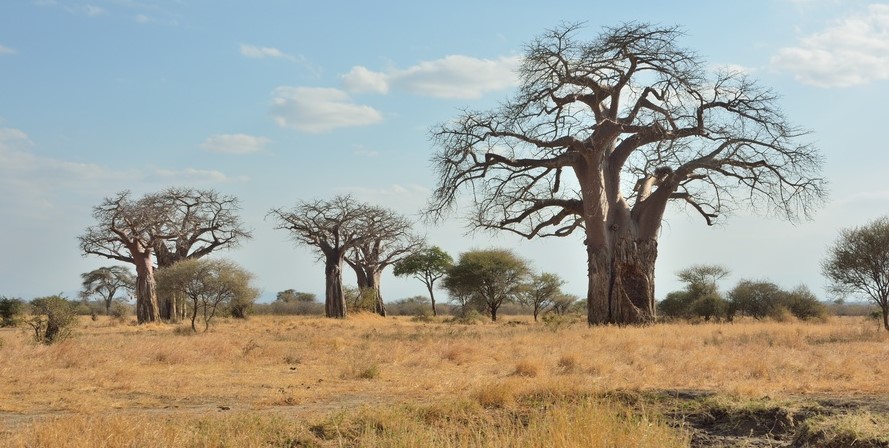
Tarangire is also defined by its iconic landscape. Ancient baobab trees — some over 1,000 years old — dominate the savannah, creating a dramatic backdrop unlike any other Tanzanian park. For camping enthusiasts, the park offers a rich, immersive wilderness experience far from the tourist crowds of the Serengeti or Ngorongoro Crater, making it the perfect destination for a three-day camping safari.
| Location | Manyara Region, northern Tanzania |
| Area | 2,850 km² (1,100 sq mi) |
| Park Established | 1970 |
| Nearest Airport | Kilimanjaro International Airport (KIA) — 2.5 hrs drive |
| Nearest City | Arusha — 118 km (approx. 2 hrs drive) |
| Entry Gate | Kuro Gate (main entrance) |
| Bird Species | 550+ recorded species — top 10 birding site in Africa |
Why Choose a Camping Safari in Tarangire?
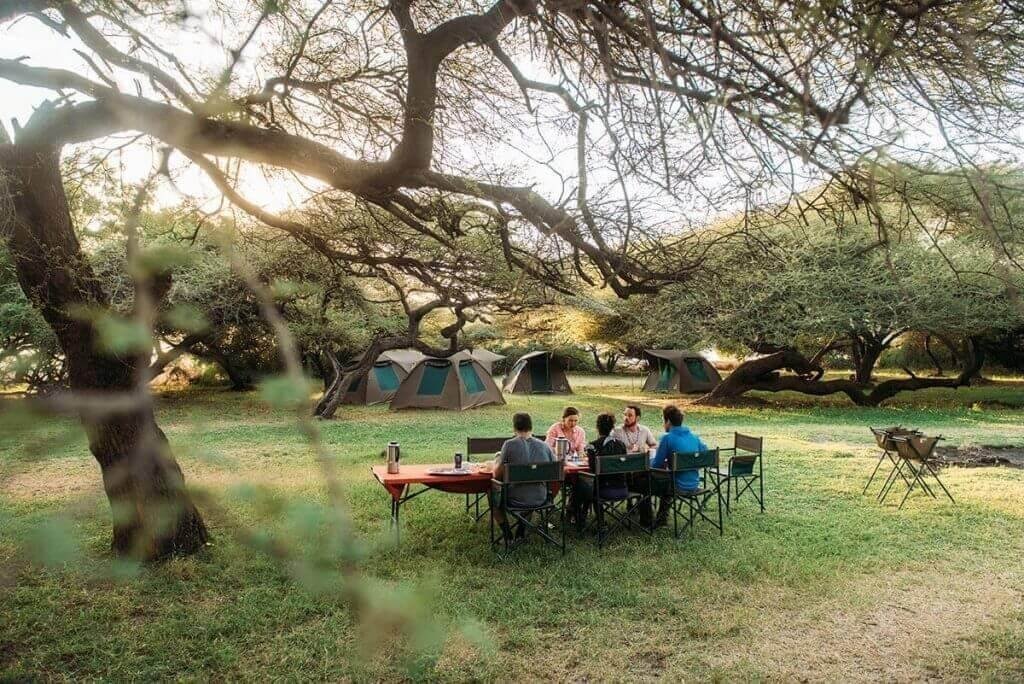
Camping in Tarangire is more than just a budget-friendly alternative to lodge stays — it is a completely different kind of safari experience. Sleeping under canvas places you in intimate contact with the African bush, where the sounds of the night — hyenas calling, elephants crashing through undergrowth, lions roaring in the distance — become your lullaby.
Public campsites in Tarangire are unfenced and unlit, meaning wildlife moves freely through and around the camp. Many campers wake up to find elephants grazing just metres from their tents at dawn.
Advantages of Camping Over Lodge Stays
- Immersion: Sleeping in the bush gives an authentic, unfiltered connection with nature
- Wildlife Encounters: Unfenced campsites mean animals pass through at night and at dawn
- Cost: Camping is significantly more affordable, freeing budget for more game drive days
- Exclusivity: Public campsites are rarely crowded, offering a private wilderness feel
- Star Gazing: No artificial lighting means extraordinary night skies above the African bush
Planning Your 3-Day Camping Safari
Best Time to Visit
| June – October (Dry Season) | BEST TIME. Wildlife concentrates along the Tarangire River. Elephant herds of 300+ common. Low vegetation — excellent visibility. Cool nights ideal for camping. |
| November – December (Short Rains) | Green season begins. Fewer visitors. Migratory birds arrive. Some roads muddy. Newborn animals appear. |
| January – February (Dry Spell) | Second-best period. Calving season for wildebeest and zebra. Green landscapes with active predators. |
| March – May (Long Rains) | Wettest months. Some camps close. Roads can be impassable. Lush, dramatic landscapes for adventurous campers with 4WD. |
How to Get There
- By Road from Arusha: Drive 118 km south on the Arusha–Dodoma highway. Travel time approximately 1.5 to 2 hours. Kuro Gate is clearly signposted.
- By Charter Flight: Flights from Arusha Airport (ARK) to Kuro Airstrip inside the park take approximately 30 minutes. Operated by Coastal Aviation, Air Excel, and Regional Air.
- Via Kilimanjaro International Airport: Transfer to Arusha (45 min) then continue by road or charter to the park.
Park Fees & Permits (2026–2027)
| Non-Resident Adult | USD $59 per person per day |
| Non-Resident Child (5–15) | USD $20 per person per day |
| East African Resident | USD $19 per person per day (with valid ID) |
| Vehicle Fee | USD $40 per vehicle per entry (foreign registered) |
| Public Campsite Fee | USD $30 per person per night |
| Special Campsite Fee | USD $50 per person per night (private exclusive sites) |
| Ranger Guide (optional) | USD $20 per group per day — highly recommended |
Day 1: Arrival, Kuro Gate & Silale Swamp Loop
Theme: First Impressions — Baobabs, Elephants & Riverside Camp
Morning: Departure from Arusha (06:00)
An early departure from Arusha is strongly recommended to maximise your first game drive. Pack your vehicle the night before, fuel up in Arusha, and aim to be on the road no later than 06:30. The two-hour drive to Kuro Gate passes through scenic Maasai countryside, small market towns, and open savannah. Stop for last supplies in Makuyuni village, approximately 20 km before the gate.
Mid-Morning: Kuro Gate Arrival & Park Entry (08:30)
Upon arrival at Kuro Gate, register your vehicle and complete all permit formalities. The process takes 20–30 minutes. Study the park map and discuss your driving route with park rangers, who provide daily updates on wildlife sightings and road conditions. As you drive through the gate, keep your camera ready — elephants are frequently spotted within the first kilometre of the entrance road.
Game Drive: Tarangire River Circuit (08:30 – 12:30)
Head south along the main game drive circuit following the Tarangire River. This is the heart of the park’s wildlife activity, particularly during the dry season. The river circuit is approximately 40 km of tracks winding through open floodplains, riparian woodland, and ancient baobab groves.
Key Wildlife Highlights — Day 1 Morning
- African Elephants: Multi-generational herds of 50–300 individuals congregate at the river to drink and bathe
- Cape Buffalo: Large bachelor herds and mixed family groups on the open floodplains
- Masai Giraffe: Frequently seen browsing on acacia trees along the river corridor
- African Wild Dog: Rare but occasionally seen in packs — one of Africa’s most endangered predators
- Yellow-billed Stork, Saddle-billed Stork: Spectacular large waterbirds wading in the shallows
Afternoon: Silale Swamp Exploration (14:00 – 17:30)
Drive south to the Silale Swamp — a permanent wetland area that attracts extraordinary concentrations of waterbirds and hippos. The swamp is a birdwatcher’s paradise hosting over 60 waterbird species in peak season. Look for grey-crowned cranes, African jacana, malachite kingfishers, and the purple heron. Hippo pools hold pods of 20–40 individuals, and crocodiles bask on mud banks in the afternoon warmth.
Evening: Camp Setup, Sundowners & Dinner (17:30)
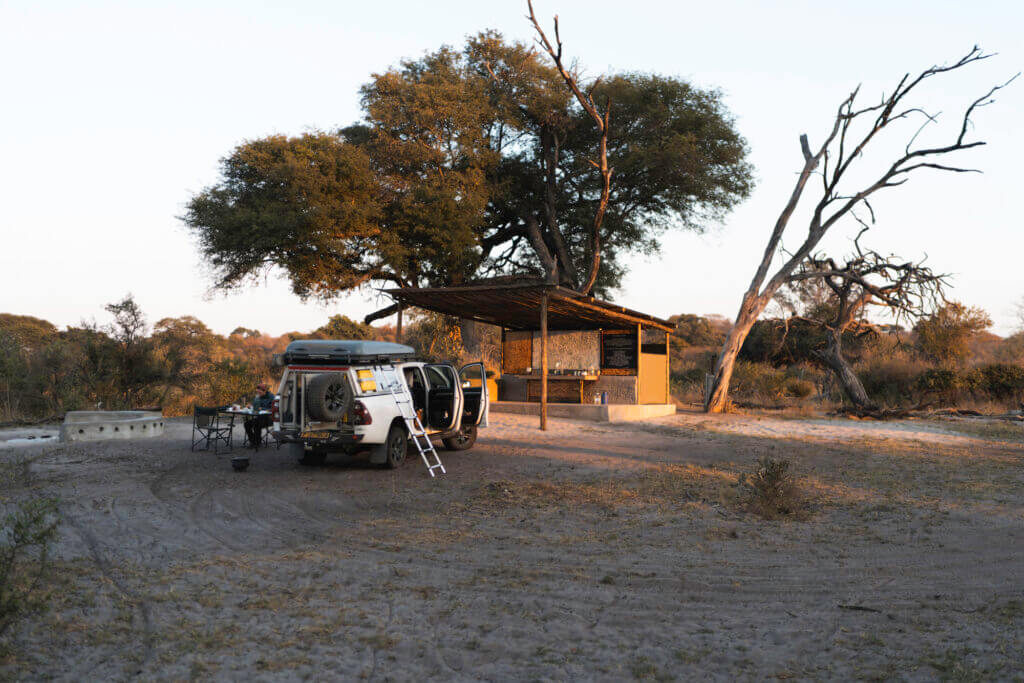
Return to your campsite and set up camp before dark. Position tents away from any water source or game trail. Arrange chairs facing the bush for sundowners as the spectacular African sunset colours the baobab skyline orange and crimson.
Evening Campsite Safety Rules
- Never leave food or waste outside your tent — elephants and hyenas are attracted to smells
- Zip tent doors completely shut at all times, even briefly during the day
- Use a red-light headtorch at night to avoid disturbing nocturnal wildlife
- Never walk between vehicles and tents after dark without a powerful torch
- Inform your guide immediately if any large animal enters camp
Cook a satisfying campfire meal: braised beef stew with root vegetables in a cast-iron pot, ugali (East African maize porridge), roasted tomatoes with herbs, and fresh East African chapati bread. Sit quietly by the dying fire and listen to the haunting whoop of spotted hyenas, the rumble of distant elephants, and the deep roar of lions — the perfect close to a spectacular first day in the bush.
Day 2: Full Day Game Drives — Southern Circuit & Engelhard Bridge
Theme: Deep Wilderness — Lions, Leopards & the Ancient Baobab Forest
Pre-Dawn Walk (05:30 – 06:30)
Day 2 begins before sunrise. A guided pre-dawn walk of approximately 1.5 km from camp (mandatory with an armed ranger guide) offers a completely different perspective of the African bush. Walking at dawn allows you to read animal tracks left overnight, listen to the extraordinary dawn chorus of over 550 bird species, and experience the rawness of the wilderness in a way no vehicle-based drive can match.
Sunrise Game Drive — Engelhard Bridge Area (06:30 – 10:00)
Drive north across Engelhard Bridge — the only bridge spanning the Tarangire River inside the park — for exceptional wildlife viewing at dawn. Lions are frequently seen making final morning kills near the bridge before retreating to shaded acacias as the sun rises. Leopards can be spotted in large fig trees above the river, and cheetahs occasionally hunt on the open plains north of the bridge.
Big Cat Spotting Tips at Engelhard Bridge
- Arrive at the bridge by 06:45 — lions are most active in the cool of early morning
- Scan large horizontal branches of fever trees and sausage trees for resting leopards
- Look for vultures circling or congregating on the ground — a reliable indicator of a recent kill
- Turn off your engine and wait silently if you spot a predator — patience rewards remarkable behavior
Mid-Morning: Baobab Forest Walk (10:00 – 11:30)
Embark on a 2-kilometre guided walk through the ancient baobab forest in the central sector. These extraordinary trees — Adansonia digitata — can live for over 2,000 years and reach circumferences of 30 metres. They store up to 120,000 litres of water in their hollow trunks, provide roosting sites for Egyptian fruit bats, and produce flowers pollinated exclusively by bats and bush babies. The bark is used medicinally by local Maasai and Datoga communities.
Afternoon: Lemiyion Area — Predator Country (14:00 – 17:30)
The Lemiyion area in the northwest sector is prime predator territory. The landscape transitions from dense bush to open grasslands — ideal hunting ground for lions and the base for several resident prides.
Key Wildlife — Lemiyion Area
- Lion: The Kuro Pride and Lemiyion Pride total 50–60 individuals — best seen at dawn and dusk
- Leopard: Solitary individuals frequent rocky ridgelines and riverine woodland
- Fringe-eared Oryx: Tarangire speciality — seen in herds of 10–30 in the southern and central sectors
- Lesser Kudu: Shy but regularly spotted in dense thickets — Tarangire is one of few parks where they are reliably seen
- Gerenuk: The giraffe gazelle stands on hindlegs to browse — one of Africa’s most distinctive antelopes
- Bat-eared Fox: Often seen at burrow entrances in late afternoon in open sandy areas
Sundowner on a Rock Kopje & Camp Dinner (17:30)
End Day 2 with sundowner drinks on a granite kopje — exposed rock outcrops providing panoramic 360-degree views across the park. Watch for rock hyrax, agama lizards, and klipspringers silhouetted on the highest rocky points at sunset. Return to camp for a grilled dinner: chicken marinated in East African pilipili sauce, coconut rice, roasted sweet potato, and fresh tomato-onion kachumbari salad.
Day 3: Northern Circuit, Boundary Hill & Departure
Theme: Final Safari — Birding, Bush Breakfast & Farewell to the Wild
Early Morning Game Drive (06:00 – 09:30)
Your final morning in Tarangire deserves to be savoured. Drive the northern circuit — less visited than the river road — for different perspectives and wildlife not seen in previous days.
Northern Circuit Wildlife
- African Wild Dog: This area offers the best wild dog sightings in the park — most visible at dawn in pack hunts
- Eland: Africa’s largest antelope — massive bulls weighing up to 900 kg seen in bachelor groups
- Secretary Bird: Spectacular terrestrial eagle walking across open grassland hunting snakes and rodents
- Ground Hornbill: Enormous turkey-sized birds walking in family groups — their deep booming calls echo at dawn
- Waterbuck: Large shaggy-coated antelopes with distinctive white ring markings near permanent water
Boundary Hill Lookout & Bush Breakfast (09:30 – 10:30)
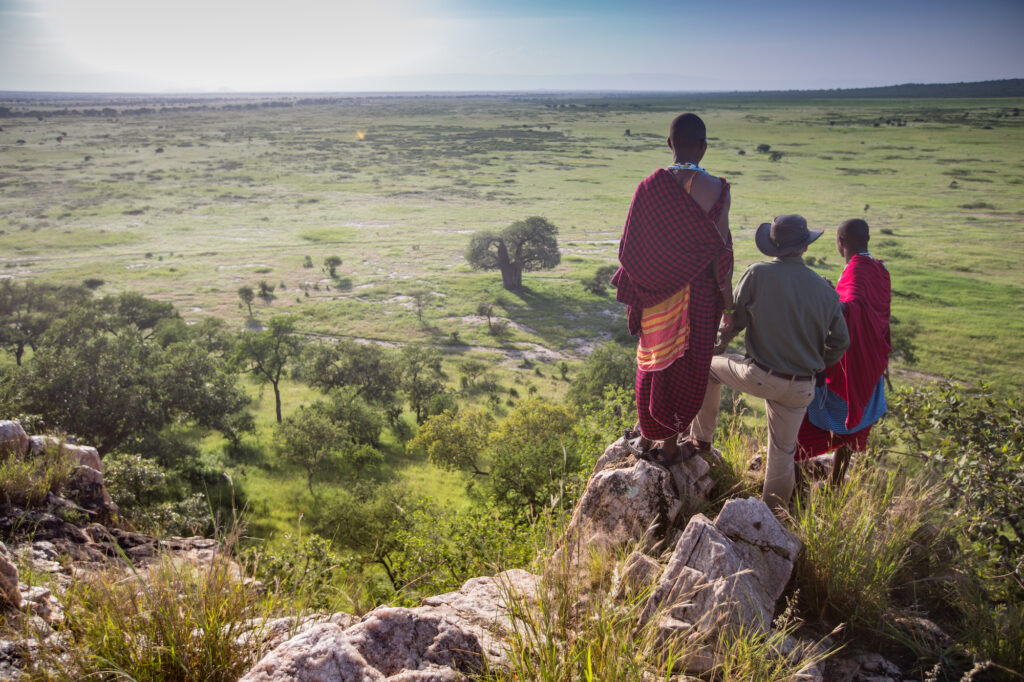
Drive to Boundary Hill — the highest accessible point in Tarangire at 1,640 metres — for a breathtaking panoramic view. On a clear morning you can see snow-capped Mount Kilimanjaro (5,895 m) rising above the clouds 150 km to the northeast, Mount Meru (4,566 m) to the north, and Lake Manyara shimmering in the Great Rift Valley to the west.
This is the ideal location for your bush breakfast — a Tanzanian safari tradition of boiled eggs, buttered bread rolls, fresh fruit, and thermos coffee or chai tea enjoyed with the most extraordinary view in East Africa spread beneath your feet.
Birding Highlight: 550+ Species
Tarangire ranks among the top ten birding sites in all of Africa, supported by extraordinary habitat diversity across permanent rivers, seasonal swamps, miombo woodland, acacia savannah, baobab forest, and open grassland.
| Raptors | Martial Eagle, Bateleur, Lilac-breasted Roller, Eastern Pale Chanting Goshawk |
| Waterbirds | African Fish Eagle, Goliath Heron, Yellow-billed Stork, Saddle-billed Stork |
| Ground Birds | Ground Hornbill, Secretary Bird, Kori Bustard (largest flying bird in Africa) |
| Dry Country Specials | Ashy Starling (endemic to Tanzania), Rufous-tailed Weaver, Yellow-collared Lovebird |
| Night Birds | Verreaux’s Eagle-Owl, African Scops Owl, Freckled Nightjar |
Final Camp Pack-Down & Departure (10:30 – 12:00)
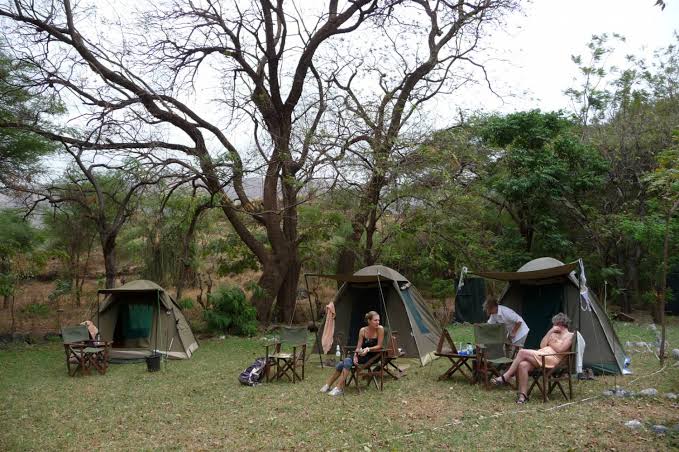
Pack down tents and equipment. Leave the campsite completely clean — pack all litter out, rake over fire ash, and restore the campsite to the condition you found it. Tanzania has strict Leave No Trace regulations and TANAPA rangers conduct campsite inspections.
Pack-Down Checklist
- Deflate and pack sleeping mats and sleeping bags first
- Wash and dry all cooking utensils before packing
- Check the perimeter for litter, plastic bags, and food scraps
- Scatter campfire ash and soak with water to ensure fully extinguished
- Double-check vehicle roof rack strapping and load security
Begin the drive to Kuro Gate for your park exit. Take it slowly and savour every last kilometre — many visitors spot their most memorable wildlife on the final drive out, when the eye is most attuned to the landscape.
Complete Camping Guide for Tarangire
Campsite Options
| Public Campsite 1 (Kuro) | Basic facilities. Toilets, cold showers, firepit. USD $30/person/night. Most popular. River views. |
| Public Campsite 2 (River Loop) | More remote. Pit latrines only. Best wildlife encounters. USD $30/person/night. |
| Boundary Hill Camp | Northern sector. Cooler temperatures. Good predator country. USD $30/person/night. |
| Special Private Campsites | Exclusive use. More facilities. USD $50–80/person/night depending on season. |
Essential Camping Equipment
Shelter & Sleep
- 4-season safari tent with insect-proof mesh inner and full flysheet for rain protection
- Sleeping bag rated to 5°C minimum — Tarangire nights can be surprisingly cold June–August
- Inflatable sleeping mat or thick foam pad for comfort and ground insulation
Kitchen & Food
- Two-burner gas camp stove with spare canisters (minimum 2 × 220g for 3 days)
- Cast-iron camp pot or Dutch oven for stews and rice — essential for campfire cooking
- 60-litre cool box with block ice (replenish in Arusha or Makuyuni village)
- Collapsible 20-litre water container for campsite water storage
Clothing & Personal
- Neutral-coloured safari clothing: khaki, olive, or sand — avoid bright colours that disturb wildlife
- Long-sleeved shirts and trousers for evening insect protection
- Wide-brimmed sun hat and high-SPF sunscreen (UV index reaches 11+ on open savannah)
- Fleece jacket or lightweight down jacket for cold mornings and nights
Safety & Health
- Personal first aid kit: antiseptic, bandages, antihistamine, paracetamol, blister plasters
- Malaria prophylaxis — consult your doctor at least 4 weeks before travel
- DEET-based insect repellent (50% concentration minimum)
- AMREF Flying Doctors emergency evacuation coverage — strongly recommended for bush safaris
Wildlife Guide: What to Expect in Tarangire
Top Species of Tarangire
| African Elephant | Herds of 200–300+ in dry season. Highest density in East Africa. Cross the river daily. |
| African Lion | 4 resident prides totalling 50–60 individuals. Best seen at Engelhard Bridge at dawn. |
| African Leopard | Solitary, nocturnal. Reliably spotted in riverine woodland and on large fig trees. |
| African Wild Dog | Critically endangered. 2–3 packs resident. Dawn sightings near Boundary Hill area. |
| African Buffalo | Herds of 200–500 in wet season. Large bachelor herds year-round. |
| Fringe-eared Oryx | Tarangire speciality. Herds of 10–50 in southern and central sectors. |
| Gerenuk | Stands on hindlegs to browse — distinctive. Reliable sightings in Lemiyion area. |
Sample Budget Breakdown
| Park Entry Fee | USD $59 × 3 days = USD $177 per person |
| Camping Fee | USD $30 × 2 nights = USD $60 per person |
| Vehicle Hire (shared between 2) | USD $110/day ÷ 2 = USD $165 per person for 3 days |
| Fuel (Arusha return + park driving) | Approx USD $45 per person |
| Food & Provisions | USD $15–20 per day = USD $45–60 total |
| Ranger Guide (optional) | USD $20/day ÷ 2 = USD $30 per person |
| TOTAL (Self-Drive) | Approx USD $520–560 per person (excluding international flights) |
| TOTAL (With Charter Flights) | Approx USD $700–800 per person |
Note: Prices are approximate 2024–2025 estimates subject to change. TANAPA fees are updated annually. Always confirm vehicle hire inclusions (fuel, guide, insurance) before booking.
Conclusion: Why Tarangire Stays With You
Of all the parks in Tanzania’s legendary northern safari circuit, Tarangire is the one that surprises visitors most. Lacking the global fame of the Serengeti or the UNESCO-protected status of Ngorongoro Crater, it quietly delivers some of the most extraordinary wildlife encounters in Africa — with far fewer vehicles, a more intimate atmosphere, and a landscape unlike any other on the continent.
Spending three nights camping in Tarangire transforms the safari experience from observation into immersion. The sounds, scents, and sensations of sleeping in the African bush — waking to an elephant’s footfall outside your tent, watching the Milky Way arch over ancient baobabs, listening to lions announce their presence at midnight — create memories that endure for a lifetime.
This is why Tarangire is not simply a place to see wildlife. It is a place to feel Africa.