 info@gorillatrekkinginafrica.com

Gorilla Charging – What makes a Gorilla beat its chest and charge?
Gorilla Charging, Gorilla trekking is among the most exhilarating wildlife experiences in Africa. A multitude of people visit Africa primarily to experience intimate interactions with wild primates. Prior to on a gorilla trekking expedition, certain people express concerns over their safety while observing the primates. They might contemplate the subsequent inquiries:
- Do gorillas charge?
- What can make a gorilla charge?
- What should I do when a gorilla charges?
We will be answering these questions in this article but after some background information.
This post will address these questions following some background information.
How to respond when a gorilla chargesGorillas, whether in captivity or in their natural habitat, are undoubtedly the most tranquil of the great apes. They depart in tightly bonded groups guided by a composed, charming, and kind silverback. Disparities and conflicts among individuals arise but are swiftly mitigated under the vigilant oversight of the formidable silverback. The females and all group members exhibit loyalty to the silverback. The same is not true for other larger apes, such as chimpanzees. Chimpanzee societies frequently consist of larger populations, accompanied by considerable interpersonal conflict. The alpha male chimp exhibits diminished influence over the group and cannot anticipate unwavering devotion from every member. Chimpanzees exhibit greater aggression than gorillas and have been documented to assault humans, particularly solitary children.
Similar to humans and other wild animals, gorillas can exhibit aggression. They act only when they perceive a threat or when a silverback from a rival group attempts to abduct one of the females. Gorillas initially endeavor to deter an intruder by emitting loud grunts and uprooting foliage. A silverback will occasionally rise on its hind legs and beat its chest as a display of dominance. These actions demonstrate its preparedness to protect itself and its family from certain threats, like humans, rival silverbacks, or leopards.
One reason gorilla trekking is feasible and popular is the habituation of wild gorillas. Gorilla habituation is the process of acclimating wild gorillas to the presence of humans. The procedure may need as much as three years. During this period, researchers and skilled trackers select an appropriate gorilla group for habituation. They pursue them progressively and consistently until the gang no longer perceives them as a threat. Upon completion of that task, the researchers concentrate on establishing the trust of the dominant man. Securing the full endorsement of the leading silverback is essential for the subsequent acceptance by other group members. Gorilla trekking is permissible solely upon the conclusion of the habituation process.
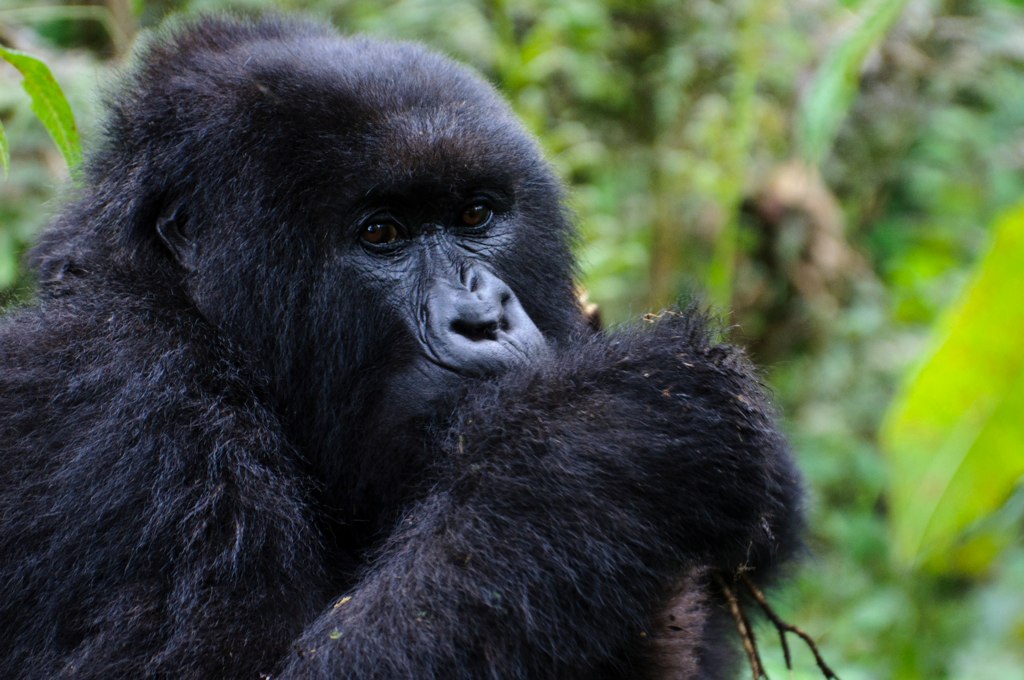
It is important to note that not all gorilla populations have undergone habituation. The majority stay entirely untamed and exceedingly wary upon encountering humans. Wild gorilla groups typically vacate the area upon detecting any intruder in their vicinity. It is crucial to acknowledge that habituated gorilla groups retain their wild nature and may charge at tourists for many reasons, as will be discussed in the subsequent chapters.
Gorillas charging while engaged in gorilla trekking
What prompts gorillas to charge? It is crucial to highlight that gorillas infrequently charge at humans. They act in this manner when provoked or as a defensive response to perceived threats. Prior to disclosing any information, it is essential to note that 99% of gorilla charges are fabricated. A silverback exhibits aggression solely in response to a threat, allowing other family members to find safety. The silverback typically charges as he serves as the protector of the group. He may be accompanied by additional silverbacks in the group, particularly in the presence of a significant threat to the family, such as leopards and poachers.
Prior to being escorted into the forest to view habituated gorilla groups, travelers receive a briefing from the park rangers. This briefing addresses the regulations for gorilla trekking, the members of the specific gorilla group, and their characteristics. The chief guide and park warden ensure that all participants are informed of the appropriate actions to take in the event of a gorilla charge. Upon encountering the primates, the Park Rangers will first assess the group’s demeanor before permitting tourists to commence their observations. Any distressing actions, such as extended chest thumping and atypical vocalizations, may indicate a warning sign.
The minimum age for gorilla trekking is established at 15 to prevent the exposure of immature minors to gorillas. Children are less inclined to adhere to gorilla trekking regulations or maintain composure during a gorilla charge. Minors may also seek to incite the primates.
What prompts gorillas to charge? What provokes a gorilla’s anger?
In the rare case that gorillas charge, they do so for the following reasons: –
- Less frequent encounters with humans even after completing the habituation process.
- A wild silverback taking over a habituated group
- Making sudden and unexpected movements while in the presence of gorillas.
- Putting on clothes with bright colors
- Getting too close to a group member
- Making constant and sustained eye contact with an individual gorilla
- Spending too much time with the group
- Encountering a wild gorilla group which is not habituated
- Loud noise by trackers while close to a gorilla group
- Visiting the gorilla group in large numbers
- Obstructing or surrounding the group whether intentionally or not
- Using flash cameras when taking photos of the group
- Touching a gorilla
- Touching an infant gorilla. The mother and silverback will take non of this.
- A gorilla having a bad day
- A gorilla that has been isolated from the group
- Getting too close to a breast feeding mother
What makes a gorilla angry and beat its chest?
We will now examine each of the aforementioned topics in greater detail:
Reduced interactions with humans following the completion of the habituation process:
Even when a gorilla troop has undergone the habituation process, they may revert to their natural form if human visitation ceases often. This was a significant concern among the tourism sector during the COVID-19 lockdowns. Concerns arose that the prolonged absence of tourists would cause habituated groups to revert to their original wild state. The national parks promptly dispatched teams of Rangers to oversee all habituated gorilla populations. Regularly visiting the habituated groups guarantees their continued comfort in the presence of people.
A wild silverback usurping a habituated troop
A acclimated gorilla troop may abruptly exhibit aggression if a wild silverback assumes control. The newly dominant yet untamed silverback may exhibit aggression towards humans, compelling all members to conform in order to evade provoking the new leader.
What prompts gorillas to charge?
Exhibiting abrupt and unforeseen movements: Although a troop of gorillas may seem to be preoccupied with their activities in the company of tourists, they are simultaneously observing your every action. Any unforeseen movement on your part may notify the primates and provoke them to charge. Consequently, one should refrain from making abrupt movements, even if an insect infiltrates your body while monitoring the primates. Inform the Rangers of any discomfort you experience so they may assist you in discreetly relocating from the family to address the insect or thorn. Avoid making abrupt moves, especially if a gorilla approaches you. Remain inconspicuous, maintain stillness, exhibit submissiveness, and allow the primate to depart autonomously.
Putting on clothes with bright colors
Vivid hues will distinguish you and capture the attention of the primates. Gorillas inhabit a verdant environment characterized by trees. Consequently, they are accustomed to green, brown, and usually muted hues. Approaching them in vivid red, yellow, or other conspicuous colors will ensure you stick out and become the primary target if they become irate. Despite their typical cheerful disposition, they may seek to investigate you among all other trackers. Tourists are typically advised to wear muted colors that harmonize with the forest setting inhabited by the primates.

Getting too close to a group member
As previously said, gorilla groups retain their natural nature despite undergoing the habituation process. Proximity to a gorilla should be avoided, as it may be interpreted as a provocation. Tourists must adhere to the gorilla trekking regulations by maintaining a distance of 7 meters from the nearest gorilla at all times. Should they approach you, discreetly retreat and uphold the advised distance.
Making constant and sustained eye contact with an individual gorilla
In typical human interactions, prolonged eye contact conveys confidence and honesty; however, gorillas perceive it as a challenge. Consider engaging with them to comprehend their emotions, but avoid doing so through eye contact. Gorillas are often reticent and exhibit considerable nuance in establishing eye contact. They hardly sustain prolonged eye contact with one another. Direct eye contact with a silverback or any group member may provoke them to the extent of charging. If you inadvertently make direct eye contact with a primate, avert your gaze instantly.
Excessive time spent with the group
Acquaintance fosters disdain, which is why tourists are permitted to observe the primates for only one hour. Upon the conclusion of your one hour with the primates, depart from the group to prevent causing them discomfort due to your prolonged presence. National Parks permit only a single visit to a specific gorilla group every day to enable them to maintain their natural behaviors and routines. Frequent visits to the same group multiple times daily may become them overly used to humans and heighten the risk of aggressive behavior.
Visiting the gorillas in large numbers
A maximum of 8 travelers may visit a specific group every day. An excessive number of individuals may intimidate the primates and compel them to withdraw. It also enhances the likelihood of charging.
Excessive noise from trackers in close to a gorilla group:
It is essential to maintain silence while observing or in proximity to gorillas. Refrain from producing superfluous noise that could alarm the primates or cause them to perceive you as a threat. Gorillas are adept at recognizing various forest sounds and can readily identify unfamiliar noises. Consistently adhere to the directives of your Guides to prevent creating a disturbance. Utilize subdued vocalizations when monitoring the primates or employ sign language wherever feasible. Only park personnel are permitted to vocalize with the primates. Avoid mocking or mimicking gorilla vocalizations, as you lack understanding of their significance and potential interpretations by the primates.
Encountering a wild gorilla group
As you venture further into the bush in pursuit of a habituated gorilla troop, you may encounter a wild group that seldom interacts with humans. This may be an unsettling encounter. The Park Rangers will be equipped to handle such interactions. Adhere to their recommendations and maintain a safe distance to avert provoking the ire of the wild silverback.
Obstructing or surrounding the group whether intentionally or not
When monitoring a gorilla group in its natural habitat, it is essential to maintain sufficient distance to allow the gorillas to navigate freely in any direction they choose. Should they perceive encirclement, they may aggressively repel you while maneuvering. The most unfavorable outcome is for the silverback to charge. To prevent interference with the gorilla group, national parks mandate that a maximum of 8 tourists may visit a certain gorilla group each day. As previously stated, all individuals must maintain a distance of 7 meters from the nearest primate.
Do not utilize flash cameras when photographing gorillas. The camera’s illumination will provoke curiosity in the primates or even irritate them. Prior to entering the jungle, the Rangers will provide guidance on optimal photography techniques for capturing images of the primates.
Touching a gorilla
After a period of observing a gorilla group, one may become overly comfortable and impulsively attempt to touch one of the individuals, particularly the newborns. Refrain from this action, as the silverback will perpetually observe your actions. Do not touch a gorilla, especially if it approaches you closely. Bear in mind that despite their friendly demeanor and seeming self-sufficiency, they remain wild animals.
A gorilla had a challenging day
Similar to humans, a solitary gorilla may just be experiencing a negative disposition or illness. Internal conflicts frequently occur among gorillas. Individuals who experience defeat may continue to feel unsettled and choose to direct their frustration onto you. Maintain a distance from gorillas that are ill, injured, or agitated. The Rangers excel at recognizing such folks.
A gorilla that has been isolated from the group
There are instances in which one may observe a gorilla who has been momentarily expelled from the group. Certain group members, particularly younger silverbacks, may experience bullying from the dominant silverback. Young yet adult females often engage in conflicts with older females as they vie for the silverback’s attention. A silverback expelled from a certain group may exhibit aggression towards unfamiliar individuals when solitary.
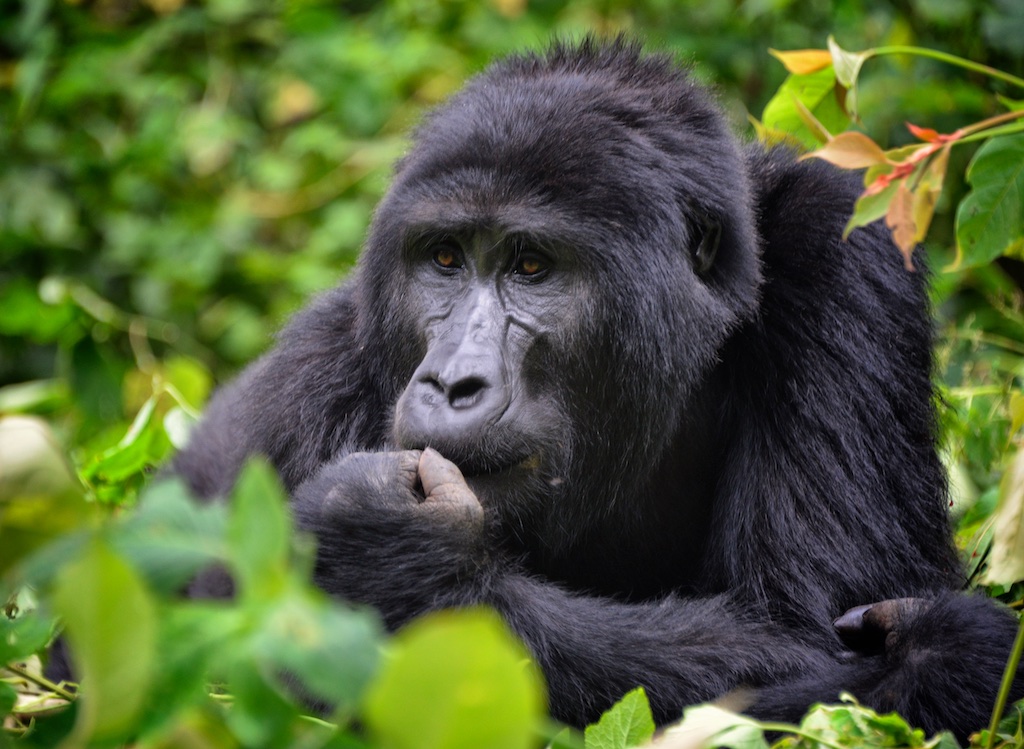
Approaching a breastfeeding mother too closely
Female gorillas exhibit strong protective instincts towards their offspring. Avoid contact with breastfeeding mothers. They exhibit heightened vigilance towards their environment and possess a robust instinct to safeguard their progeny. They may attack unexpectedly or misinterpret some of your actions as a threat to their offspring.
What to do if a gorilla charges
In the unlikely event of a gorilla charging, proceed as follows:
Remain calm and lay low
Assume a subservient posture, as gorillas derive pleasure from a sense of superiority. Feign indifference and direct your gaze towards the trees while maintaining vigilance. Maintain composure and refrain from attempting to flee. A gorilla is swifter than the majority of humans, and fleeing will merely provoke it to pursue you. Maintaining composure and adopting a subdued demeanor will alleviate the primate’s agitation and diminish its perception of you as a threat or rival. Gorillas will not persist in an assault if you maintain composure and exhibit submissive behavior. Avoid direct eye contact with the gorilla and refrain from engaging in combat, as such actions are likely to result in catastrophe. An adult gorilla possesses strength equivalent to that of four mature men and has exceptionally keen teeth. Should the gorilla persist in its hostility, you have armed Rangers available for assistance.
Groom the gorilla
If the gorilla attempts to grasp your hands, do not disengage. Utilize your opposite hand to groom the gorilla. This counsel may prove challenging to execute; nonetheless, constantly bear in mind that a gorilla seeks additional indications of your potential threat. Grooming indicates that one poses no threat and exhibits submissiveness. Exhibiting submissiveness and maintaining composure invariably yields favorable outcomes.
Move away slowly
Once the gorilla has subdued, retreat gradually – one step at a time. Avoid abrupt movements that could be perceived as increased aggressiveness. Ensure adherence to the directives provided by the Rangers/Guides. They possess extensive experience in managing challenging circumstances, including an aggressive gorilla encounter. The Guides will endeavor to protect you should you draw the attention of any members of the gorilla group.
Await assistance from the Guides and Rangers
Always bear in mind that you will be accompanied by armed guards. If the gorilla remains aggressive despite your submissive behavior and adherence to instructions, anticipate intervention from the Rangers for your protection. They will endeavor to divert the gorilla’s attention from you to themselves. Their primary objective is to avoid shooting the endangered primates. Should all else fail, they may discharge a firearm into the sky to deter the primate. We have never encountered a Ranger discharging a firearm into the sky or a gorilla. Demonstrating that you pose no threat is all that a charging gorilla requires. You achieve this by maintaining composure and exhibiting submissiveness.