 info@gorillatrekkinginafrica.com
The Price of Gorilla Trekking in Rwanda and Uganda
The Price of Gorilla Trekking in Rwanda and Uganda, The costs of gorilla trekking is comparatively elevated in relation to other wildlife experiences, as will be elucidated in this article. What is gorilla trekking, and why does it incur higher costs compared to other wildlife activities in Africa? Gorilla trekking is among the most exhilarating wildlife pursuits in Africa. The experience differs from a conventional game drive in the Serengeti, Masai Mara, or Kruger National Park.
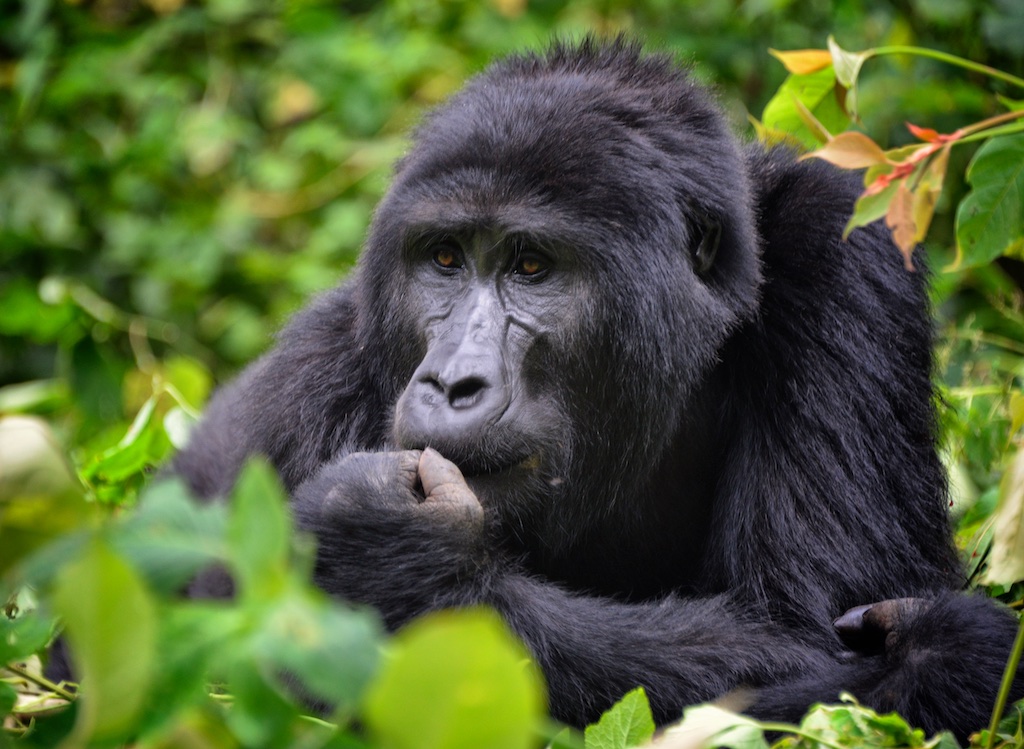
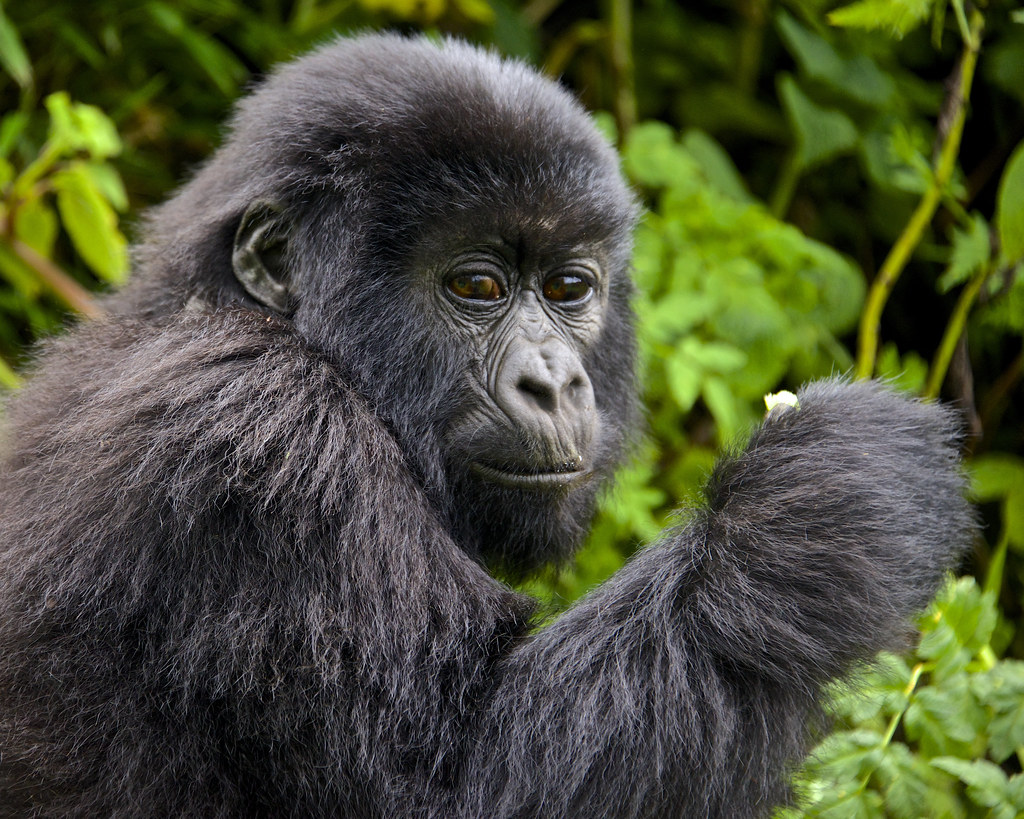
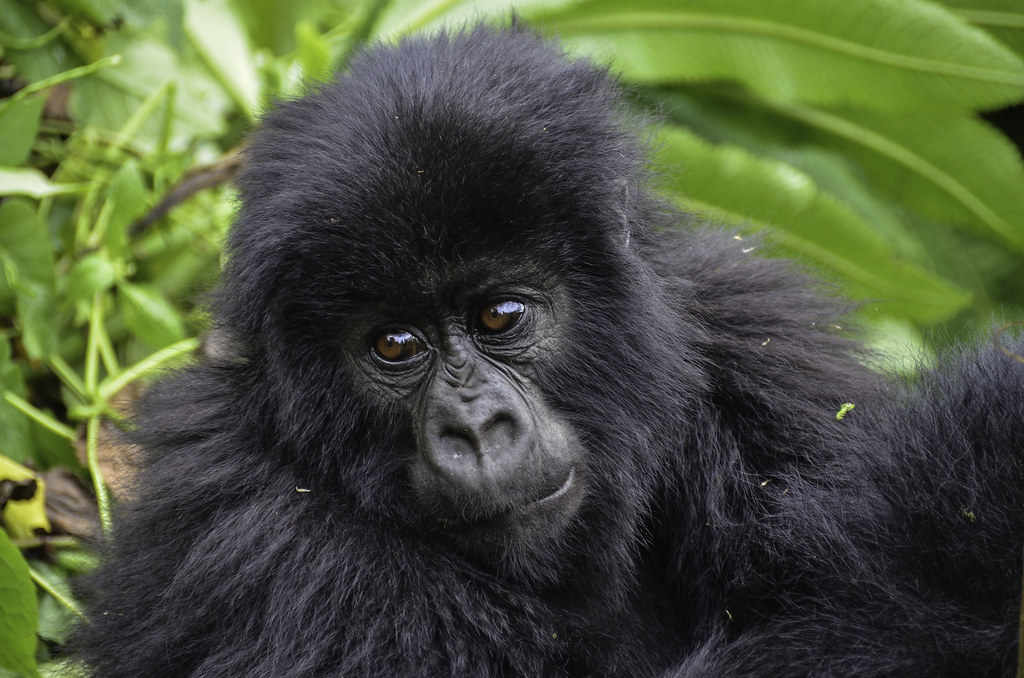
Gorilla trekking is distinctive because to the resemblance in appearance and behavior between mountain gorillas and humans. Their social structure is governed by a dominating silverback that governs all group activities. Observing a family of gorillas engaging in their daily activities in the wild is a unique experience. It resembles a temporal journey to observe the lifestyle of early humans. The breastfeeding mothers, emotional dynamics, grooming behaviors, young juveniles, and social hierarchy will evoke parallels to occurrences inside our own households.
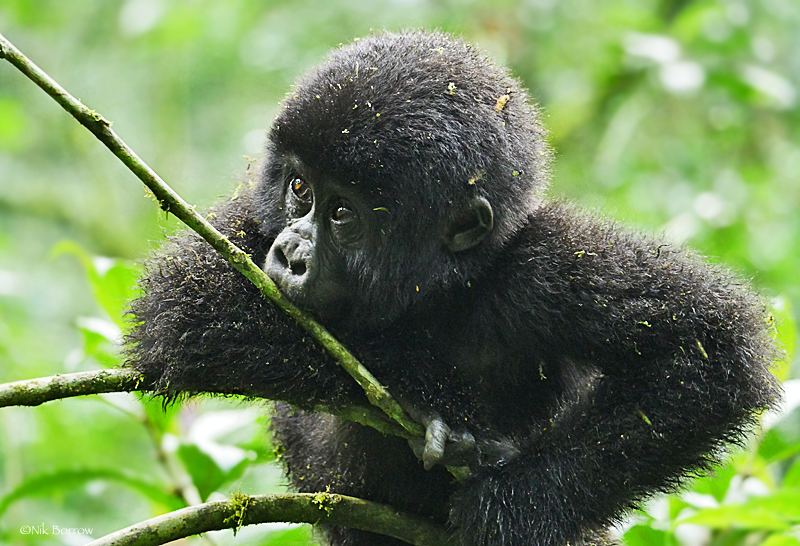
Gorilla trekking is costly due to the endangered status of mountain gorillas, which generates significant demand for viewing opportunities. The substantial influx of tourists seeking to observe wild gorillas has compelled some governments to increase permission fees. The idea of demand and supply is applicable in this context. Increased demand correlates with elevated prices. However, demand is not the sole factor contributing to the elevated price of gorilla trekking permits. Governments require financial resources to safeguard primates, as discussed in another article regarding the ethical implications of gorilla trekking.
Gorilla conservation necessitates substantial investments in research, infrastructure, and personnel, including rangers and scientists. This necessitates financial resources. A portion of the revenue generated from gorilla licenses is allocated to initiatives aimed at safeguarding these magnificent creatures. Typically, 15% of the revenue generated from gorilla licenses is allocated to the government, 10% to local communities, and 75% to gorilla conservation efforts. It is crucial to recognize that a significant reduction in the cost of gorilla permits will result in an excessive influx of tourists, so compromising the overall well-being of the primates. The licenses are very costly to regulate the influx of visitors to the primates.
Mountain Gorilla trekking is exclusively available in Uganda, Rwanda, and the Democratic Republic of Congo. Mountain gorillas in Uganda can be located in Mgahinga and Bwindi National Parks. In Congo, primates inhabit Virunga National Park, but in Rwanda, they reside in Volcanoes National Park. Eastern Lowland Gorilla Trekking is exclusively available in the Democratic Republic of Congo. For Western Lowland gorilla trekking, one must travel the Central African Republic, Congo, Cameroon, Equatorial Guinea, and Gabon.
The Cost of Gorilla Trekking in Uganda, Rwanda, and Congo
The expense of gorilla trekking varies by nation. The cost of gorilla permits constitutes only a small portion of the total expense associated with gorilla trekking. Transportation, housing, meals, visas, airfare, packing lists, porters, and gratuities for the guides must still be taken into account. We shall soon examine each component of the total gorilla trekking expense. We anticipate that at the conclusion of the paper, we will have addressed the following inquiries:
- What is the cost of gorilla trekking?
- What is the expense associated with gorilla trekking?
- What is the cost of a gorilla safari?
- What is the cost of gorilla trekking?
- What is the price range for gorilla trekking?
- What is the cost of gorilla trekking in Rwanda?
- What is the cost of gorilla trekking in Uganda?
- What are the prices for gorilla trekking in Rwanda?
The expense of a gorilla permit: If you intend to engage in gorilla trekking in any of the three nations, it is necessary to obtain a gorilla permit. A gorilla permit is a document that grants access to gorillas in Uganda. Gorilla licenses are priced at $800 in Uganda, $1500 in Rwanda, and $450 in Congo. The elevated cost of Rwanda gorilla permits renders a Rwanda safari more expensive for international travelers. East African nationals can acquire a gorilla permit in Uganda for 300,000 shillings. During off-peak seasons, Gorilla permits in Virunga National Park, Congo, may be available at a reduced price of $250 (This is subject to change). The cost of gorilla trekking in Congo is reduced due to this substantial discount. Rwanda may offer cheap permits for African Union citizens, foreign residents, large groups, conference attendees, families, and anyone engaged in various activities within the country. Uganda currently offers cheap gorilla permits for African Union citizens and visitors residing in East Africa. The expense of gorilla trekking in Rwanda exceeds that in Uganda or Congo primarily due to the purchase of permits.
Participation in the gorilla habituation experience in Bwindi requires a permit fee of $1500. The gorilla habituation experience markedly differs from conventional gorilla trekking. The activity requires a significant portion of the day and entails a minimum of 4 hours in the presence of mountain gorillas, as opposed to the normal one hour permitted for guests during typical gorilla trekking.
A gorilla permit is necessary for gorilla tracking. Participation in the activity is contingent upon presenting your permit to the park authorities. What does the price of a Gorilla Permit encompass? A gorilla permit encompasses one hour of interaction with the gorillas, as well as park entrance and ranger costs.

To acquire a gorilla permit, you must engage with your tour operator or one of the governmental agencies in the relevant nations. The Uganda Wildlife Authority issues gorilla licenses in Uganda, whereas the Rwanda Development Board does so in Rwanda. To arrange a safari in Congo, you may secure a permit from the Virunga National Park website or through your travel operator. It is essential to secure your gorilla permit a minimum of two months prior. For travel during the peak season (June to October), it is advisable to make reservations at least 5 to 6 months in advance to avoid the stress of inquiring about availability from several tour companies.
Accommodation for Gorilla Trekking:
An essential factor to contemplate while organizing gorilla safaris is the cost of lodging. All gorilla national parks provide high-quality lodges. Your selection of lodging will be contingent upon your financial constraints. Quality budget accommodations range from $50 to $130 per night. Quality mid-range hotels run from $150 to $200. Luxury hotels range from $450 to $5,500 per night. Travelers may independently reserve these hotels if they intend to self-drive; however, the majority opt to book through a reputable tour company. When booking a hotel independently, verify that it is situated in proximity to the designated starting point of the assigned gorilla family or district. Booking too long in advance may result in your inability to attend the briefing punctually, so causing you to miss the trek. This underscores the importance of booking your gorilla excursion with a reliable tour operator. This tip is highly relevant for anybody intending to engage in gorilla trekking in Uganda. Gorillas in Uganda inhabit multiple regions inside Bwindi National Park. Bwindi is a large park, and traversing from one sector to another may necessitate many hours on rugged terrain.
The expense of sustenance: In addition to lodging and gorilla permits, one must account for expenditures on food, beverages, and especially water. The hotels offer this service; however, you will require water and food while outside the hotel or during travel. Food and beverages should amount to approximately $40 daily if you are traveling solo. If you intend to purchase costly alcohol or cigars, you may need to budget for them independently. There is no need to concern yourself with food if you arrange your holiday through a tour operator. The employer must provide food and drink during hotel stays and when commuting between activities. A pertinent article regarding the expenses associated with a safari in Uganda is available for reading.
The expense of transportation (airfare and vehicle rental): Following the acquisition of gorilla permits and the selection of accommodation, the subsequent consideration is the means of reaching the gorilla park. Airfare to and from your nation of origin may range from $600 to $2500, contingent upon the selected carrier. If you intend to reserve chartered flights from within the gorilla trekking region, you may need to allocate an additional $600. If internal flights exceed your budget or you like to explore more of the African countryside, traveling by vehicle from the airport is strongly advised. Renting a vehicle in Rwanda and Uganda will incur a daily expense of $70 to $150, excluding petrol and the driver. Anticipate extensive travel durations, particularly when traversing Uganda and Congo. The journey from Entebbe International Airport to Mgahinga and Bwindi Impenetrable Park requires approximately 8 to 10 hours of driving. The driving distance from Kigali International Airport to Volcanoes National Park is three hours. Individuals opting for gorilla trekking in Virunga National Park must first arrive in Kigali and subsequently travel to the Congo border, a journey that typically requires approximately four hours.
Organizing a personal trip in a new and developing nation might be intricate. This is why most travelers delegate transportation, permits, and housing arrangements to their selected tour operators, leaving them only responsible for their presence. It is noteworthy that few tour companies procure air tickets for their clientele. Consult your tour organization to determine if they can assist you with booking flights to and from your place of origin.
The cost of gorilla trekking in Uganda includes expenses for essential goods on the packing list: To optimize your experience when tracking and observing the gorillas, it is advisable to carry a quality camera, bug repellent, sunscreen, hiking boots, gloves, binoculars, and a rain jacket. These are all concealed expenses that must be considered in addition to the gorilla permit itself. Consider further exploring the goods suggested in the gorilla trekking packing list.
Visas and border crossings:
Gorilla climbing frequently necessitates traversing borders among Uganda, Rwanda, and Congo. For gorilla trekking in Congo, anticipate crossing the Goma border post with a visa fee of $100. Individuals who consider the cost of gorilla permits in Rwanda prohibitive may opt for more economical gorilla trekking in Uganda, entering through Kigali to circumvent the eight-hour drive from Entebbe to the park. Gorilla hiking from Uganda via Kigali necessitates a Visa charge of $50 at either the Katuna or Cyanika border crossings. The East African tourist visa is available for $100 for individuals participating in safaris throughout multiple East African nations. Tanzania has not yet joined the East African Visa initiative.
Yellow Fever vaccination card:
Although it may appear insignificant, it is a prerequisite for entry into Uganda and Congo. Reviews on gorilla trekking indicate that yellow fever vaccination cards are essential documentation required at airports and border crossings. When planning to travel to numerous African nations, it is essential to account for the expense of vaccinations. Rwanda does not mandate the yellow fever vaccination for entry into the country.
Expense of porters (particularly for older travelers): If you are journeying with substantial equipment, luggage, or video cameras, it is necessary to get a porter to assist in transporting these items while trekking to see the gorillas. An elder participating in Gorilla Trekking might assist by carrying packed lunches and providing support throughout challenging segments of the climb. Gorilla trekking for the elderly is more complex, as it necessitates the use of sedan chairs and the employment of approximately eight porters to transport them to the tracking location. The expense to hire a Sedan chair along with the porters for transportation is approximately $400. Porters reside near the gorilla parks, and some were formerly engaged in poaching. Some of the porters are students seeking funds to supplement their tuition, while others are parents aiming to earn money for sustenance. Employing these porters enhances their overall welfare and indirectly enables them to provide for their families. The cost of hiring a porter is approximately $15, and they are available at the park offices or during the briefing. You may be interested in the allocation process of gorilla groups to travelers.
Recommendations for the Guide/Driver, Park Rangers, and Hotel Staff: Occasionally, hotel personnel, guides, rangers, and waitstaff exert considerable effort to ensure your experience with them is unforgettable. As a gesture of gratitude, you may choose to express your appreciation for their efforts by providing a tip. The quantity is wholly contingent upon you. Tipping while gorilla trekking is not obligatory and should only be given after services are delivered to your satisfaction.
The expense of gorilla trekking is contingent upon the number of days allocated for the activity. A one-day gorilla excursion in Uganda will cost approximately $1350 per person when traveling with a companion. A two-day gorilla excursion in Uganda will cost approximately $1500 per person when traveling with a budget companion. The three-day gorilla tour in Uganda will cost $1,650 per person when traveling with a budget companion. To estimate your total expense for tracking gorillas in Rwanda, add $800 to the aforementioned prices. Luxury gorilla trekking vacations range in cost from $1,800 to $7,000, contingent upon the selected lodging. The stated rates exclude airfare, gratuities, alcoholic drinks, and other expenses deemed personal.
Traveling solo incurs more costs as one must individually cover expenses for transportation, lodging, and fuel. Furthermore, it is essential to acknowledge that organizations incorporate markup prices into the total trip expenses to accommodate administrative services (guides, office personnel, operational functionality, and taxes).
What strategies might be employed to reduce expenses associated with gorilla trekking? One option is to engage in gorilla trekking in more affordable locations such as Uganda and the Democratic Republic of Congo. Another option is to request your tour operator to provide you with the most economical lodgings. Refrain from traveling solo to facilitate the sharing of transportation, lodging, and fuel expenses with your partner or companion. Traveling during off-peak seasons, such as the rainy season, allows for fewer tourists in the country. Accommodation options may be more economical, with discounts available for hotels and gorilla permits in nations such as the Democratic Republic of Congo. Utilizing public transit might save expenses; yet, it entails risks due to the lack of control over departure and arrival times. Public buses in Uganda, Rwanda, and Congo are consistently tardy in their departures and arrivals. You may arrive late for the briefing at the park headquarters or miss the activity entirely. Participation in the activity is essential due to the high cost of gorilla permits. Furthermore, there is no assurance that you will be able to acquire one for the following day, even if you desire to do so.
Alternative methods for reducing expenses include refraining from utilizing chartered planes domestically. The majority of chartered flights are too costly. The elevated expenses of domestic flights stem from the limited number of local travelers utilizing air transport. The limited number of local travelers may have compelled airlines to increase prices for international travelers. Traveling by road may require many hours, although it offers a unique opportunity to appreciate the tourists engaged in Gorilla Trekking, the African countryside, picturesque landscapes, and the local populace in their daily activities. The most effective method to understand a country is through the observation of its urban areas and rural landscapes. Finally, endeavor to compare prices from several tour companies. Avoid opting for the least expensive option, as it may lead to subsequent regret. Select a tour operator that offers competitive costs while ensuring high-quality services. The tour operator must include essential trip components, including food, lodging, water, fuel, a driver/guide, and a vehicle. Request that they provide information regarding the accommodation alternatives. Numerous tour providers make grand promises yet fail to provide quality in terms of experienced drivers, vehicles, accommodations, etc. Engage a tour operator capable of securing quality lodging, even at a marginally elevated cost. The selection of a hotel is crucial and can significantly influence the outcome of a vacation. Avoid compromising your holidays in an attempt to save a small amount of money.