 info@gorillatrekkinginafrica.com

A day in life of a gorilla ranger guide in Uganda and Rwanda.
A day in the life of a Gorilla Ranger Guide in Uganda and Rwanda is an exhilarating and fulfilling experience that integrates adventure, conservation, and education. The day commences early, prior to dawn, as the ranger guide readies for another day of tracking and observing the magnificent mountain gorillas in their natural environment. Following a brief breakfast, the guide convenes with a team of trackers, porters, and visitors at the park headquarters, where they receive a training on the day’s schedule and safety standards for gorilla trekking.
The team embarks into the deep rainforest, equipped with backpacks with essentials like food, water, first aid kits, and communication equipment, as they navigate narrow pathways and steep hills in pursuit of the mountain gorillas. During the journey, the guide imparts information regarding the gorillas’ habitat, habits, social structures, and the conservation measures implemented to safeguard these endangered species.
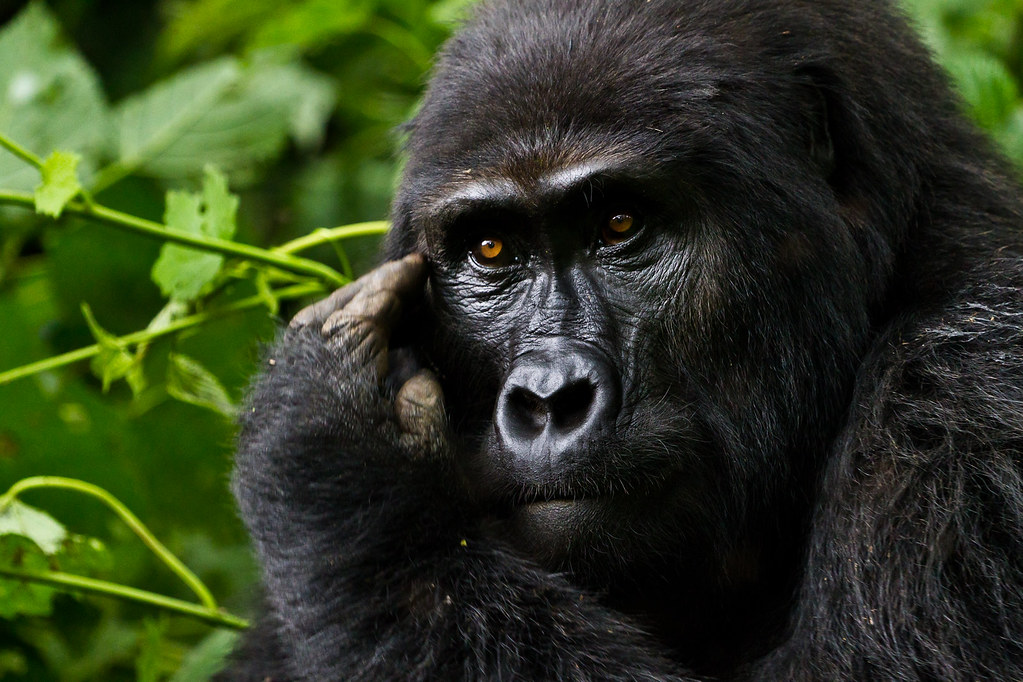
Following several hours of trekking, the tram ultimately arrives at the gorillas, and the guide successfully directs the party to a secure and respectful vantage point, allowing them to witness these remarkable creatures in their natural habitat. During the subsequent hour, the guests are captivated by the gorillas’ friendly interactions, playful behaviors, and inquisitive disposition, while the guide offers informative comments and addresses inquiries. Upon the completion of the hour, you will return to the park headquarters, where narratives and thoughts on the day’s experiences will be exchanged.
The ranger guide is essential for safeguarding the safety and welfare of tourists and gorillas, while also fostering conservation awareness and endorsing sustainable tourism that preserves these remarkable animals and their environment. As the day concludes, the guide returns home, fatigued yet gratified, aware that they have positively influenced the lives of the gorillas and the individuals who have come to appreciate them.
Who is a gorilla ranger guide in Uganda and Rwanda.
A gorilla ranger guide in Uganda and Rwanda is a highly skilled and committed specialist essential for the conservation and management of mountain gorilla populations in these nations. National parks and wildlife organizations, like the Uganda Wildlife Authority and the Rwanda Development Board, utilize these guides to lead and accompany tourists on organized treks to track and watch mountain gorillas in their natural environments. Gorilla ranger guides have extensive training and must demonstrate knowledge of gorilla behavior, environment, and ecology, along with exceptional communication and interpersonal abilities. They are tasked with safeguarding the safety and welfare of both tourists and gorillas, while delivering instructive and instructional insights regarding the gorillas’ behavior, environment, and conservation status. Gorilla ranger guides participate in monitoring gorilla populations, documenting their travels, and reporting any changes or concerns, so informing conservation and management decisions.
Moreover, they frequently act as representatives for their nations and communities, fostering cultural interchange and comprehension between visitors and residents. Through the dissemination of their expertise and enthusiasm for gorilla conservation, these guides motivate tourists to champion gorilla preservation and endorse sustainable tourism methods that advantage both local populations and the ecosystem. Gorilla ranger guides are exemplary conservationists, diligently safeguarding mountain gorilla populations and fostering sustainable tourism and community development in Uganda and Rwanda.
Roles of a gorilla ranger guide in Uganda and Rwanda.
The responsibilities of a gorilla ranger guide in Uganda and Rwanda are diverse and challenging, necessitating a distinctive combination of technical proficiency, physical endurance, and interpersonal abilities. Gorilla ranger guides are tasked with leading and accompanying tourists on treks to track and observe mountain gorillas in their natural habitats, while assuring the safety and welfare of both the tourists and the gorillas. This entails delivering useful and educational insights regarding gorillas’ behavior, habitat, and conservation status, in addition to disseminating knowledge about the area flora and wildlife.
Moreover, gorilla ranger guides are responsible for monitoring gorilla populations, documenting their travels, and reporting any changes or concerns, so informing conservation and management decisions. They serve a vital role in enforcing park regulations, avoiding habitat degradation, and alleviating human-wildlife conflict. Additionally, gorilla ranger guides frequently act as ambassadors for their nations and communities, fostering cultural interaction and comprehension between tourists and locals, while endorsing community-based tourism projects that benefit local populations and aid in conservation efforts.
They will also engage in conservation education and outreach initiatives, collaborating with local schools, communities, and stakeholders to advocate for gorilla conservation and sustainable livelihoods. Additionally, gorilla ranger guides are responsible for delivering emergency response and first aid services in the event of accidents or injuries, as well as partnering with other park personnel, researchers, and conservationists to enhance gorilla conservation and management efforts. The responsibilities of a gorilla ranger guide in Uganda and Rwanda are essential for the conservation and management of mountain gorilla populations, necessitating a dedication to conservation, community involvement, and sustainable tourist practices.
Where to do gorilla trekking in Uganda.
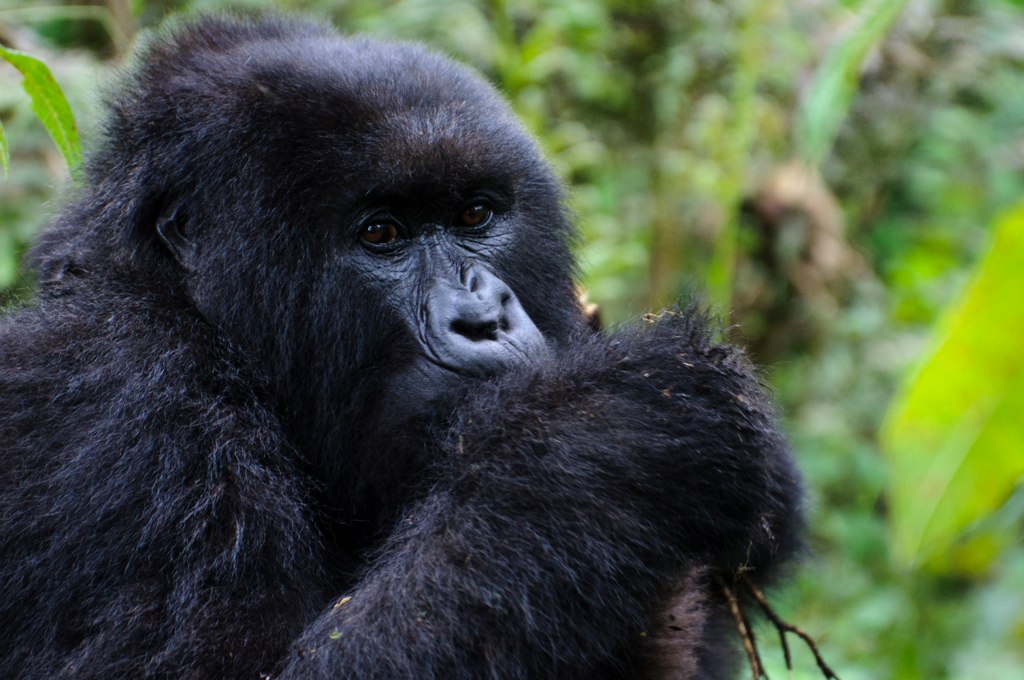
Initiating a gorilla trekking safari in Uganda constitutes a once-in-a-lifetime experience, with the nation providing numerous outstanding locations to observe these magnificent beings in their natural environment. For an exhilarating dual-destination safari, contemplate Bwindi Impenetrable National Park or Mgahinga Gorilla National Park, both of which are among Uganda’s most esteemed gorilla trekking locations. Bwindi, a UNESCO World Heritage Site located in the southwestern region of the country, is home to around 468 mountain gorilla s, organized into various habituated groups, each possessing distinct traits and dynamics. The park’s dark, mist-enshrouded forests provide a striking and personal environment for gorilla trekking, characterized by steep inclines, restricted pathways, and glistening waterfalls that form a stunning backdrop for your interaction with these remarkable beings. Bwindi comprises four primary gorilla trekking sectors: Buhoma, Ruhija, Rushaga, and Nkuringo, each with unique characteristics and benefits.
Mgahinga Gorilla National Park, situated in the far southwestern region of Uganda, offers an exceptional opportunity for gorilla trekking, making it a premier safari destination. Despite being smaller than Bwindi, Mgahinga Gorilla National Park hosts a habituated troop of mountain gorillas and provides a distinctive trekking experience amidst breathtaking volcanic landscapes, with the Virunga Mountains serving as a magnificent backdrop. By merging these two sites, you will get the opportunity to observe gorillas in distinct habitats, experiencing the unique attributes of each park and enhancing your awareness of these remarkable creatures and their environments. A gorilla trekking safari in Uganda, whether traversing the dense forests of Bwindi or exploring the volcanic terrains of Mgahinga, guarantees an unforgettable experience, providing a unique opportunity to observe these remarkable creatures in their natural habitat while immersing oneself in the country’s breathtaking natural beauty and rich cultural heritage.
Where to do gorilla trekking in Rwanda.
Embarking on a gorilla trekking safari in Rwanda constitutes a once-in-a-lifetime adventure, as the nation provides an exceptional site to observe these magnificent creatures in their natural environment. Volcanoes National Park, situated in northwestern Rwanda, is an exceptional safari destination for gorilla trekking, providing a unique opportunity to track and see mountain gorillas in their native habitat. Volcanoes National Park features multiple gorilla trekking trails, each providing a distinct experience and differing degrees of difficulty.
The most renowned trails encompass the Sabyinyo, Amahoro, and Susa groupings, each with unique characteristics and benefits. The Sabyinyo group is recognized for its considerable size and varied age range, whilst the Amahoro group is renowned for its peaceful and tranquil disposition. The Susa group is the largest and most diversified, providing an exhilarating trekking experience. Whichever trail you select, a gorilla trekking safari in Volcanoes National Park provides an unforgettable experience and a unique opportunity to observe these remarkable creatures in their natural habitat, while also engaging with Rwanda’s breathtaking natural beauty and rich cultural heritage. Under the guidance of skilled trackers and park rangers, you will be assured a secure and pleasurable trekking safari experience as you navigate the park’s difficult terrain and observe the grandeur of the mountain gorillas at close range.
Gorilla trekking experience in Rwanda and Uganda.
The gorilla trekking trip in Uganda and Rwanda commences early in the morning at the park headquarters. You will receive information regarding the rules and regulations for gorilla trekking from expert guides and park rangers. Subsequently, you will be organized into groups of eight, each led by knowledgeable guides and rangers familiar with the trekking trails. You will subsequently investigate the verdant rainforest in either Bwindi Impenetrable National Park or Mgahinga Gorilla National Park in Uganda, or Volcanoes National Park in Rwanda.
Gorilla trekking in Rwanda and Uganda lasts approximately thirty minutes to six hours, contingent upon the gorillas’ location, as these animals continuously traverse in search of sustenance. During the trek, one will encounter a variety of captivating animal species, avian species, flora, arboreal species, and butterflies, among others. Upon locating the gorillas, you will have a duration of one hour to observe the mountain gorillas, including their breastfeeding behaviors, nest-building activities for the night, maternal grooming of their offspring, and feeding habits. During this hour, you may capture photographs and record videos of the gorillas, utilizing cameras with minimal flash, as flash photography disturbs the mountain gorillas. Upon completion of the one-hour trip, you will be returned to the starting area, where you will receive certificates for your participation in gorilla trekking.
Best time to do gorilla trekking in Uganda and Rwanda.
The optimal period for gorilla trekking in Uganda and Rwanda is during the dry season, which spans from June to August and from December to February. These months often feature dry and sunny weather, characterized by reduced rainfall, rendering them optimal for trekking in the dense woods and hilly landscapes of Bwindi Impenetrable National Park, Mgahinga Gorilla National Park, and Volcanoes National Park. The arid circumstances facilitate the visibility of gorillas, as the underbrush is less dense and the gorillas typically gather in fewer locales, rendering them more accessible to trekkers.
Furthermore, the dry season provides improved road conditions, minimizing the likelihood of delays or cancellations caused by adverse weather. The wet season, occurring from March to May and September to November, complicates gorilla trekking due to slippery and muddy terrain, heightening the risk of accidents and hindering gorilla visibility. Nonetheless, it is important to acknowledge that the rainy season presents many benefits, including reduced costs for trekking permits and a diminished influx of tourists, resulting in a more tranquil and intimate experience. The optimal period for gorilla trekking in Uganda and Rwanda is contingent upon individual choices and priorities; nonetheless, the dry season is typically regarded as the most favorable time for this remarkable experience.