 info@gorillatrekkinginafrica.com

Rwanda’s Genocide Memorial Centers
Rwanda’s Genocide Memorial Centers, the Rwanda Genocide Memorial centers commemorate the 1994 civil conflict that resulted in a significant loss of life over a span of fewer than 100 days. This genocide commenced in April 1994 and concluded in June 1994, resulting in the horrible murder of about 800,000 individuals. The genocide involved a conflict between the two predominant ethnic groups of Rwanda: the Hutu, who were numerically superior, and the Tutsi. 85% of the Rwandan population consisted of Hutus, while the Tutsi, albeit smaller in number, were the ruling ethnicity.
In 1959, the Hutu society usurped the Tutsi leadership, prompting many Tutsis to seek asylum in neighboring nations, namely Uganda. In late 1990, the exiled Tutsi established a rebel faction called the Rwandan Patriotic Front (RPF) and launched an assault on the nation until a peace agreement was concluded in 1993, bringing the conflict to a close. On 6th April 1994, a day annually commemorated in the country to honor the genocide, an airplane transporting the then-ruling President Juvenal Habyarimana and his associate Cyprien Ntaryamira from Burundi was shot down, resulting in the fatalities of all individuals on board. Both individuals were Hutus, and the Hutu community harbored resentment, attributing the incident to the Tutsi rebel faction, while the rebels contended that it was merely a defensive response by the Hutus seeking to initiate genocide.
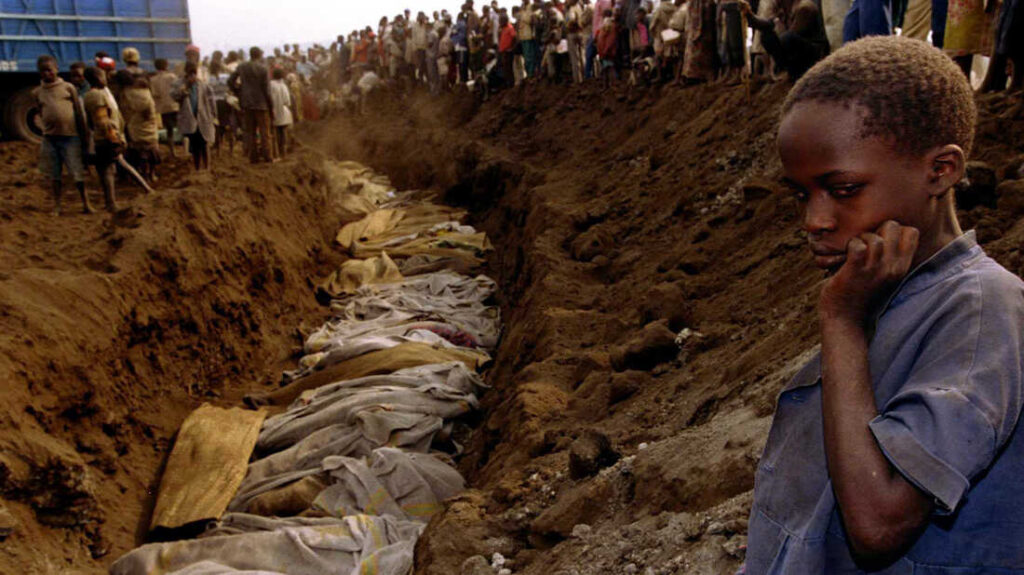
This period was marked by profound darkness and critical turmoil for the nation, as individuals turned against one another, resulting in numerous fatalities. Tutsis were brutally massacred in broad daylight by Hutus, amidst pervasive animosity throughout the country. Decomposing bodies littered the streets, and by the conclusion of this violent episode, approximately 800,000 Tutsis had perished, along with a number of Hutus.
The RPF persisted in their struggle for their people, supported by the Ugandan army, until they captured Kigali, compelling the Hutus to escape to neighboring countries, namely DR Congo, Tanzania, and Burundi. This campaign was led by President Kagame, who has guided this small nation towards prosperity and recovery from the guerrilla conflict. The darkness that descended upon this nation is indelible; so, genocide memorial centers have been constructed and maintained around the country to enhance the experience of a Rwanda safari.
These genocide memorials serve as a reminder to the Rwandan populace to uphold peace and prevent recurrence, while also functioning as sites of sadness and commemoration, attracting both Rwandans and international visitors who pay their respects annually in April. Several genocide memorials available for visitation in Rwanda, contingent upon your location, include the following.
Kigali Genocide Memorial Centre
The Kigali Genocide Memorial downtown is the most frequented and largest of the Rwanda Genocide Memorials, mostly due to its ideal position in Gisozi, just a 10-minute drive from the downtown of Kigali. At this site and in the mass graves, 250,000 victims of the Rwandan genocide are interred, allowing relatives to pay their respects. The Kigali Genocide Memorial Center is operated by a UK non-governmental organization committed to eradicating genocides globally.
Numerous exhibitions are available for visitation, featuring the skulls of victims, their personal effects, and documented photographic moments. Additionally, one can observe many photographs and accounts of genocides that have occurred globally, as well as plaques bearing the names of documented genocide victims. If you are interested in this history, this genocide memorial is the most accessible in Rwanda, so make sure to include it in your safari itinerary.
Murambi Genocide Memorial Site
The Murambi Genocide Memorial is situated in Murambi town. Visitors should be prepared for a poignant experience, as the skeletal remains of genocide victims are shown, creating a stark and realistic portrayal of the tragedy. The remains and skeletons remain in their natural condition, allowing for easy identification by acquaintances upon visitation.
A mass grave exists here, and the memorial is situated on the site of the former Murambi Technical School, where the Hutus sought safety, only to discover it was a trap. The formerly utilized classrooms are now exhibition spaces for this memorial.
Nyamata Genocide Memorial
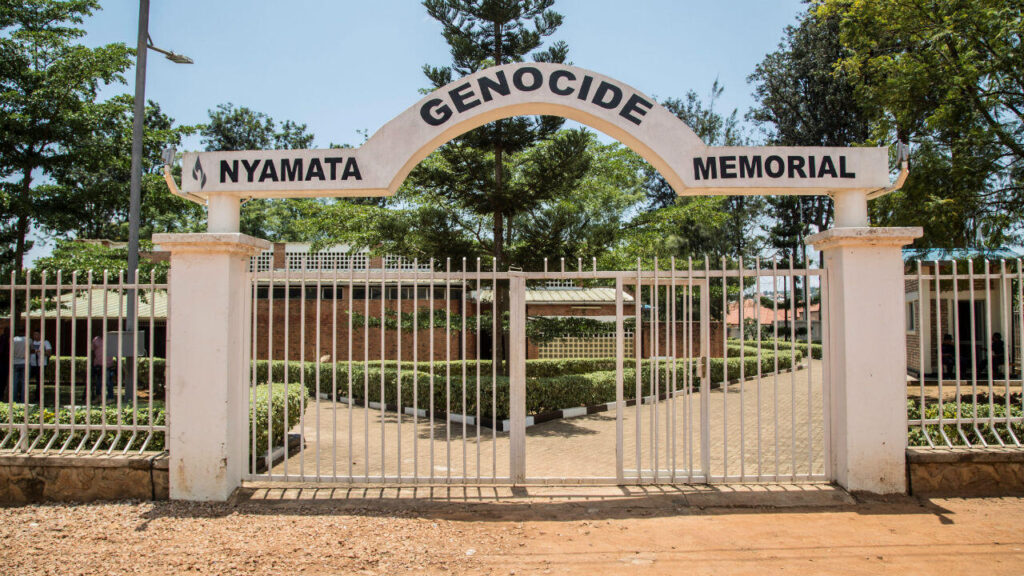
The Nyamata Genocide Memorial is situated 30 kilometers from Kigali in Bugesera, to the south of the city. This memorial is situated on former church territory and honors about 25,000 Rwandans who perished in the genocide. This church served as a lethal trap for the Tutsis seeking sanctuary, as they were assaulted by Hutu militants who bombarded the location and massacred the others.
This site is a grim location, featuring personal belongings, national IDs on the church pews, and bloodstains throughout. Additionally, the preserved altar fabric exhibits bloodstains from the violent events that transpired here. The mass graveyard is located adjacent to the church. This can be accessed from or to Nyungwe Forest National Park.
Nyanza Genocide Memorial Site
The Nyanza Genocide Memorial is a site of genocide located in Kigali city, specifically on the premises of the School of Technology Office in the Kicukiro neighborhood. This is the venue for the yearly “Kwibuka” event, commemorating the genocide each April. This memorial has around 10,000 graves of Tutsi individuals who were under Belgian protection but were forsaken as the genocide escalated, while some were flown to safety.
Bisesero Genocide Memorial
The Bisesero genocide memorial is a modest site containing graves of around 40,000 individuals who perished there. The Tutsi people encamped here and endeavored to repel the Hutu assailants with stones and sticks, which is the narrative this place embodies.
Ntarama Genocide Memorial
The Ntarama genocide monument is an accessible sight, located within an hour’s drive from Kigali city. It was a Catholic church where over 5,000 individuals were murdered, and it is rather tiny, being a local parish in comparison to other memorial grounds.
The structure housing the Tutsi was dismantled by the Hutu, allowing them access to the Tutsi, whom they subsequently killed.
Nyarubuye Genocide Memorial
The Nyarubye genocide memorial, the smallest of its kind, is situated 140 kilometers from Kigali and contains the graves of around 2,000 individuals. The former mayor of the Nyarubuye district, a Hutu, was purportedly responsible for authorizing and supplying firearms for the extermination of Tutsi individuals in the area.
Years later, this genocide memorial has been converted into a church, accessible to the local populace for prayer, situated adjacent to the memorial. A Rwanda safari is not complete without visiting one of these sites to witness the significant development this little nation has made since its tumultuous past. Contact us to arrange a visit to any of the Genocide memorials.