 info@gorillatrekkinginafrica.com

Lake Shakani in Akagera National Park
Lake Shakani is a picturesque and tranquil body of water located in Akagera National Park, in the eastern region of Rwanda, adjacent to the Tanzanian border. Akagera is the largest national park in Rwanda, recognized for its distinctive amalgamation of savanna, marsh, and lake ecosystems. It encompasses over 1,000 square kilometers, rendering it one of the most environmentally diversified regions in the nation. Although Lake Shakani is smaller than some of the park’s other lakes, it serves a vital role in the park’s ecosystem and is a significant attraction for both wildlife and tourists.
The lake is situated inside a scene of verdant wetlands and dense papyrus reeds, encircled by grassy plains and savanna. It is a freshwater lake that forms part of a network of interconnecting water bodies inside Akagera, nourished by the Kagera River, which originates from Lake Victoria. The park’s waters, including Lake Shakani, serve as essential habitats for several animal species and enhance the region’s overall biodiversity. The lake is particularly vital for aquatic creatures and functions as a crucial resource for the adjacent flora and fauna.
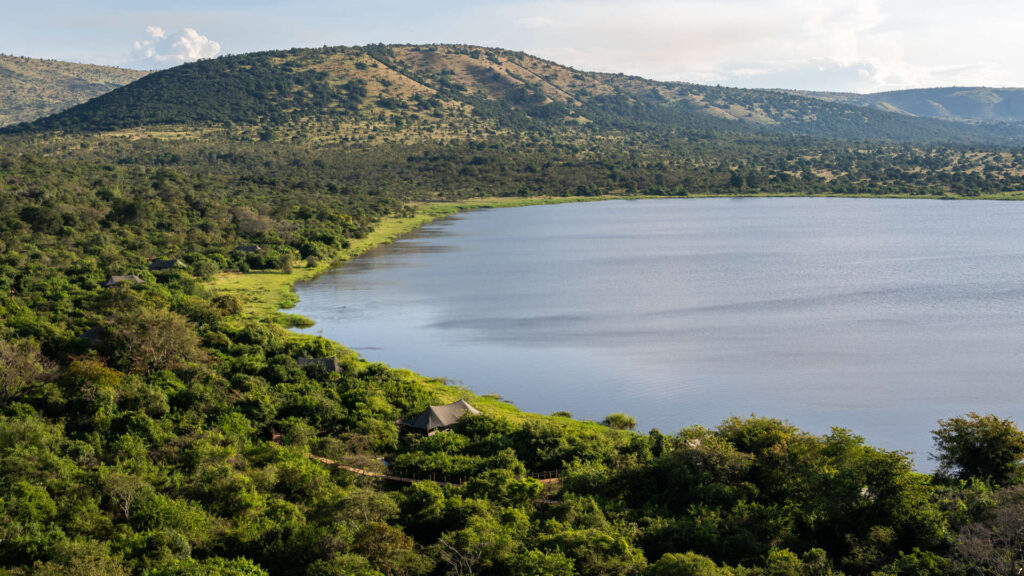
The lake hosts various aquatic animals, including hippos and crocodiles, frequently observed sunbathing on the shoreline. It also accommodates a diverse array of avian species, including the African fish eagle, herons, egrets, and kingfishers. The wetlands surrounding Lake Shakani are essential for migrating birds that halt here during their seasonal migrations, rendering it a great location for birdwatching aficionados. The region adjacent to the lake offers abundant grazing areas for herbivores, including zebras, giraffes, and antelope, which visit to drink and feed on the surrounding grasslands.
Sport Fishing at Lake Shakani
Sport fishing, or recreational fishing, is an expanding pursuit at Lake Shakani within Akagera National Park. Sport fishing, as an element of the park’s ecotourism initiatives, offers visitors a distinctive opportunity to appreciate the lake’s natural beauty while participating in an outdoor activity. The tranquil waters of Lake Shakani, encircled by fauna and vivid scenery, render it a soothing yet exhilarating locale for anglers. The lake’s abundant biodiversity, with several fish species, enhances its allure for sport fishing aficionados.
Lake Shakani hosts various species of freshwater fish, including tilapia, catfish, and barbel. These fish are sought-after targets for sport fishing, and the chance to capture them in the tranquil, crystalline waters of the lake provides a genuine African fishing experience. Fishing activities are generally conducted from small vessels, enabling guests to navigate the lake’s periphery and identify optimal locations for throwing their lines.
Catch and release procedures are frequently advocated to preserve the health of fish populations and safeguard the lake’s environment from adverse effects of fishing activity. By practicing sustainable fishing, visitors can engage in sport fishing while preserving the aquatic ecosystem. The tranquil environment of Lake Shakani, along with the chance to fish and appreciate the natural landscape, renders sport fishing an exemplary pursuit for travelers seeking a distinctive and pleasurable connection with nature.
Fishing Regulations and Sustainable Methods
Sport fishing at Lake Shakani is governed to maintain the sustainability of the lake’s aquatic ecosystems. Akagera National Park has implemented regulations to oversee fish populations and safeguard the lake’s ecosystem. These regulations mitigate overfishing and guarantee the sustainability of fish species.
Fishermen must comply with specific regulations, including limitations on fishing gear, designated fishing areas inside the lake, and permissible fish species for capture. Catch restrictions and the enforcement of catch-and-release methods facilitate a balance between recreational fishing and ecological preservation. Sport fishing visitors are urged to honor the environment and adhere to the park’s regulations to mitigate their impact on the fragile ecosystems of Lake Shakani.
Additionally, the local people adjacent to Akagera National Park contribute to the management and conservation of the lake’s resources. The park management collaborates with local fisherman to promote sustainable methods that benefit both the community and the park’s fauna. By engaging local communities, the park cultivates a sense of stewardship and accountability for the natural environment, thereby safeguarding the lake and its resources for posterity.
An Exceptional Experience for Tourists
Sport fishing at Lake Shakani provides tourists with an opportunity to appreciate the splendor of Rwanda’s landscapes from an other vantage point. Although the majority of tourists to Akagera National area seek to observe wildlife and participate in conventional game drives, sport fishing offers a more tranquil and contemplative means of experiencing the area. It enables travelers to decelerate and savor the tranquility of the lake, the splendor of the adjacent marshes, and the auditory ambiance of nature.
For fishermen, the chance to fish in a visually stunning and ecologically diverse setting is a unique and gratifying experience. The tranquil ambiance of Lake Shakani, along with the opportunity to capture indigenous fish species, renders sport fishing an appealing choice for anyone seeking a more leisurely, nature-oriented experience during their stay in Akagera.
The presence of surrounding fauna enhances the immersion of sport fishing at the lake. During fishing, tourists may observe hippos in the river, crocodiles basking on the banks, and several bird species soaring above. The amalgamation of fishing and animal observation renders Lake Shakani an exhilarating and unforgettable locale for vacationers.
Other activities to do in Lake Shakani
Bird watching
This lake resonates with feathers. Herons, kingfishers, and elusive papyrus birds flit among the reeds. The illumination here renders each wingbeat beautiful, and even a basic pair of binoculars can transform your morning into a quest for treasures.
Camping by the Lakeside
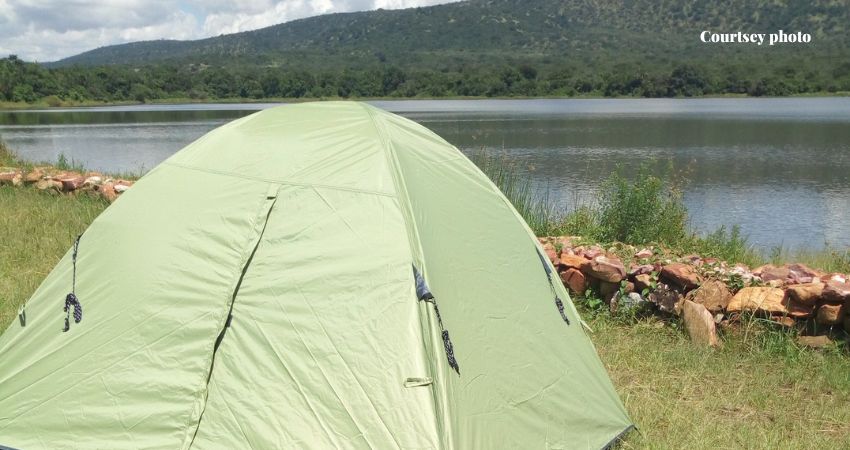
The camping is rudimentary, yet it enriches the experience. You slumber beneath the stars, cleanse in solar showers, and perceive every sound of the wilderness symphony. It is a form of camping that results in a dusty appearance and a sense of joy.
Why Visit Lake Shakani?
Shakani lacks ostentation. That is the crux of the matter. It provides you with the opportunity to exhale. It provides you with silence—not the vacuous variety, but the type that enriches you. You arrive here to evade the checklist. No obligation to “experience everything.” Simply cast a line, savor your tea, and allow the lake to reveal today’s significance. You share it with the avifauna, the waterbuck, and the zephyr. Not throngs.
Best Time to Visit Lake Shanki
Travel between June and September or from December to February. Arid conditions facilitate camping, enhance fishing experiences, and provide bright skies for stargazing. The wet season, albeit less dependable, renders the highlands verdant and flourishing. Reduced attendance. Profound tranquility.
History of Lake Shanki
Prior to its designation as a park, Lake Shakani silently observed the surrounding community. Fishermen arrived with artisanal fishing lines, while cow herders provided water for their livestock near the shoreline. Upon the establishment of Akagera as a national park, Shakani emerged as a safeguarded enclave where tradition intersected with conservation.
The authorization for catch-and-release fishing is not merely a policy; it is an acknowledgment of historical significance. A method to preserve the lake’s legacy in both recollection and action, enabling locals and visitors to engage through the fundamental, global allure of fishing.
Where is Lake Shakani located
Lake Shakani is situated in the southern region of Akagera National Park, in proximity to the primary junction directing towards Lake Ihema. It is sufficiently accessible, yet remote enough to evoke a sense of personal wilderness. Gaze across the water, as the horizon gracefully transitions into forest and wetland.
Upon awakening beside it, with mist ascending from the surface, it does not resemble a location depicted on a map. It resembles a clandestine matter.
How to get to Lake Shanki
The park’s southern gate is approximately a 2.5-hour drive east from Kigali on well-maintained paved roads. A brief, clearly indicated drive brings you to Lake Shakani.
The majority of visitors like engaging local operators who manage all aspects, including transportation, permits, and equipment. Gorilla Trekking in Africa is among the most convenient options, renowned for integrating the entire experience into a singular, effortless day.