 info@gorillatrekkinginafrica.com

Why Waterfalls Are Important
Why Waterfalls Are Important, While we have extensively discussed waterfalls as significant tourist attractions in Uganda, we possess limited knowledge regarding their importance beyond tourism.
Uganda is home to numerous waterfalls, each contributing to the tranquil beauty of their surroundings, leaving a lasting impression. This article will examine the significance of waterfalls for local inhabitants and distant communities, as well as the potential hazards associated with their destruction. Explore Murchison Falls National Park for Uganda safaris.
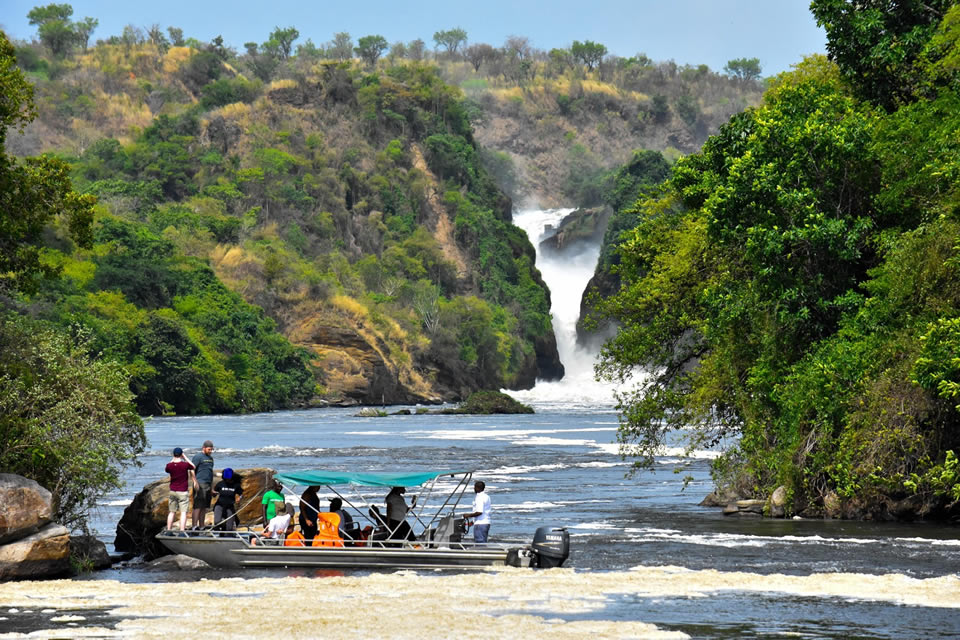
Importance of waterfalls
We will explore in depth the advantages that waterfalls offer to everyone of us.
The significance of waterfalls
Water purification
Waterfalls purify water as it cascades into various rivers. The purification of water facilitates the survival of aquatic life by supplying oxygen. Without waterfalls and their water purification, fish would be absent, aquatic animals would perish, and the ecosystem would be adversely impacted.
Waterfalls facilitate the conversion of waste in the water into nutrients that promote plant growth. This occurs as they traverse the rocks prior to entering the rivers and lakes, facilitating bacterial proliferation that aids in waste digestion.
Water sourced from various waterfalls requires no treatment, as it is good for consumption without boiling.
Waterfalls bring oxygen into the water sources they traverse, facilitating healthy respiration and survival for fish.
The humid environment created by the waterfalls facilitates agricultural cultivation, enabling farmers to achieve substantial crop harvests that are sold around the country for income generation.
Water from waterfalls can be utilized for domestic uses such as laundering garments, cleaning utensils, and other household tasks.
They also assist in the watering of various crops in the country; because to shifting weather conditions that impact farmers, the waterfalls supply water utilized for irrigation purposes. Fishing can also occur at waterfalls, supplying sustenance to the populace of the nation.
The ecological advantages of waterfalls
Human observers of the ecosystem have recognized the significance of waterfalls through the following two factors:
Waterfalls on a river signify a robust ecosystem, fostering the proliferation of trees and vegetation along the riverbanks. The presence of these trees mitigates soil erosion by enhancing soil stability through their root systems.
Waterfalls contribute to the vitality of the ecosystem, as evidenced by the diverse living forms that inhabit its vicinity, including humans, flora, and fauna such as lizards, reptiles, and various avian species.
The construction of dams results in the obstruction of water flow, causing deforestation and detrimental effects on the nation’s ecosystem.
Health advantages of waterfalls
Various scientists have elucidated the significance of waterfalls for human health, raising inquiries about the reasons we experience sleepiness and relaxation in proximity to aquatic environments such as waterfalls, rivers, lakes, and oceans. This has been addressed below with some health benefits of waterfalls. The tranquility of the waterfalls is attributed to the emission of negative ions as the water descends over the rocks, resulting in refreshing chilly water.
Waterfalls evoke tranquility, particularly during daylight hours. Many individuals experience fatigue, particularly during the day, and the negative ions emitted by waterfalls induce tranquility.
They also assist in the elimination of free radicals that harm cells, DNA, and proteins in the body by releasing negative
Waterfalls contribute to alleviating stress and despair. The discharge of negative ions induces tranquility, hence alleviating stress and despair. The negative ions emitted by waterfalls contribute to blood purification, enabling individuals to maintain a healthy existence with clean blood.
The release of negative ions from waterfalls enhances cellular metabolism in the body.
Waterfalls contribute to the enhancement of the human immune system by releasing negative.
Economic importance of waterfalls
Waterfalls draw tourists, who subsequently purchase our local products, so generating revenue.
The waterfalls can potentially be utilized to generate hydroelectric power.
Fishing can be conducted in waterfalls, and the fish can be sold to generate cash and enhance the living conditions of individuals. The availability of work opportunities near waterfalls, such as cleaners and tour guides, has contributed to a reduction in the country’s unemployment rates.
Hazards to waterfalls
Numerous hazards to Ugandan waterfalls are enumerated below:
• Water pollution: Water contamination is primarily attributable to the residents near the waterfalls and industrial activities, adversely impacting aquatic life and the water quality itself.
• Aridity: Drought conditions significantly impact waterfalls, since water levels diminish during dry spells, primarily due to extensive deforestation occurring in the country.
• Dams: The construction of dams on waterfalls obstructs the natural flow of water, perhaps resulting in flooding and erosion.
Hydraulic fracturing: Fracking denotes the procedure by which companies discharge untreated sewage into water, hence impacting aquatic life.
Implications of deconstructing waterfalls for energy generation
Numerous methods exist for the destruction of waterfalls, although the most deleterious is the construction of dams on them. The waterfalls adhere to a natural flow; however, the construction of a dam disrupts this flow, resulting in the degradation of the waterfalls.
The destruction of waterfalls is harmful to both individuals and the nations in which they reside. Consequently, I will highlight several dangers to illuminate the potentially catastrophic consequences of converting major waterfalls into electricity-generating channels.
The erected dams result in sediment accumulation. The accumulation of sediment results from erosion associated with dam construction. The sediments are transported downstream, resulting in water contamination, which may impair aquatic respiration. The sediments might create a mudflat, resulting in the destruction of the ecosystem.
When waterfalls are obliterated, trees no longer exist to inhibit the rapid spread of fire and the devastation of individuals’ properties.
The dam failures resulted in flooding and fatalities, particularly affecting those residing near the waterfalls and dams, as evidenced by the Banqioa Dam incident, which caused the loss of millions of lives due to severe flooding. The failure of dams can occasionally be attributed to inadequate engineering and seismic activity.
Upon the construction of a dam on waterfalls, the resultant reservoir may experience fluctuations, which might exacerbate erosion and collapse the adjacent cliffs. An example occurs at the Three Gorges Dam in China; if you reside on the adjacent cliffs, you may be eroded into the reservoir.
The construction of dams on waterfalls results in the displacement of individuals, particularly those residing close proximity to the waterfalls. This results in diminished living standards for the displaced natives, who must reconstruct their life from scratch.
Migratory creatures inhabiting waterfalls may face extinction due to the degradation of these ecosystems. Numerous fish species travel to waterfalls and the water bodies they feed into, navigating according to the water’s current. However, the construction of dams impedes their movement, leading to potential extinction.
Your proximity to the waterfalls is irrelevant. Provided they are obliterated, we all endure identical repercussions. Many individuals assert that only the government profits from waterfalls through tourism revenue; however, this is not accurate, as we all derive benefits from them, as previously stated.
In conclusion, while hydroelectricity is essential for adapting to our rapidly evolving environment, we must consider the potential repercussions of our actions and whether we may later regret them. Various sources can be utilized to generate energy, including biogas, solar energy, and waste materials. By prioritizing alternative energy sources, we will preserve our surviving waterfalls for ourselves and future generations. Preserving our natural heritage is advantageous for achieving improved outcomes in the future.