 info@gorillatrekkinginafrica.com

Ngurdoto Crater
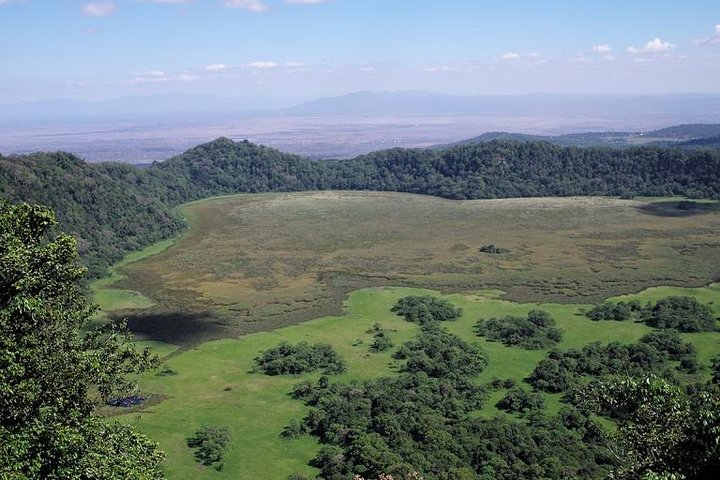
Ngurdoto Crater in Tanzania: Situated within Arusha National Park, Ngurdoto Crater is the most accessible crater and is sometimes referred to as ‘The Little Ngorongoro.’ Although the significantly larger and wildlife-rich Ngorongoro Crater is situated further south, Ngurdoto Crater possesses a distinct charm and allure for those desiring an alternative experience. This enormous caldera, located within diverse habitats and supporting wildlife, is an ideal yet undiscovered tourist destination.
A Geological Marvel
Ngurdoto Crater is a significant collapsed volcanic caldera in the region, linked to an extensive volcanic formation. It is approximated to be approximately 1. It is around 5 million years old and is around 3 meters in length. Diameter of around 5 kilometers and a depth of 100 meters. The crater’s edge is abundantly adorned with vegetation, while the base comprises a forest, meadow, and marsh, so offering habitats for various animal species.
In contrast to the expansive Ngorongoro Crater, Ngurdoto Crater is diminutive, situated in an accessible region, therefore facilitating exploration. The proximity to the caldera enhances the hiking experience, allowing visitors to observe the interactions among many ecosystems and the fauna inhabiting them.
Exploring Ngurdoto Crater
Hiking Opportunity in Ngurdoto Crater; Discovering Tanzania’s Natural Environment Arusha Crater is located in Arusha National Park, which has woods, lakes, and mountains. Anticipate the following after discovering this captivating locale: Anticipate the following after discovering this captivating locale:
Wildlife Viewing
Wildlife was observed in the Ngurdoto Crater, making it an ideal location for anyone interested in wildlife. The crater’s varied ecosystems sustain a multitude of species, including The crater’s varied ecosystems sustain numerous species, including:
Black and White Colobus Monkeys: These distinctive animals are marked by their black coloration and white tails, typically inhabiting the forested areas of the crater. These animals are commonly observed in substantial aggregations, traversing silently from tree to tree by leaping across the branches.
Buffaloes: Although the grassland regions of the crater support diverse animals, the African Buffaloes are the most prevalent. These are formidable mammals renowned for their impressive horns and propensity to inhabit herds.
Warthogs are readily observable in the environment, foraging on crops in the crater grasslands while exhibiting a waddling gait due to their tusks.
Antelopes: Various species of antelopes, including impalas and waterbuck, inhabit the crater. They enhance the biodiversity of Ngurdoto while also promoting the park’s conservation.
The crater is renowned as a haven for avian enthusiasts, with over one hundred bird species observed in the vicinity. One should observe the African paradise flycatcher, the black-headed heron, and the weavers for their vibrant plumage.
Beautiful Landscapes
The Ngurdoto Crater exhibits diverse and exquisite features, while the adjacent flatlands comprise a blend of:
Grasslands: The savannah regions are expansive and offer ample opportunities for observing wildlife, such as buffaloes and antelopes.
The forested regions of the crater are dense and verdant, creating a striking contrast with the more open portions. The black-and-white colobus monkeys and many avian species are predominantly located in this habitat type.
The crater’s floor features a wetland region, contributing to its diversified geography. Birdwatching is an activity that can be particularly enjoyed, as the marsh attracts numerous animals.
The rim offers equally thrilling vistas of both the crater bottom and the surrounding landscape. The proliferation of plants and shrubs, along with certain clearings in the forest, provides optimal vantage points to admire the picturesque landscape and observe wildlife.
Activities in Ngurdoto Crater
Tourist destinations in Ngurdoto Crater offer numerous activities that highlight the area’s natural beauty and wildlife riches. Below are few widely recognized alternatives: Below are few prevalent alternatives:
Guided Nature Walks
The guided nature tour includes the Ngurdoto Crater, which is a recommended activity in the area. These tours provide guests with an intimate examination of the crater’s ecosystems and allow qualified tour guides to elucidate the many species. These intriguing excursions guide visitors through the forest or along the crater’s rim, offering diverse perspectives of the geological characteristics.
Game Drives
Despite its diminutive size, the crater possesses a remarkable terrain best explored via a game drive, allowing for comprehensive coverage of the area. They often traverse the grasslands, woodlands, and swamps, allowing visitors to observe the full spectrum of biomes within the crater. The game drives are primarily conducted in open-roofed four-by-four vehicles, as they offer an excellent vantage point for photography.
Bird Watching
Ngurdoto Crater is an exceptional destination for avian enthusiasts near Arusha, owing to the diverse avifauna supported by the many flora types surrounding the crater. A pair of binoculars and a field guide are essential for observing the diverse species of birds in the area. Bird watching is generally recommended around dawn or dusk, as birds are likely to be more visible during these periods.
Accommodations and Accessibility
Tented accommodations near Ngurdoto Crater are available within Arusha National Park, ranging from budget-friendly to premium camping options. Several prevalent options comprise:
Arusha Safari Lodge: Situated at the park’s entrance, it features well-appointed accommodations and is in close proximity to Ngurdoto Crater.
Momella Wildlife Lodge: The vista is commendable as the lodge is situated within the park, particularly in proximity to the crater.
Meru View Lodge: This lodge is located mere meters from the park, offering spectacular views of Mount Meru and proximity to Ngurdoto Crater.
It is readily accessible via air travel, with flights to Kilimanjaro International Airport, located around 40 km from Arusha. Arusha National Park and the crater are located just a few hours’ drive from Arusha. Certain services entail the retrieval of vehicles and guidance via local operators or accommodation establishments.
Conclusive Remarks
The landscape, fauna, and tranquility of the Ngurdoto Crater render it an ideal site for exploration in Tanzania, in addition to the renowned wildlife locales. The modest size allows for close proximity to the offerings, and the diverse habitats surrounding the crater ensure encounters with several animals, birds, and plants. Therefore, if you wish to be captivated by wildlife, admire nature, or find solace in a remote part of the earth, Ngurdoto Crater will not fail to provide an intriguing journey to one of Tanzania’s most exquisite locales.