 info@gorillatrekkinginafrica.com

Datoga tribe in Tanzania
The Datoga tribe in Tanzania is a semi-nomadic pastoralist group residing in the northern region, particularly around Manyara. The Datoga are a Nilotic ethnic group residing near Lake Eyasi and in the semi-arid regions of Tanzania. They reside near Mount Hanang, the fourth tallest mountain in Tanzania, standing at 3,420 meters, situated in the northern region of the country.
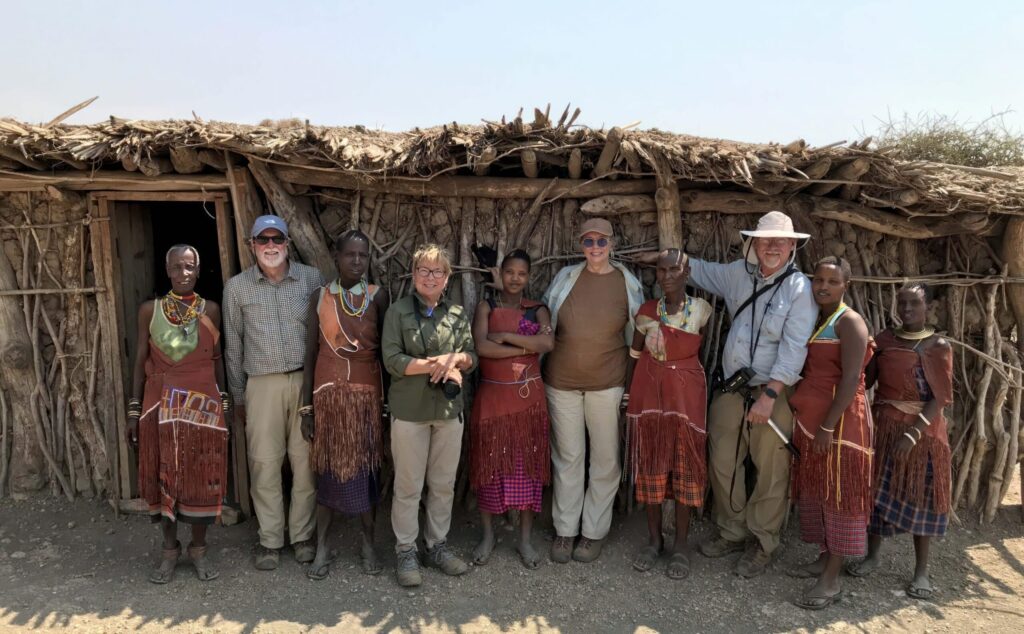
In Tanzania, various tribes, like the Maasai, renowned for their distinctive culture, assert that they are the oldest tribe in the country, while the Datoga similarly proclaim themselves as the oldest tribe of Tanzania.
The Datoga are warriors, and young males demonstrate their valor by killing the enemies of their people. The term “enemy of the people” encompasses those who are not Datoga as well as wild animals, as per the Datoga perspective.
Some individuals in Tanzania perceive the Datoga as primitive, and a minority of the Datoga population is illiterate. In addition to education, the Datoga have resisted development and maintain low hygienic standards.
The Datoga, commonly referred to as Barabaig, are additionally known as Mangati, a Maasai term meaning enemy. The Barabaig are pastoralists residing in the northern highlands near Mount Hanang.
The Historical Account of the Datoga
The Datoga are thought to be highland southern Nilotes who originated from southern Sudan or the western Ethiopian highlands approximately 3000 years ago. They traveled to Kenya and Tanzania, subsequently dividing into two groups; one group settled in Kenya, which included the Kalenjin people.
The second group that traveled established itself in Tanzania, where the forebears of the Datoga resided. Currently, the Kalenjin and Datoga exhibit certain similarities as they are both classified as southern Nilotes.
In the 18th century, the Datoga were ousted by the Maasai and relocated to regions surrounding Lake Manyara and Lake Eyasi. They subsequently established themselves around Mount Oldeani following Tanzania’s independence.
What Datoga tribe is famous for
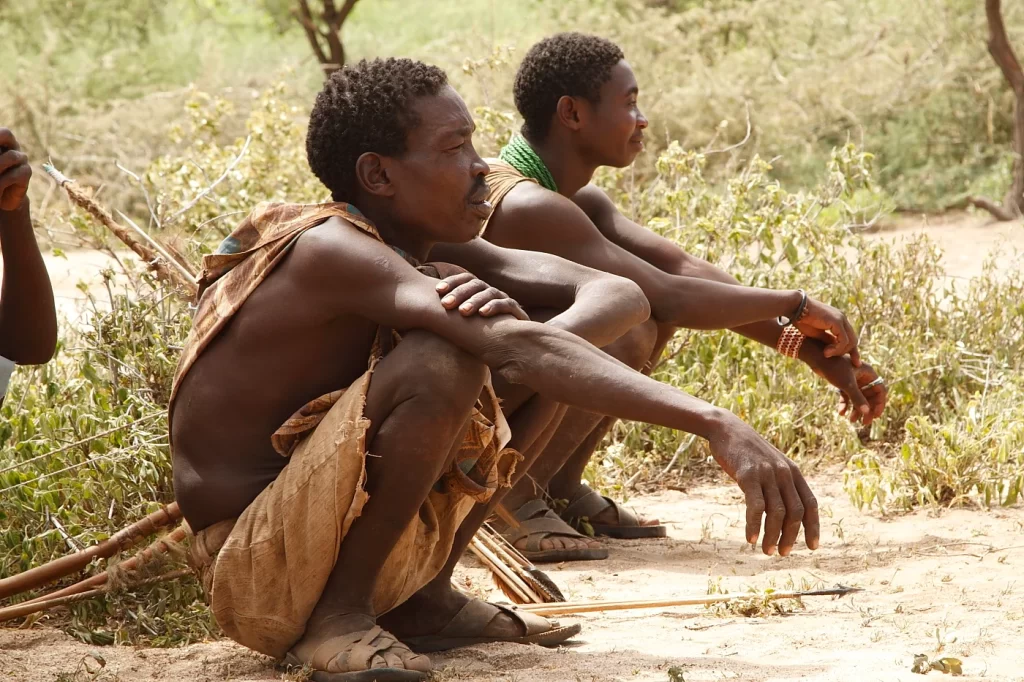
The Datoga tribe regards itself as the oldest tribe in Tanzania, while other tribes such as the Maasai and the Bushmen also assert this distinction. They are often recognized for their reclusiveness and are a tribe of proud individuals and formidable warriors renowned for their stealth capabilities. They are proficient and recognized for their blacksmithing, beading, brass bracelets, and necklaces, while also providing arrowheads to the Hadzabe tribe. While they are recognized for herding goats, donkeys, and sheep, as well as raising poultry, cattle constitute their most significant domestic animals.
Subsequent tribes established themselves in the vicinity of Magola following its designation as “Ujamaa,” compelling the Datoga to relocate to the beaches of Lake Eyasi, where they still reside.
The culture and traditions of the Datoga people
The facial markings surrounding the eyes of the Datoga serve as distinctive identifiers of the group.
The Datoga possess extended earlobes and round marks. These tattoos are embedded within the skin and serve as a means of distinguishing an individual from a familial lineage.
During colonial administration, the facial markings of the Datoga people served to evade scrutiny from the Germans, who disdained anyone with scarred bodies. The tattoos may also appear on the shoulders and face, like masks.
Datoga women possess facial and shoulder markings that are occasionally incised deeply into the flesh to enhance their visibility.
Attire of the Datoga
The Datoga attire resembles that of neighboring tribes, like the Maasai. The Datoga’s attire is characterized by colors that resemble the landscape of their habitat.
The ladies of the Datoga adorn themselves with jewelry and traditional hides, while married women don garments composed of slender leather strips. The jewelry is composed of copper, beads, or iron, utilized to create necklaces, bracelets, and earrings, among other items.
Economic framework
The Datoga raise livestock including cattle, goats, sheep, and donkeys, subsisting on meat, milk, and blood. Additionally, they cultivate crops such as maize, beans, and millet.
The Datoga cultivate many plants, including onions, as they are farmers living a semi-nomadic lifestyle. The Datoga men engage in the consumption of honey beer during ritual events, including funerals.
Social hierarchy
The Datoga engage in polygamy and form marriages beyond their clans, with societal judgments determined by a council of elders empowered to levy penalties and curses. They share certain characteristics with the Maasai people. Wealthier men within the Datoga community tend to marry many women and maintain several residences.
The seven Datoga tribes are Bajuta, Gisamjanga, Barabayiiga, Tsimajeega, Rootigaanga, Buraadiiga, and Bianjiida.
Within the Datoga community, children born out of wedlock are regarded as clanless, and there is a significant mortality rate among the Datoga population. Children born out of wedlock are seen as the possession of the maternal grandfather and are perceived as fragile and disadvantaged.
Exploring the communities of the Datoga people offers a distinctive experience during a safari in Tanzania, allowing for interaction with the inhabitants and an understanding of their lifestyle and culture.