 info@gorillatrekkinginafrica.com

Rufiji River
The Rufiji River in Tanzania, renowned for its diverse flora and wildlife, is the largest river in the country. The origin is at the Shuguli Falls, where the Luwegu and Kilombero (Ulanga) rivers meet to create the Rufiji River. The river flows northeast through the Selous Game Reserve before merging with the Ruaha River and entering Stieglers Gorge, the river’s second segment. The river begins in southwestern Tanzania and traverses approximately 600 kilometers (370 miles) before discharging into the Indian Ocean. The Great Ruaha River is one of its principal tributaries. It may be traversed for around 100 kilometres (62 miles).
The Rufiji River traverses the Selous Game Reserve, one of Africa’s rare, pristine wilderness regions, where it sustains some of the continent’s most substantial animal populations. For an extended period, the parks and reserves in Southern Tanzania have been regarded as the lesser counterpart to the illustrious northern wildlife areas and prominent tourist safari locales, such as Kilimanjaro, Ngorongoro, and Serengeti.
The magnificent Selous Wildlife Reserve is nourished by the Rufiji River in Tanzania. The Rufiji river basin, including approximately 180,000 square kilometers, is the largest river basin in Tanzania.
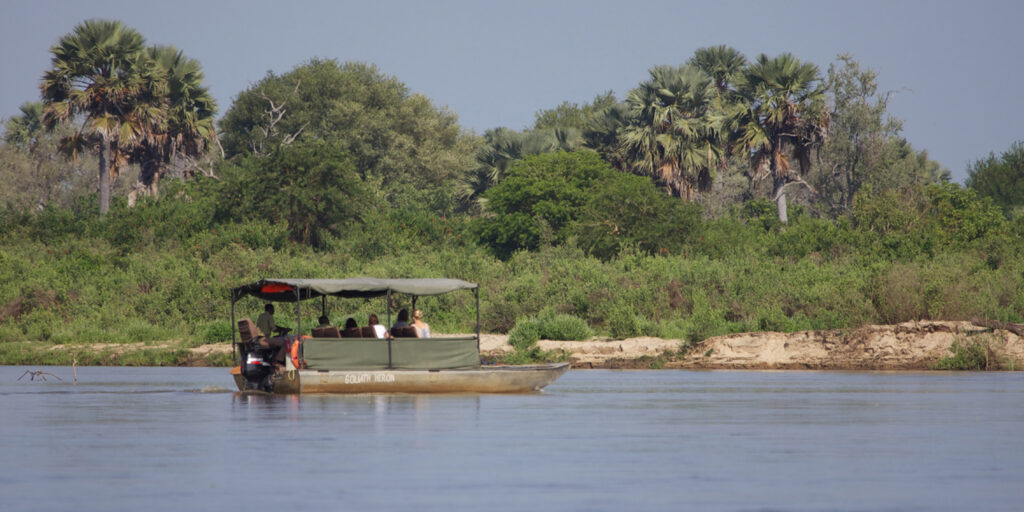
Reasons for Visiting the Rufiji River.
- Numerous species are attracted to the Selous Game Reserve by the Rufiji River. Consequently, it has exerted a considerable influence on human prosperity throughout history.
- The navigable Rufiji Delta holds the largest mangrove forests globally.
- A plethora of water sports and activities is accessible on the river.
- Rufiji is home to large animals, frogs, and remarkable African reptiles. Massive crocodiles, hippopotamuses, and remarkable frogs inhabit this environment.
- An additional motivation to explore the region is its avifauna. Remarkable avian species, such as kingfishers, African spoonbills, Black-winged stilts, hammerkops, and heron ducks, can be located there.
Things to do In Rufiji River
Boat safaris.
Consider embarking on an extraordinary Rufiji delta cruise rather than a traditional wildlife drive. Rufiji is among Tanzania’s premier safari experiences. The aquatic environment significantly enriches your experience at the Selous Game Reserve, a premier wildlife site, featuring remarkable observations of hippos, crocodiles, and diverse waterfowl.
Game Drives.
Embark on a day excursion over the renowned Rufiji River to observe wildlife. Game drives are usually performed in open vehicles equipped with a sunroof to ensure unobstructed visibility for all passengers. The guides at Rufiji, trained locally, possess extensive knowledge of the Selous region.
Game Walk.
A walking safari at Rufiji River will reveal the subtle details often ignored during wildlife drives. The spores, footprints, and the “little five,” representing the kingdom of insects and reptiles, are intriguing when examined and discussed by your walking guide.
Exploring Marine life
The diversity of fish species in the Rufiji River Delta facilitates exploration and study of its marine life. Invertebrates, including mollusks, crabs, copepods, prawns, jellyfish, and leeches, are also prevalent.
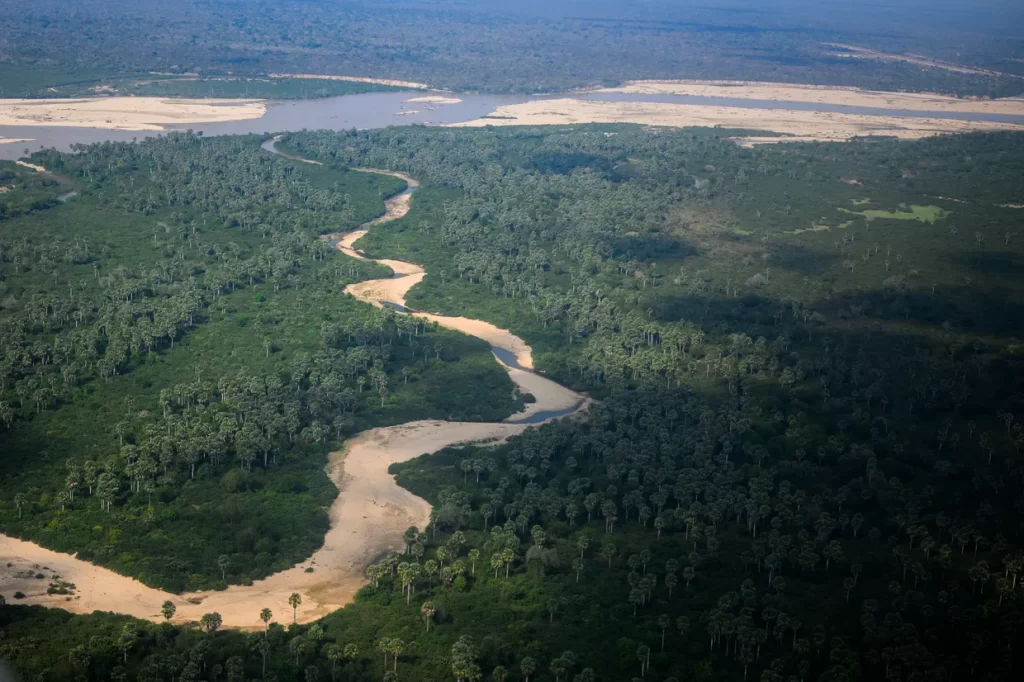
Best time to visit Rufiji River
The dry season, occurring from late June to October, is the optimal period for exploring the Rufiji River Delta. This illustrates a direct correlation between the necessity for animals to congregate around enduring rivers, prompted by the increasing water scarcity over the protracted dry season, and other parks that flourish in arid conditions.
Furthermore, as the drought intensifies, the vegetation progressively diminishes, enhancing animal visibility. Join us for premier experiences in Tanzania and along the Rufiji River.
Directions to the destination.
One way is to travel from Dar es Salaam to Mikumi National Park, traversing the Matambwe gate (now referred to as Nyerere National Park), entering the Selous Game Reserve, and ultimately reaching the Rufiji River. This represents a standard circular route. The journey from Dar es Salaam to Selous, covering 218 kilometres, may need up to 4 hours.
Here is an alternative route to access the Rufiji River. A multitude of flights originate from Dar es Salaam, Arusha, and Zanzibar, arriving at various airstrips in Ruaha or the Selous Game Reserve.
Entry into the country is permitted by Julius Nyerere International Airport (DAR), Kilimanjaro International Airport, and Zanzibar International Airport.