 info@gorillatrekkinginafrica.com

Things to do in Virunga National Park
Things to do in Virunga National Park are remarkable pursuits that travelers can undertake when visiting the exceptional Virunga hills, which are home to mountain gorillas. Virunga National Park is located in the Albertine Rift Valley in the eastern region of the Democratic Republic of Congo. The park was founded in 1925 to save endangered mountain gorillas from poachers and is one of the earliest protected areas in Africa. The area encompasses 8090 square kilometers, with elevations ranging from 680 meters in the Semliki River valley to 5109 meters in the Rwenzori Mountains. It spans around 300 km from north to south along the borders with Uganda and Rwanda to the east. Virunga National Park is a tropical forest featuring two active volcanoes, Mount Nyiragongo and Mount Nyiramuragira, as well as mountain gorillas inhabiting the slopes of the Mikeno volcano. It is comprised of forest vegetation, savannah vegetation, lava plains, erosion valleys, and wetlands. The park is inhabited by several animal species, including elephants, hippos, lions, numerous bird species, reptiles, amphibians, and primates such as the mountain gorilla, baboons, bush babies, vervet monkeys, red-tailed monkeys, and blue monkeys.
Activities encompass the experiential engagements that guests partake in throughout their safari at Virunga National Park.
Things to do in Virunga National Park
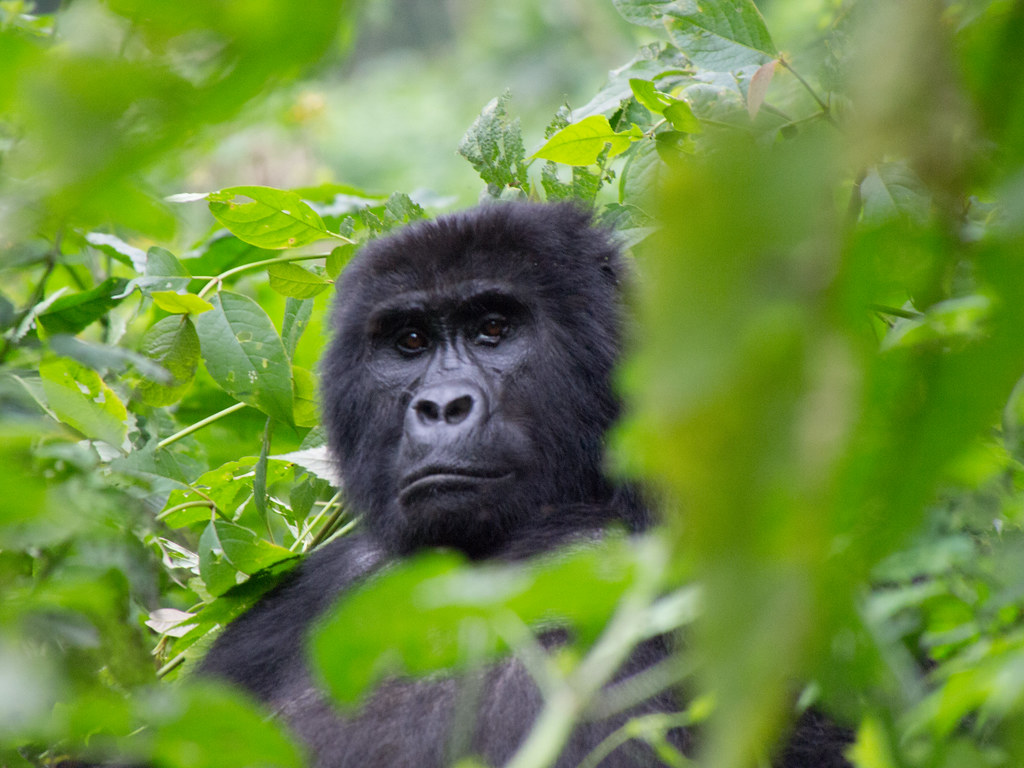
Gorilla trekking
Gorilla trekking is the primary attraction and the most popular activity in Virunga National Park, with visitors traversing various locations in pursuit of mountain gorillas. Virunga National Park is home to approximately 300 gorillas, organized into various families. Eight of these families have been habituated, including the Rugendo family, the first to be habituated, led by the silverback, as well as the Munyanga, Mapuwa, Lulengo, Kabirizi, Bageni, Nyakamwe, and Humba families.
Gorilla trekking in Virunga National Park commences at approximately 6:00 am at the Bukima patrol post, accompanied by a ranger, and is typically limited to a maximum of 8 participants per day. The trek lasts 1-2 hours across various terrains, and visitors are allotted 1 hour in proximity to the gorillas once located. Visitors are required to wear face masks to protect the gorillas from human infections. If a visitor is unwell or exhibits symptoms like as fever or cold, they are urged to cancel the trekking to prevent infecting the gorillas.
The cost of gorilla permits in Virunga National Park is the most economical compared to other countries, such as Uganda at $800 and Rwanda at $1500. It is priced at $400 per person for non-residents and $150 for Congolese residents. Additionally, hiring a porter, which is strongly advised for carrying backpacks and providing assistance, incurs an extra fee of $15 per trek. Children under the age of 15 are prohibited from participating in trekking activities.
Chimpanzee habituation
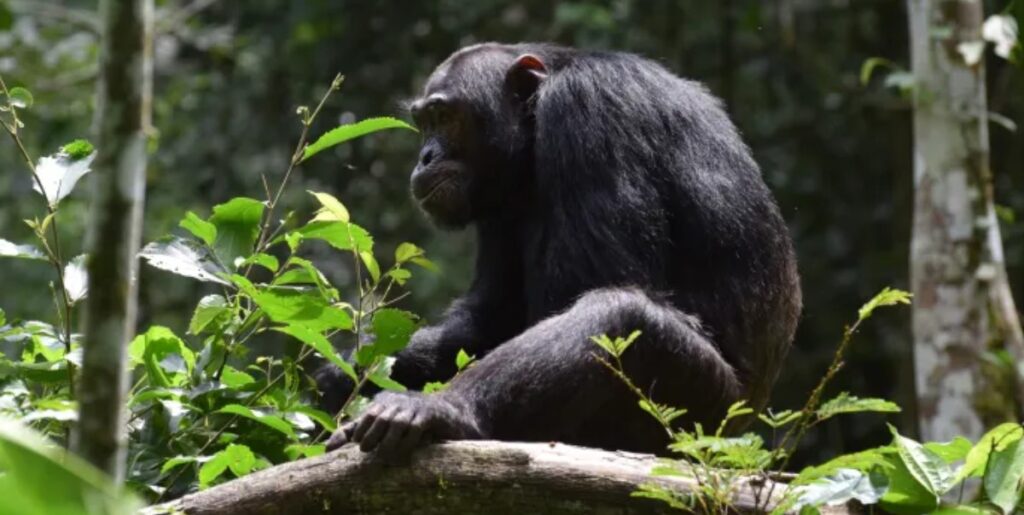
Chimpanzee habituation is a noteworthy activity conducted in Virunga National Park to acclimate the chimpanzees to human presence, so enabling tourists to see them closely and get insights into their behaviors and habits. The chimpanzee habituation procedure typically commences at approximately 4:30 am, when rangers enter the forest to locate the primates. Subsequently, they accompany visitors at around 6:00 am, facilitating easier access and minimizing the need for extensive walking in search of the animals.
Chimpanzee trekking
Chimpanzee trekking is restricted to a maximum of four individuals, allowing visitors ample opportunity to observe the chimpanzees for four hours daily. During this time, they can witness various behaviors, including de-nesting at 6:00 AM, breastfeeding, hunting, and social play, among others. Visitors are advised against participating in the habituation process if they are experiencing illnesses such as a cold, fever, or other viral infections, as exposure to health risks may be fatal. Additionally, they are instructed to avoid wearing brightly colored clothing in yellow, white, orange, or red, as these colors may deter the chimpanzees.
The Nyiragongo volcano, standing at 3,470 meters above sea level, is adorned with various vegetation and occasionally snow, and it has the world’s largest lava lake. Nyiragongo is an active volcano, having erupted more than 34 times, with its most recent eruption occurring in 2002, during which water inundated adjacent villages. The Nyiragongo volcano is a 30-minute drive from Goma, the nearest location, and a one-hour trip from Rumangabo. The Nyiragongo Volcano trek typically commences at 10:00 am from the Kibati patrol post, accompanied by ranger guides and porters available for hire to assist with baggage and provide support on treacherous or heated volcanic terrain. Participants should adequately prepare for the hike by bringing equipment such as walking sticks for stability, rain gear or waterproof clothing for inclement weather, hiking boots for mobility, gloves for protection against sharp stones, sweaters, warm attire like jackets, snacks, and sufficient water to maintain stamina during the trek.
Hiking
Hiking typically requires 4-6 hours, and occasionally 6-7 hours, to ascend the volcano, contingent upon the hikers’ pace and their rest intervals. Visitors arriving at the Kabita patrol point after 10:00 will be prohibited from hiking due to safety regulations against solo trekking. Atop the Nyiragongo volcano, there are tents furnished with mattresses for tourists to stay the night, a campfire for warmth, and a chef to make various delicacies, including coffee and breakfast for the following morning. The summit of the volcano offers an excellent and unobstructed vantage point for photography and various other activities.
The Senkwekwe Orphanage Center, situated in Rumangabo near the park headquarters, was constructed in 2010 to care for orphaned gorillas rescued from poachers. It is the sole facility globally dedicated to orphaned gorillas and is named after a wild silverback gorilla that was killed in Virunga in 2007.
The Senkwekwe orphanage center
The Senkwekwe orphanage center houses four gorilla families that were rescued from imminent death, including Ndakasi and Ndeze, the initial rescues, as well as Matabishi, Yalala, and the subsequently deceased Maisha and Kaboko, who succumbed to health issues. It provides gorilla veterinarians for disease prevention and offers additional services such as food, shelter, water, and various other amenities to the orphaned gorillas in Virunga National Park. Visitors to the Senkwekwe orphanage enjoy engaging with the gorillas by playing, interacting, and observing their behaviors, feeding habits, and social interactions.
The institution receives financial support from the community, benefactors, and other sources, which facilitates its operations and aids in the protection of eastern lowland gorillas from poaching.
Nature walks
Nature walks in Virunga involve visitors traversing routes into the tropical rainforest to observe various wildlife species. Visitors partake in nature walks to alleviate noise and reduce stress, among other benefits. During the nature walks, participants will have the opportunity to observe endangered gorillas, monkeys, baboons, elephants, buffaloes, okapis, lions, antelopes, and hippos along the banks of Lake Edward, as well as bird species such as the narrow-tailed starling and Madagascar bee-eater. They will also track chimpanzees and visit the Senkwekwe orphanage, thereby enhancing their experience in Virunga National Park.
Birdwatching
Birding is an additional activity conducted at Virunga National Park, renowned as a paradise for birders, housing over 706 bird species. The method involves tourists awakening early to accompany a ranger into the forest to identify various bird species through visual observation, binoculars, or by listening to their vocalizations in the treetops. The avifauna in Virunga National Park inhabits large trees, constructing nests and cavities for shelter, while subsisting on fruits and insects. Notable bird species in the park include the African olive pigeon, handsome francolin, white-headed wood hoopoe, thick-bellied sea eater, chestnut-throated apalis, blue-spotted wood dove, Angolan swallow, blue-headed sunbird, strange weaver, tropical boubou, Rwenzori batis, grey-throated barbet, double-toothed barbet, alpine swift, mountain greenbul, barred long-tailed cuckoo, black-headed waxbill, among numerous others.

Landscape viewing in Virunga
Virunga offers unparalleled landscape vistas, featuring the volcanoes of the Virunga conservation area, the Rwenzori mountains, the eroded valleys of Ishango and Sinda, extensive forest cover, afro-alpine vegetation, and snow-capped summits, providing visitors with an exceptional experience and opportunities for remarkable photography.
Virunga National Park offers various accommodation options for tourists during their safari, including the opulent Mikeno Lodge, situated within the forest. This lodge provides an excellent vantage point of the Rift Valley, showcasing attractions such as the Mikeno and Nyiragongo volcanoes, as well as chimpanzees, baboons, and diverse bird species. The Lulimbi tented camp is situated in the center of Virunga and hosts a diverse array of wildlife, including buffalo, hippopotamuses, warthogs, elephants, gigantic forest hogs, topi, crocodiles, Uganda kobs, and other bird species. The Nyiragongo volcano summit shelter, situated at an elevation of 5 feet, offers basic sleeping bags to tourists; nevertheless, it is advisable to bring personal sleeping bags. The summit shelter of Nyiragongo volcano provides an exhilarating experience, offering a clear view of several wildlife species, including chimpanzees and bushbucks. Virunga National Park offers numerous other housing options, including Bukima Lodge and Tchegera Island Camp, among others. The national park is accessible year-round.
Virunga National Park is one of four parks globally that house gorillas, alongside Volcanoes National Park in Rwanda, Bwindi Impenetrable National Park, and Mgahinga National Park in Uganda. Virunga National Park offers numerous activities for travelers throughout their safari, allowing them to observe various wildlife species, so rendering the experience both intriguing and exhilarating.