 info@gorillatrekkinginafrica.com

Lobo Area
The northern Serengeti National Park serves as a refuge for several animals and is predominantly frequented by tourists eager to observe a variety of wildlife. The local area guide provides insight into the happenings of this region, offering tourists an unparalleled wildlife encounter. The Lobo region in northern Serengeti National Park remains unspoiled and features aesthetically pleasing vistas in contrast to the southern Serengeti safari plains.
The northern Serengeti National Park extends from the Lobo region southward to the central area, known as Seronera, featuring verdant rolling hills, offering a distinctive experience for those accustomed to the flat plains of the southern Serengeti National Park. While the majority of the Lobo region is tranquil, it may be prudent to contemplate the possibility of embarking on a safari game drive without encountering another vehicle. This is advantageous for those who like to avoid congestion. Amidst the undulating hills adorned with verdant grass, the exclusive experience
A guide to the Lobo region will familiarize you with the terrain, which transforms immediately upon crossing from the central Serengeti regency. The area surrounding this location expands into the expansive Togoro plains, which are unobstructed and sunlit, making it an ideal habitat for the swiftest predator, the cheetah. Nonetheless, a skilled guide is essential to locate them, as they are elusive and like to conceal themselves from humans. However, with a knowledgeable guide, you will have the opportunity to observe some of the cheetahs.
From this point, we go in your safari vehicle to explore the Lobo region, traversing a path that lasts around three to four hours, during which you will witness the natural splendor on either side, culminating in the exploration of the prominent hill and the rock formations known as the Kopjes of the Lobo area. This is recognized for the three points of pride of the lions residing in this region. Proceeding farther north, you will reach the Mara River, which delineates the boundary between Tanzania’s Serengeti National Park and Kenya’s Masai Mara National Reserve. A rod exists that facilitates the transit of cars from the Serengeti to the Masai Mara National Reserve; however, it is restricted to security staff and inaccessible to tourists.
The northern region of Serengeti National Park is delineated by the renowned Loliondo game-controlled area, extending to the northern boundary of the Ngorongoro Conservation Area. The area can be reached by Klein’s Gate, located 20 kilometers north of Lobo, and extends over 4,000 kilometers from the northeastern edge of Serengeti National Park to the northern perimeter of the Ngorongoro Crater Area. The Maasai inhabit Loliondo, which functions as a foundational area for Serengeti National Park.
The Maasai pasture their cattle beside the wildlife. In the Loliondo Area, several safari hotels and camps are situated in concession areas varying from a few hundred to two or three thousand hectares. Klein’s Camp is the most significant and expansive of these concessions, often regarded as one of Tanzania’s or Africa’s premier wildlife viewing experiences.
The vistas here are distinctive and wild, as most visitors seldom venture into this section of Serengeti National Park. Regardless of the mode of transportation selected by the traveler to reach this place, they will be rewarded with magnificent vistas. The Kleins Camp offers an exquisite experience for tourists, facilitated by exceptional adventure safaris that enable exploration of animals through nature walks and camping during African adventure vacations.
Visitors will participate in village excursions in this region to observe and engage with diverse tribes and their contributions to the conservation efforts of Serengeti National Park. This exceptional safari experience will compel you to explore the Lobo region. Guests, being in close proximity to the recreation area’s periphery, are permitted to partake in nocturnal drives and walking safaris of any duration, in addition to integrating their wildlife observation with excursions to urban centers. As a result, the community has created clean water supplies as well as clinical and educational offices. The expansive, colorful rock formations encircling the camp characterize this site, while the extensive vistas of undulating plains, verdant hills, and water bodies are awe-inspiring.
Best time visit Lobo Area
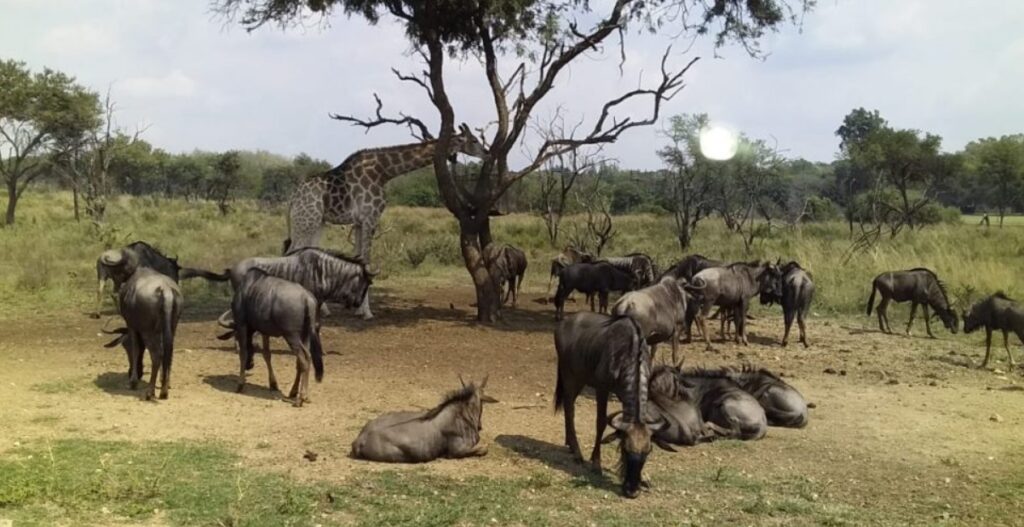
A guide to the Lobo Area in the Northern Serengeti provides information on the optimal time to schedule your safari in this remarkable section of Serengeti National Park. To reengage in the Lobo safari experience, one needs visit this region around September or October. This occurs because of the migration of the big wildebeest from the Masai–Serengeti ecosystem in the southern park as they proceed to the southeastern region of Serengeti National Park at this time. Furthermore, the Lobo region has experienced a rise in several wildlife species, particularly the wildebeest in July.
Nevertheless, in wetter years or intervals, the northward shift adopts a more easterly trajectory. The optimal times to observe migrating groups are unpredictable. Nonetheless, this region of the Serengeti offers numerous attractions throughout various seasons. The Lobo Hills are noted for hosting several prominent lion prides, and this area sustains the majority of the recreation area’s elephant population, with the Lobo sector being particularly favorable for elephants compared to the remainder of Serengeti National Park. Cheetahs, leopards, spotted hyenas, and bat-eared foxes are prevalent, as is the exquisite serval, a diminutive spotted feline frequently observed traversing expansive plains at dawn. This renders the safari an intriguing expedition; kindly visit our website for further details and optimal booking procedures for your safari trip. You will receive guidance through the Lobo region of the Northern Serengeti National Park.
Lobo Valley
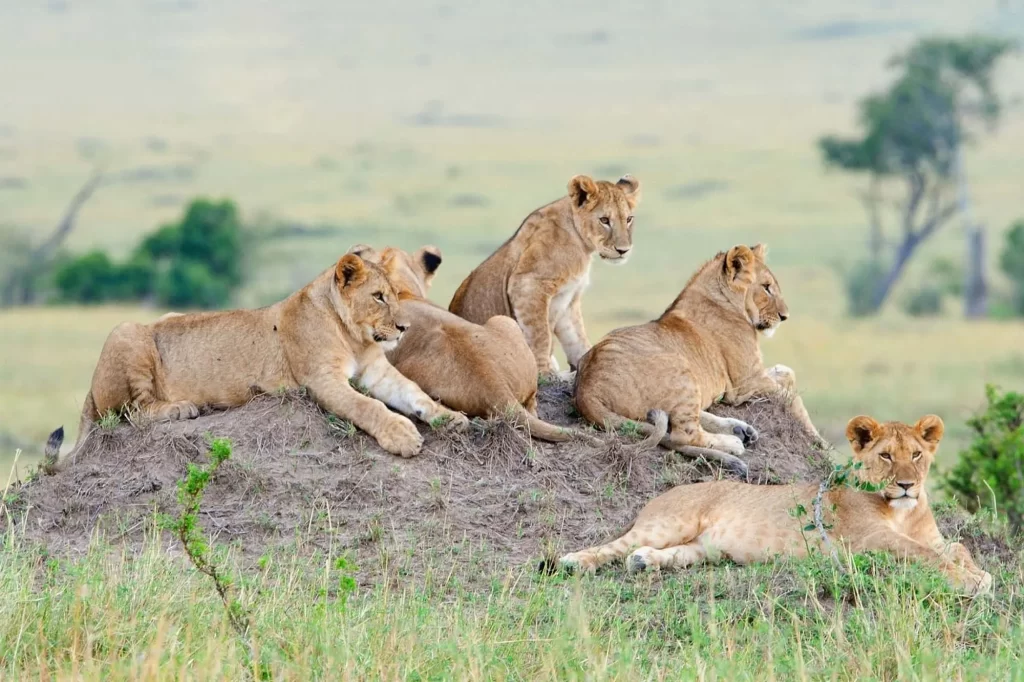
One of the few locations in East Africa where there is a reasonable chance of seeing all three big cat species—lion, leopard, and cheetah—on a single game drive is Lobo Valley, along with Seronera Valley. There are about 26 members of the resident lion pride, also known as the “Lobo Pride,” which is the second largest pride in the Serengeti. In the heat of the day, this extended family of lions is frequently spotted sprawled out in the traditional lion pose, napping on the smooth granite kopjes. These lions thrive on the large number of resident prey animals, such as gazelles and buffalo, that live in this area all year round. The migratory zebra and wildebeest are stalked by the ravenous pride during the dry season when the great migration is raging through, providing some respite from predators for the local herbivores.