 info@gorillatrekkinginafrica.com

3-day Kenya Masai Mara Safari
This 3-day Kenya Masai Mara Safari is a brief and affordable option for anyone with limited time who like to explore the Masai Mara National Reserve. Masai Mara is regarded as Kenya’s premier and most remarkable wildlife reserve for game viewing and African safari experiences. The park encompasses a huge wilderness over 1500 square kilometers, housing a diverse range of wildlife, including large felines such as lions, cheetahs, leopards, and hyenas, as well as all of the Big Five species, which you will have the opportunity to observe on this adventure. This 3-day Kenya Masai Mara Safari is a comprehensive excursion commencing and concluding in Nairobi.
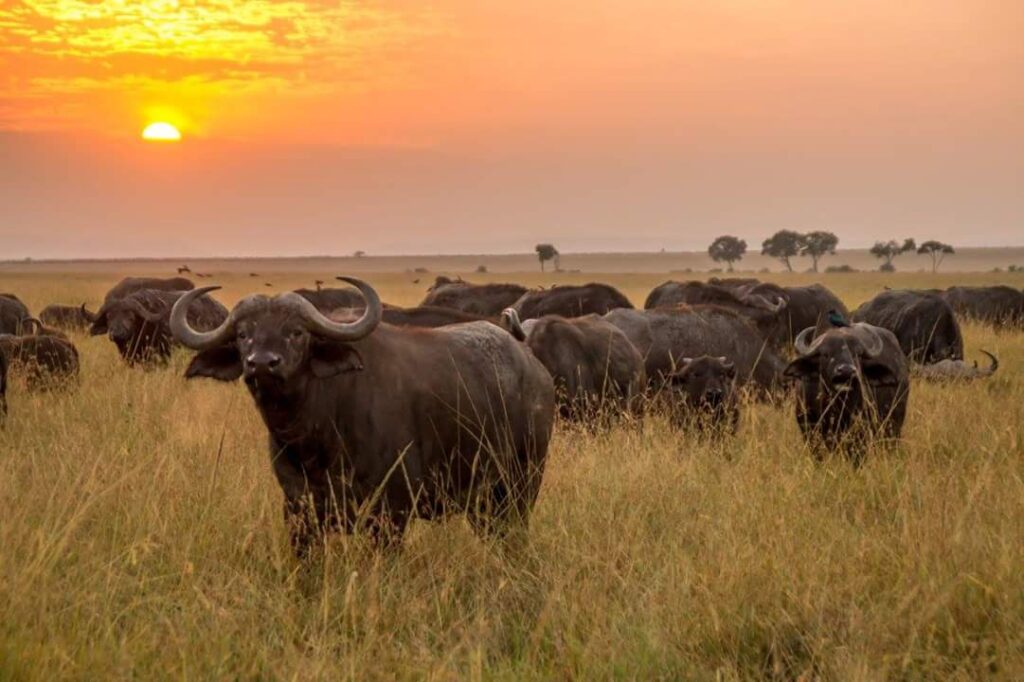
Brief itinerary for 3-day Kenya Masai Mara Safari
- Day 1: Depart from Nairobi and travel to Masai Mara, followed by afternoon wildlife observation.
- Day 2: Comprehensive game viewing in Masai Mara National Park with an optional visit to a cultural Maasai settlement.
- Day 3: Morning game watching or optional balloon ride, followed by a drive to Nairobi for last-minute shopping, then transfer for your departure flight, concluding your 3-day Kenya Masai Mara safari.
Detailed itinerary of 3-day Kenya Masai Mara Safari
DAY 01: Depart from Nairobi and proceed to Masai Mara National Reserve
Following breakfast and a brief orientation with your Masai Mara safari driver guide, you will proceed to the renowned Masai Mara National Reserve, the setting for ‘the greatest wildlife extravaganza on earth,’ the yearly migration of over one million wildebeest. Ensure timely arrival for lunch at your lodge. You will check in at the lodge, enjoy a hot lunch, relax, and then proceed to the Masai Mara National Reserve, where you will spend the afternoon on safari in Kenya’s most renowned reserve, with the opportunity to observe late grazers, including the Big Five. You will also partake in a sundowner before returning to the lodge in time for campfire cocktails, dinner, and overnight accommodations.
Overnight accommodations at Mara Sopa Lodge, Mara Rhino Tourist Camp, or Mara Leisure Camp.
DAY 02: Comprehensive Game Drives in Mara National Reserve
Today, you will dedicate an entire day to Masai Mara, experiencing the sights and sounds of Africa’s most abundant animal viewing area. You will have the opportunity to observe additional wildlife that may have been overlooked previously, identify several bird species, and gain insights into the conservation practices and local populations of Masai Mara. The Masai Mara is home to Kenya’s largest lion prides and elephant populations. Additional predators encompass leopards, cheetahs, and spotted hyenas; meanwhile, the Mara River is inhabited by sizable pods of hippopotamuses and numerous Nile crocodiles. Additional highlights encompass giraffe tops, gazelles, zebras, buffalo, and more than 550 avian species.
Accommodation for the night: Mara Sopa Lodge, Mara Rhino Tourist Camp, or Mara Leisure Camp
Comprehensive Meal Plan
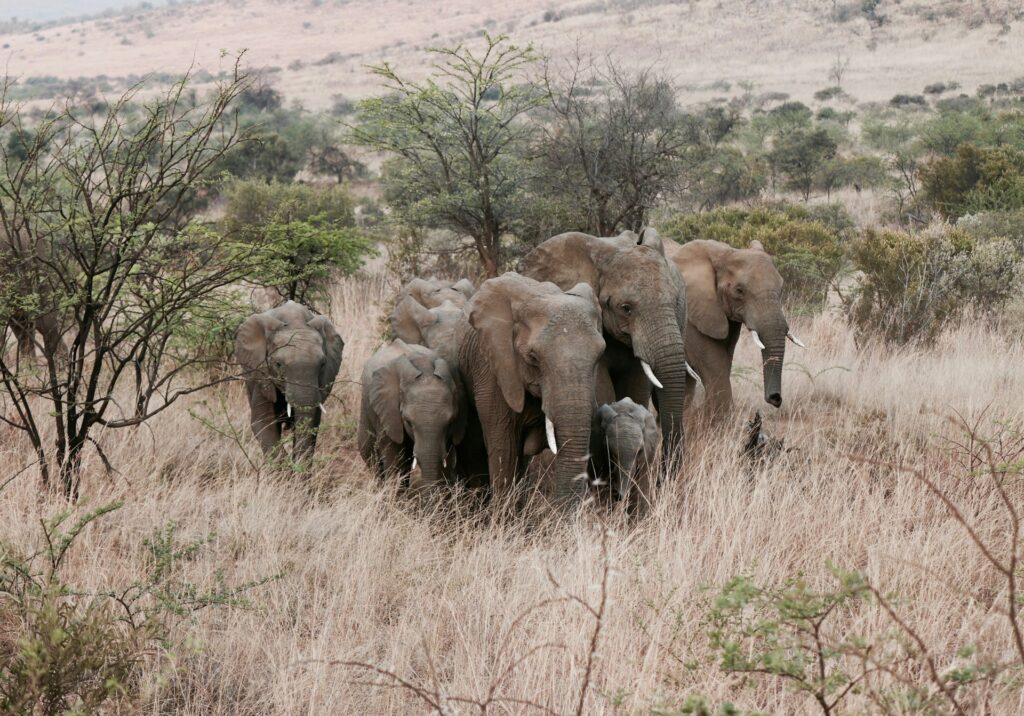
DAY 03: Morning Dawn Game viewing or optional hot air balloon excursion in Masai Mara National Park, followed by departure to Nairobi.
Today, you will participate in an early sunrise game drive or have the option to soar over the Masai Mara in a hot air balloon. The balloon package features a champagne breakfast in the wilderness. If you can afford it, observing plentiful wildlife from a balloon is an indelible experience. Alternatively, visit a Masai community to acquire knowledge of Masai culture. You will return to Nairobi to conclude your 3-day Masai Mara safari in Kenya.
Conclusion of your 3-Day Kenya Masai Mara Safari.
Safari inclusions
- Airport pick-ups and drop-offs
- A private, well-versed tour guide, Kenyan and multi-lingual
- Round-trip transport to all attractions and destinations as per the itinerary (4×4 Jeep)
- Budget (economy), comfort, superior comfort, or luxury hotels, lodges, or tented camps
- Meals on safari (half board or full board depending on the budget)
- Masai Mara game reserve entrance fees
- Bottled drinking water in the safari vehicle
- Game viewing drives
Safari exclusions
- Pre-travel expenses (e.g. Passports and visas)
- Travel insurance
- Expenses such as baggage fee, laundry charges, and luxury drinks such as champagne etc.
- Tips and gratuities
- Items and services of a personal nature
The Masai Mara National Reserve, situated in southwestern Kenya, is among the most esteemed and frequented wildlife areas in Africa. The reserve spans 1,510 square kilometers and is named for the indigenous Maasai people and the Mara River that traverses it. The Masai Mara is part of the wider Mara-Serengeti ecosystem, which is notable for its remarkable concentration of species and the yearly wildebeest migration.
Founded in 1961, the Masai Mara National Reserve is administered by the Narok County Council and constitutes an integral part of the Maasai Mara-Serengeti ecosystem, which encompasses other additional conservancies and protected regions. The reserve is recognized for its varied landscapes, encompassing extensive savannahs, acacia trees, and the winding Mara River, which offer various habitats for several wildlife species.
The Masai Mara hosts a plethora of species, including the “Big Five”: lions, elephants, leopards, buffalo, and rhinoceros. The reserve is abundant with other emblematic African fauna, including giraffes, zebras, wildebeest, hippos, crocodiles, and a diverse array of avian species. The yearly wildebeest migration, regarded as one of the most remarkable natural phenomena on the planet, involves millions of wildebeest, zebras, and gazelles traversing the Mara River in pursuit of more fertile grazing areas.
Wildlife Safaris in Masai mara
A primary allure of Masai Mara National Reserve is the chance to embark on wildlife excursions. The reserve hosts a plethora of wildlife, including the renowned Big Five (lion, leopard, elephant, buffalo, and rhinoceros), along with countless other species such as giraffes, zebras, wildebeests, and various antelope species. Visitors may participate in game drives during the early morning or late afternoon, when wildlife is most active, to observe these creatures in their native habitat.
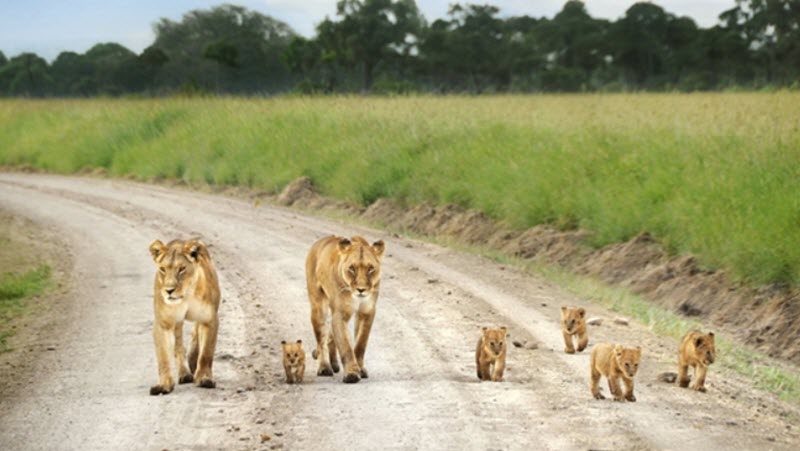
Great Migration in Masai Mara
The Masai Mara is globally acclaimed for hosting the Great Migration, during which millions of wildebeests, zebras, and gazelles traverse from the Serengeti in Tanzania to the Masai Mara in Kenya in pursuit of more fertile grazing grounds. This natural phenomenon typically transpires from July to October, providing tourists with a unique opportunity to observe this remarkable exhibition of wildlife migration.
Hot Air Balloon Expeditions in Masai Mara
Visitors visiting Masai Mara can choose a hot air balloon safari for a distinctive and memorable experience. Soaring serenely over the savannah before sunrise, guests may appreciate stunning vistas of the fauna underneath and the vast terrain extending before them. This is an ideal method to acquire an alternative viewpoint of the reserve and its denizens.
Big Five Encounters
The Masai Mara is famed for its plentiful wildlife, including the spectacular Big Five – lions, elephants, buffalos, leopards, and rhinos. Participate in game drives conducted by knowledgeable guides to observe these remarkable animals intimately in their natural environment.
Cultural Encounters in Masai Mara
Besides its natural marvels, Masai Mara National Reserve provides tourists the opportunity to interact with the indigenous Masai community. Cultural trips to adjacent communities provide insight into traditional Masai practices, dances, and way of life, allowing tourists to obtain a deeper appreciation of the region’s rich cultural legacy.
Bird Watching in Masai Mara
Masai Mara, with more than 450 known bird species, is a haven for avian enthusiasts. The rich avian population, ranging from raptors like eagles and vultures to vibrant species such as lilac-breasted rollers and brilliant starlings, provides several chances for birdwatching and photography.
Nature Walks in Masai Mara
Guided nature walks in designated parts of the reserve offer an opportunity to examine the intricate features of the ecosystem, including tracking animal footprints and discovering the therapeutic properties of indigenous plants. These excursions enable a more personal engagement with the natural environment and are conducted by informed guides who impart significant knowledge about the region’s flora and wildlife.
Photography Expeditions
Masai Mara, with its breathtaking landscapes and diverse fauna, is an ideal destination for photography enthusiasts. Both professional photographers and amateurs can get stunning photographs of wildlife in motion, breathtaking sunsets over the plains, and the vivid hues of the indigenous flora.
Best time to visit Masai Mara National Reserve
The greatest time to visit Masai Mara National Reserve is during the Great Migration, which normally happens from July to October. During this interval, millions of wildebeest, zebras, and various other wildlife species traverse the Mara River in pursuit of more fertile grazing grounds, resulting in one of the most remarkable wildlife phenomena on Earth.
For a more tranquil and pleasant experience, it is advisable to visit during the dry season from June to October. The foliage is less dense during this period, facilitating wildlife observation, and the climate is typically agreeable with clear skies and sunny days.
How to get to Masai Mara
Accessing Masai Mara National Reserve via Air: Traveling to Masai Mara by air is a favored and expedient choice for those desiring a swifter and more picturesque journey. Daily flights operate from Nairobi’s Wilson Airport to several airstrips within the reserve, including Keekorok, Olkiombo, and Musiara. The brief flight offers breathtaking overhead vistas of the terrain, providing a glimpse of the forthcoming adventure.
By Road: For individuals seeking a more immersive experience, a road trip to Masai Mara is an excellent option. The transit from Nairobi to the reserve is roughly 5 to 6 hours, contingent upon road conditions.