 info@gorillatrekkinginafrica.com

The worst time to visit Tanzania
The worst time to visit Tanzania, Tanzania, renowned for its stunning landscapes, diverse fauna, and rich cultural legacy, frequently occupies a prominent position on the list of essential vacation destinations. While the natural beauty and charm of this East African jewel might be alluring, comprehending the intricacies of its environment and travel circumstances is essential for a rewarding encounter. Regrettably, there are occasions when traveling to Tanzania may provide distinct obstacles, affecting both the pleasure of exploration and the safety and comfort of passengers. The oppressive heat of the dry season and the erratic rainfall of the rainy months each present challenges that may obstruct your objectives.
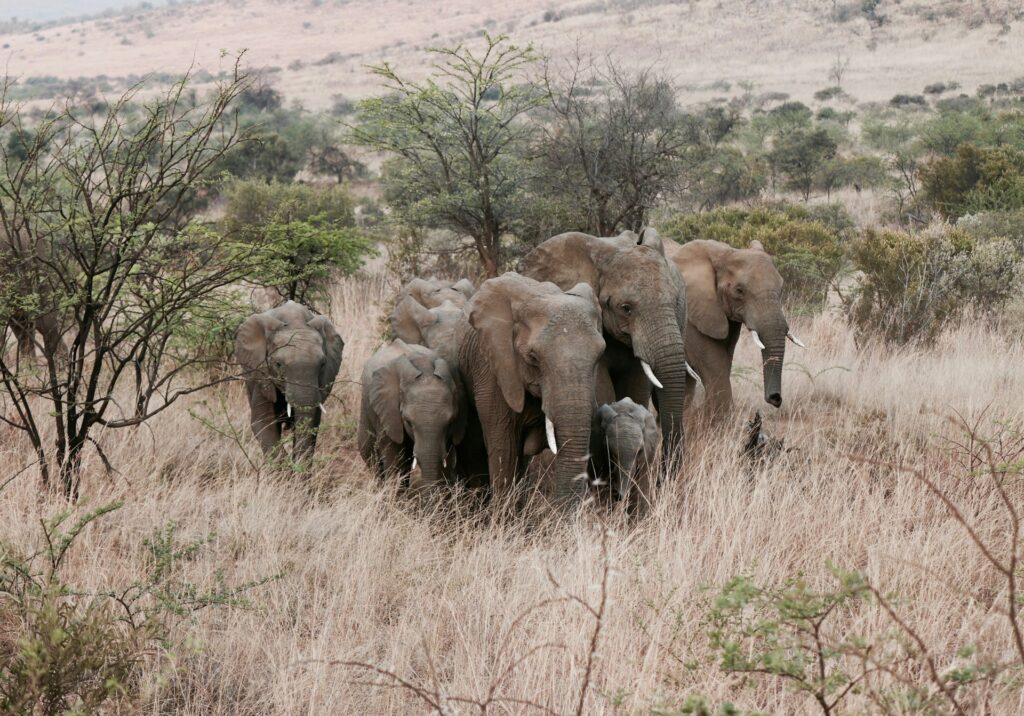
This article examines the least favorable periods for visiting Tanzania, highlighting significant challenges travelers may face, including transportation issues, wildlife migration patterns, and health hazards. By acquiring a greater comprehension of these obstacles, potential visitors can make educated selections, ensuring that their experience through this remarkable place is both fulfilling and memorable.
When is the worst time to visit Tanzania, all you need to know
Traveling to Tanzania can be an extraordinary experience; yet, particular seasons provide significant hurdles that may affect your journey. The nation experiences two primary rainy seasons: the prolonged rains from March to May and the brief rains from October to December. During these intervals, the volatility of precipitation may result in:
Impassable Roads: Numerous rural regions may become difficult to access owing to mudslides and flooding.
Wildlife Viewing Limitations: Animals frequently migrate to regions with superior feeding opportunities, resulting in fewer predictable sightings.
Health Risks: The rainy season can elevate the population of mosquitoes, hence increasing the danger of malaria.
Moreover, the humidity and lower temperatures during the rainy seasons render trekking less enjoyable, particularly for individuals aspiring to ascend Mount Kilimanjaro, where conditions might rapidly worsen. In contrast, during the dry season, specifically from June to September, the terrain is generally arid, and fauna gathers around water sources, rendering this period more advantageous for safaris. Utilizing our insights at Gezify, vacationers can effectively prepare for seasonal problems, guaranteeing they select the optimal time for their expedition in this enchanting country.
| Season | Characteristics | Travel Tips |
|---|---|---|
| March to May | Long rains, unpredictable weather | Avoid remote areas and prepare for wet conditions |
| October to December | Short rains, increased mosquito activity | Stay in urban areas or ensure proper medical precautions |
| June to September | Dry season, ideal for wildlife | Perfect time for safaris and hiking |
Managing Tourist Congestion and Weather Interruptions for a Better Tanzania safari Experience
Traveling to Tanzania can be an enchanting experience; however, it is crucial to acknowledge the possible difficulties presented by tourist congestion and erratic weather conditions. To enhance your travel experience, contemplate the following factors:
Timing Your Visit: Comprehending the peak and off-peak seasons can markedly improve your experience. The dry season, spanning from June to October, has an increase in tourist attendance. Conversely, the rainy season, especially from March to May, may dissuade visitors yet frequently provides a more serene experience.
Plan for Crowds: Renowned destinations such as Serengeti National Park and Mount Kilimanjaro may experience overcrowding. To circumvent congestion, schedule your trips early in the morning or later in the afternoon when the crowds are less dense.
Climate Awareness: Tanzania’s weather can be erratic. Always consult local weather forecasts before to your travel and be ready for abrupt alterations. Utilizing packing layers, a poncho, and robust footwear can significantly impact one’s experience when confronted with unforeseen rain or cold conditions.
Local Insights: Interacting with residents or tour guides can yield significant information. They might suggest lesser-known locations or optimal times to visit renowned attractions, maximizing your travel experience.
Employing these tactics can assist you in circumventing the possible challenges posed by crowds and weather, so enhancing your experience in Tanzania. Bear in mind that meticulous planning significantly contributes to the creation of indelible memories in this stunning locale.
Although Tanzania is a stunning place with unmatched beauty, comprehending the limitations of traveling during specific periods can significantly improve your experience. The rainy seasons, high tourist influx, and severe weather conditions can transform an ideal trip into a vexing experience. By deliberately planning your stay, you can circumvent these problems and completely appreciate the marvels that Tanzania presents. With best timing, this remarkable country unveils its allure in a manner that creates enduring memories, rather than only presenting problems. Wishing you secure travels!
When organizing your ideal Tanzania safari, a crucial step is determining the optimal time for your visit. Optimal timing significantly influences your experience, whether it pertains to exhilarating wildlife migrations, favorable weather conditions, or the chance to observe the marvels of Mount Kilimanjaro.
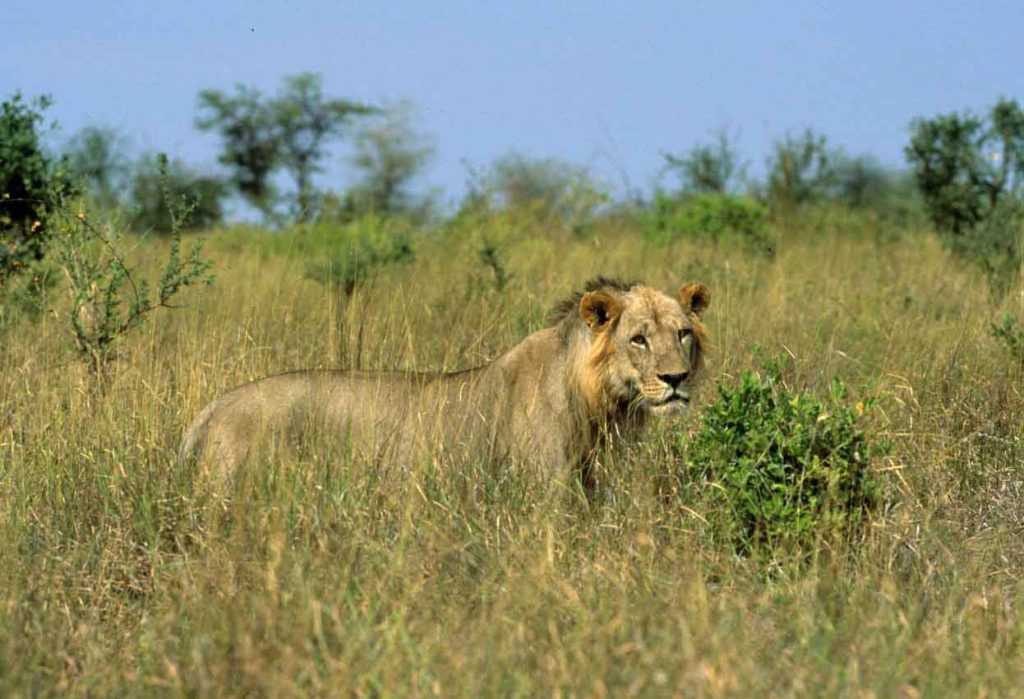
Ultimate Guide on the best time to visit Tanzania Month by Month
This guide from Gorilla Trekking in Africa provides comprehensive information regarding the optimal time to visit Tanzania, encompassing the premier safari seasons, climatic conditions, and distinctive travel experiences to assist in planning an ideal safari expedition.
The climatic seasons in Tanzania
January to March
The initial months of the year are generally the warmest period in Tanzania, reaching its zenith in February. This season is predominantly arid and is among the most favored periods for safaris. Parks may appear somewhat congested, particularly during the New Year period.
March to May
The period from mid-March to May is the “long rainy season,” characterized by nocturnal and morning precipitation. Typically, the sun emerges in the afternoon, and the evenings are tranquil and serene.
The rainfall renders the environment verdant, while the fauna in the parks exhibit vivacity and activity, with ample water sources available throughout.
Nevertheless, certain rugged pathways within the parks may be inaccessible owing to inundation or substantial muck. The primary roads within the parks are generally in good condition, and numerous parks, including the Ngorongoro Conservation Area, feature extensively paved sections that provide no driving difficulties.
This season has a marked decline in tourist numbers, and almost all lodgings provide discounts for the off-peak period. Guests unperturbed by rainy mornings have reported that their safari during the wet season resembled an intimate, secluded expedition, as they perceived the park as exclusively theirs to observe the remarkably active wildlife in the lush, verdant woodlands.
June to September
This timeframe is regarded as the “cold” season in Tanzania. For locals, the temperature is frigid (evidenced by individuals donning winter jackets and hats), yet visitors from warmer climates perceive it as agreeable and invigorating. Bring a jacket for cool mornings; nonetheless, afternoons are pleasant, typically bright, and characterized by dry weather.
This is another peak tourist season in Tanzania, characterized by a high influx of people to the national parks. If you dislike hot weather, this is the optimal time to visit during Tanzania’s dry season. This period is especially prevalent for observing the Great Migration at Serengeti National Park.
October to December
The short rains often occur between October and December, with temperatures rising as the year concludes.
October marks the blooming of jacaranda trees throughout East Africa, presenting a stunning display of trees adorned with purple blossoms. In December, the Flame Trees bloom, exhibiting a vivid red hue just prior to Christmas.
Christmas is a favored period for travelers to travel to Tanzania, and often, the short rains cease by mid-December. Numerous travelers organize unique activities to celebrate the Christmas season, such as ascending Mount Kilimanjaro to honor the occasion. Hotels and lodges may provide a festive holiday supper for patrons. December weather is typically deemed optimal; nevertheless, parks and lodgings may see greater congestion compared to other periods of the year.