 info@gorillatrekkinginafrica.com

Top 10 Best Wildlife Sanctuaries In Africa
Top 10 Best Wildlife Sanctuaries In Africa, Numerous sanctuaries have been established in Africa to offer refuge and protection to orphaned and endangered animals, which have subsequently become significant tourist attractions. The ten premier wildlife sanctuaries in Africa comprise the Ziwa Rhino Sanctuary, Ngamba Island Chimpanzee Sanctuary, Khama Rhino Sanctuary, and the David Sheldrick Wildlife Trust Sanctuary, among others.
Africa is renowned for tourism because of its abundant biodiversity, emblematic wildlife safaris, breathtaking natural landscapes, cultural heterogeneity, historical landmarks such as the Pyramids, dynamic cities, and a plethora of adventure and recreational activities. It provides a distinctive and varied travel experience, attracting visitors globally. The following are the Top 10 Best Wildlife Sanctuaries In Africa
Ziwa Rhino Sanctuary
This is one of the ten premier wildlife sanctuaries in Africa, situated in Uganda, known as the Pearl of Africa. Ziwa Rhino Sanctuary was founded in 2005 through a partnership with the Uganda Wildlife Authority (UWA), the Rhino Fund Uganda (RFU), and many foreign conservation organizations, with the principal objective of safeguarding the critically endangered white rhinoceros.
Ziwa Rhino Sanctuary is one of the two principal sanctuaries in Uganda. It is the sole location where one may observe and monitor rhinos. Visitors are escorted by knowledgeable rangers on foot to witness these majestic creatures in their natural environment. It provides a distinctive opportunity to see these gentle giants closely and get knowledge about their behavior, biology, and conservation. Tracking rhinos is an essential activity in the refuge.
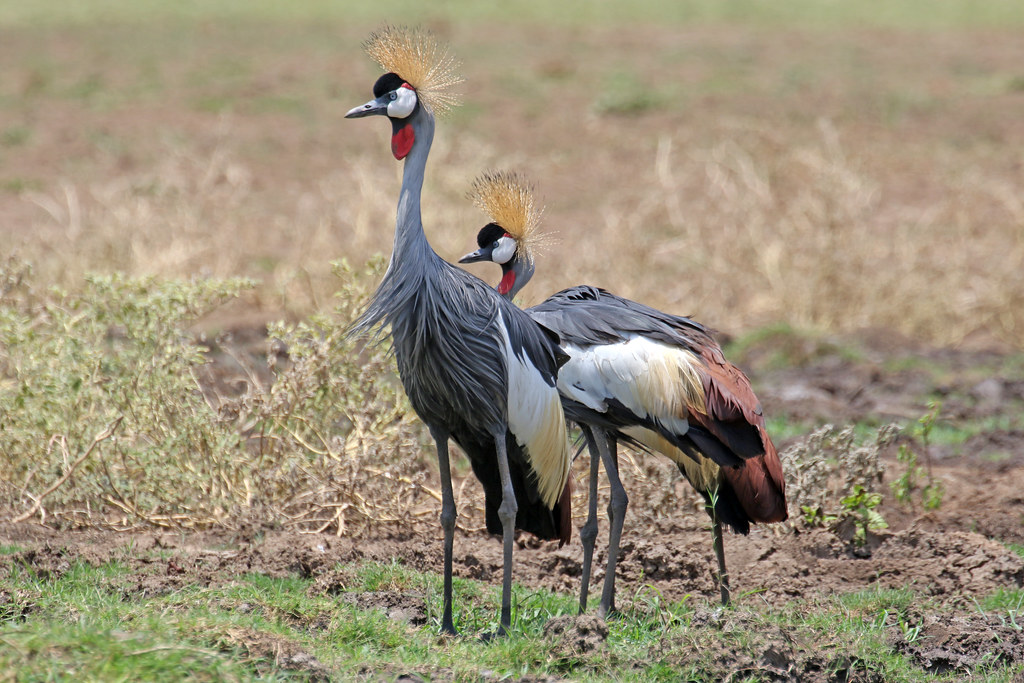
Besides observing rhinos, the sanctuary offers numerous activities, such as birdwatching. The varied ecosystem, comprising wetlands and savannas, sustains approximately 300 avian species, rendering it an exceptional location for ornithological observation. To ensure an exceptional birdwatching experience, you should bring drinking water, sunscreen, closed-toe shoes, long pants, bug repellent, and your camera.
Guided nature walks are offered for those seeking to investigate the sanctuary’s flora and fauna. This is an opportunity to observe several wildlife species, including antelopes, monkeys, and reptiles, beside native flora.
Ziwa Rhino Sanctuary provides lodging options that vary from rudimentary campsites to more luxurious hotels. Overnight accommodation at the sanctuary enables visitors to thoroughly engage in the experience and optimize their time observing rhinos.
The Ziwa Rhino Sanctuary is accessible throughout the entire year. It is advisable to verify with the sanctuary beforehand to ascertain the availability of rhino tracking activities.

Ngamba Island Chimpanzee Sanctuary
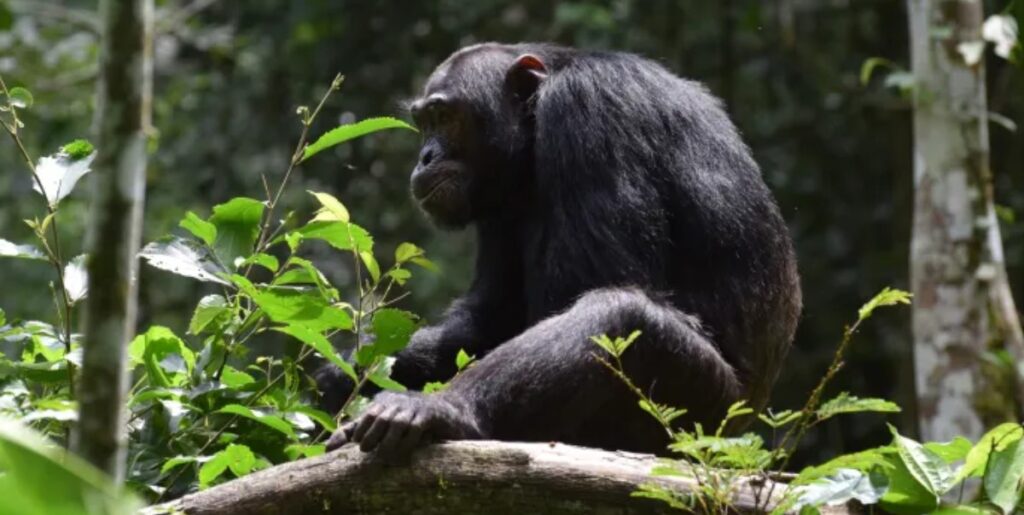
Ngamba Island is among the top ten animal sanctuaries in Africa, situated on Ngamba Island in Lake Victoria, Uganda. It is situated roughly 23 kilometers (14 miles) southwest of Entebbe, Uganda’s international access point. The Ngamba Island Chimpanzee Sanctuary was founded in 1998 through a partnership between the Uganda Wildlife Education Centre (UWEC), the Jane Goodall Institute (JGI), and various other organizations. It is mostly intended for chimpanzees.
Ngamba Island Chimpanzee Sanctuary, located in Uganda, offers visitors opportunities to engage in activities such as chimpanzee viewing, nature hikes, and bird watching, given its diverse array of avian species. The sanctuary provides educational programs to enhance knowledge of chimpanzee conservation and animal preservation, as well as volunteer opportunities for anyone interested in engaging in many facets of chimpanzee care and conservation. Supplementary activities include day excursions, sunset cruises, and fishing.
The refuge is accessible to visitors throughout the year via a boat excursion, which generally lasts between 45 minutes to an hour, depending on weather conditions and the type of vessel employed. The vessels are outfitted for passenger comfort and safety.
Ngamba Island provides lodging for individuals desiring to stay overnight. These lodgings vary from rudimentary tents to more luxurious cottages.
The Taita Hills Wildlife Sanctuary
The Taita Hills wildlife Sanctuary ranks among the top 10 wildlife sanctuaries in Africa, located in Taita-Taveta County, roughly 220 kilometers (136 miles) from Mombasa and around 400 kilometers (248 miles) from Nairobi, the capital of Kenya. The refuge encompasses roughly 28,000 acres (around 11,300 hectares) in the Taita Hills.
The Taita Hills animals Sanctuary is among the premier sanctuaries in Kenya, housing a diverse array of animals, including elephants, buffaloes, giraffes, zebras, antelopes, and several bird species. The primary activities of the Taita Hills Wildlife Sanctuary encompass game drives, guided nature walks, visits to the Taita Hills Museum, and birding.
The sanctuary is reachable by road, with a range of accommodations from basic tents to more pleasant cottages nearby, while the town of Voi provides a handy base for visiting the sanctuary.
The Taita Hills Wildlife Sanctuary provides a choice of accommodations for travelers, from luxury to mid-range options, such as the Salt Lick Safari Lodge and Taita Hills Safari and Spa.
The David Sheldrick Wildlife Trust Sanctuary
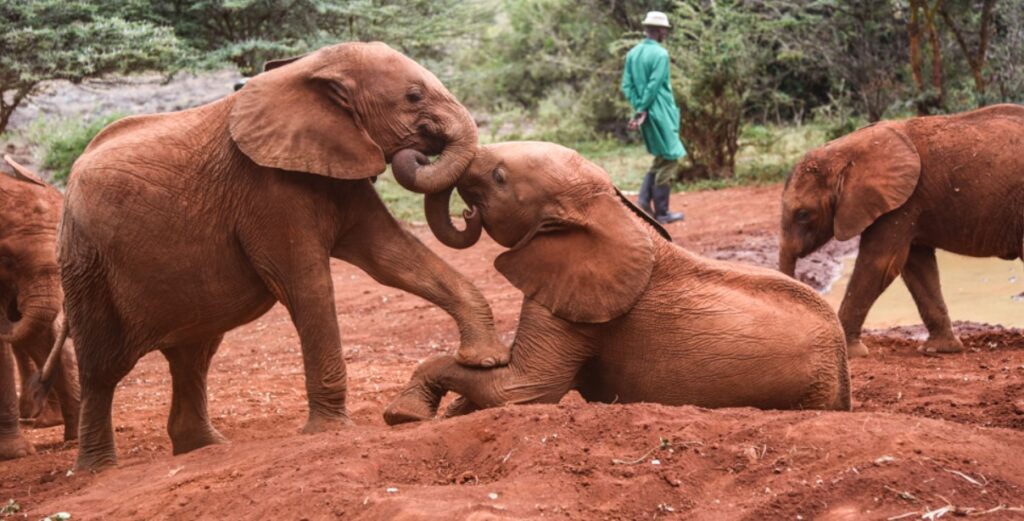
The Sheldrick wildlife Trust (SWT) is a renowned and esteemed entity among the top ten animal sanctuaries in Africa, situated within Nairobi National Park, thus being one of the rare sanctuaries located within a major urban area. Nairobi National Park is located approximately 7 kilometers (4.3 miles) from the city center of Nairobi, Kenya. The organization was established in 1977 by Dame Daphne Sheldrick and her spouse David Sheldrick.
It is mostly recognized for elephants and rhinoceroses and provides activities such as game drives, guided nature walks, and birding. The varied habitats offer opportunity to experience a broad spectrum of flora and wildlife.
Nairobi provides a diverse array of hotels, lodges, guesthouses, and Airbnb accommodations. Numerous motels offer transportation to and from the refuge as an inclusion in their safari packages.
The Taita Hills Wildlife Sanctuary is reachable by Jomo Kenyatta International Airport, the main airport in Kenya, accommodating both international and domestic aircraft. The refuge is readily accessible by road.
Lumo Community Wildlife Sanctuary
This is among the top ten wildlife sanctuaries in Africa, situated in Taita-Taveta County in southeastern Kenya, adjacent to the Tanzanian border. It is a component of the large Tsavo ecosystem and borders Tsavo West National Park. It has an area of around 125 square kilometers (48 square miles).It is mostly recognized for its rich array of wildlife, including elephants, leopards, lions, giraffes, zebras, impalas, waterbucks, and several smaller species, as well as a significant variety of avian life that provides birdwatching opportunities for tourists at the sanctuary.
The Lumo Community wildlife Sanctuary provides several activities for tourists to engage with the area’s natural beauty and animals, including game drives, night game drives, guided nature walks, guided birdwatching excursions, and photography.
Numerous lodges and campsites are available within and next to the sanctuary, offering accommodations that vary from economical to opulent. These lodgings frequently provide possibilities for animal observation directly from the convenience of your room or tent.
Lumo Community Wildlife Sanctuary is reachable by road and is situated near Voi, a town that acts as an entrance to Tsavo National Park. Nairobi, the capital of Kenya, is situated roughly 300 kilometers (186 miles) distant.
The optimal period for wildlife fans seeking diverse animal sightings is the dry season, from June to October; nonetheless, the green season presents distinctive chances for birdwatchers and admirers of verdant landscapes.
Khama Rhino Sanctuary
This is also included among the ten greatest wildlife reserves in Africa. Situated at Serowe, roughly 320 kilometers (200 miles) northeast of Gaborone, it encompasses an area of approximately 4,300 hectares (10,600 acres).
It is mostly recognized for its populations of endangered white rhinoceros (Ceratotherium simum) and black rhinoceros (Diceros bicornis). The sanctuary functions as a refuge for several wildlife species and provides travelers with possibilities to watch these animals in their natural environment.
The sanctuary provides many activities for guests, including as guided game drives, bush walks, birdwatching, and rhino tracking.
The sanctuary is accessible throughout the year; however, the dry season (May to October) is typically optimal for wildlife observation, as animals gather near water sources during this time. Birdwatching is optimal during the verdant season from November to April.
The refuge offers lodging for guests, comprising campsites and self-catering cottages. Remaining within the sanctuary enables people to engage with the natural environment and partake in wildlife observation opportunities.
Elephant Sanctuary located at Hartbeespoort Dam
This is among the top ten animal sanctuaries in Africa, located in the picturesque Hartbeespoort Dam region of South Africa, roughly 90 kilometers (56 miles) northwest of Johannesburg and Pretoria. It is readily accessible from both cities, rendering it a favored location for day trips.
The Elephant Sanctuary in Hartbeespoort Dam is a premier wildlife sanctuary in South Africa, renowned for its African elephants and offering a variety of activities, including guided educational encounters, elephant walks, and elephant-back rides. These activities facilitate intimate interactions with elephants while enhancing their welfare and natural behaviors.
The refuge is readily accessible by road from prominent towns such as Johannesburg and Pretoria. It is a favored locale for both domestic and international visitors.
The sanctuary has housing options, such as the Tuskers Bush Lodge, which delivers high-quality Bed and Breakfast services to its guests.
Mount Meru Game Lodge and Sanctuary
This is recognized as one of the top ten wildlife sanctuaries in Africa, situated in northern Tanzania, specifically in the town of Arusha. The sanctuary encompasses a significant expanse of natural wilderness, providing a tranquil and picturesque setting.
Mount Meru Game Lodge and Sanctuary is a relatively obscure national park in Tanzania, renowned for its rich species, including elephants, leopards, lions, giraffes, zebras, impalas, and waterbucks. It is renowned for its breathtaking scenery, which facilitate a variety of activities, including wildlife drives, nature walks, paddling on the Momella Lakes, and guided treks up Mount Meru.
The resort provides pleasant lodgings, with guest rooms and cottages, amidst verdant gardens and wildlife. Certain accommodations offer breathtaking vistas of Mount Meru.
Arusha, home to the Mount Meru Game Lodge & Sanctuary, is readily accessible by road and features its own airport, Arusha Airport (ARK). This serves as a convenient access point to Tanzania’s northern safari circuit.
The optimal time to visit the lodge and sanctuary is contingent upon your preferences. The arid season, from June to October, is optimal for seeing wildlife, since animals congregate around water sources. The verdant season, from November to May, provides abundant sceneries and exceptional avian observation prospects.
Bambelela Wildlife Sanctuary
Bambelela animal Sanctuary is renowned as one of the top ten animal sanctuaries in Africa, situated in the Limpopo Province of South Africa. It is located adjacent to the village of Bela-Bela (previously known as Warm Baths) within the Waterberg Biosphere Reserve. The sanctuary is committed to the rescue, rehabilitation, and care of several primate species, especially vervet monkeys and baboons.
The sanctuary provides guided tours and educational programs for visitors, internships for veterinary students, nature tours, and field guide training, offering insights into the life of rescued monkeys and the obstacles they encounter. Visitors may watch the creatures and acquire knowledge about their narratives.
Bambelela provides lodging for volunteers or those wishing to engage in their initiatives. These lodgings offer an immersive experience for individuals wishing to support the sanctuary’s purpose. It provides self-catering services to guests by offering rental space. Top 10 Best Wildlife Sanctuaries In Africa
Wild Is Life Sanctuary
This is one of the ten premier wildlife reserves in Africa, situated in Zimbabwe near the capital, Harare. It is mostly intended for elephants. Founded in 1998 by Roxy Danckwerts, the organization emerged in response to the necessity of caring for injured and abandoned animals. It encompasses a diverse array of fauna, including elephants, monkeys, bushbabies, cheetahs, lions, giraffes, warthogs, impalas, and wildebeests.
The Wild Is Life sanctuary provides activities such as interacting with and learning about pangolins, feeding giraffes, seeing plains game, and viewing lions and cheetahs, all of which create a memorable experience for travelers.
The refuge is readily accessible via the road from Harare International Airport.
Accommodation options, from luxury to inexpensive, are readily available in the nearby town of Harare.
SanWild Wildlife Sanctuary
SanWild Wildlife Sanctuary ranks among the top 10 wildlife sanctuaries in Africa, situated in the Limpopo Province of South Africa. Founded by Louise Joubert in 1997, the organization aims to rehabilitate and, when feasible, release animals back into their natural habitats.
SanWild Wildlife Sanctuary is a notable sanctuary in South Africa, housing a varied range of wildlife species, including large felids (such as lions, cheetahs, and leopards), elephants, rhinoceroses, several antelope species, and numerous avian species. They frequently receive animals that have been harmed or seized as a result of illicit wildlife trafficking or habitat degradation.
The sanctuary provides clients with diverse activities, including guided tours, nature walks, wildlife drives, and birdwatching, as it hosts a multitude of bird species.
The refuge offers lodging for tourists, including campsites. Remaining within the sanctuary enables people to fully engage with the natural environment and partake in wildlife observation opportunities.