 info@gorillatrekkinginafrica.com

What Languages Are Spoken in Tanzania
What Languages Are Spoken in Tanzania, Tanzania encompasses more than merely vast grasslands, magnificent animals, and the azure shoreline of Zanzibar. It is a territory where voices resonate with tradition, where each salutation conveys a narrative, and where languages define identity and community. Regardless of whether you are a traveler organizing your ideal safari, a culture aficionado seeking connection, or an individual motivated by curiosity, comprehending the languages spoken in Tanzania provides access to its colorful essence.
The languages of Tanzania, ranging from Swahili in vibrant markets to the melodic tribal dialects in secluded villages, create a symphony as rich and diverse as the nation’s landscapes. Tanzania is recognized for more than just the Serengeti and Mount Kilimanjaro. It is a nation of voices, unified yet exquisitely diverse, where language embodies a celebration of existence and connection.
Swahili: The Essence of Tanzania
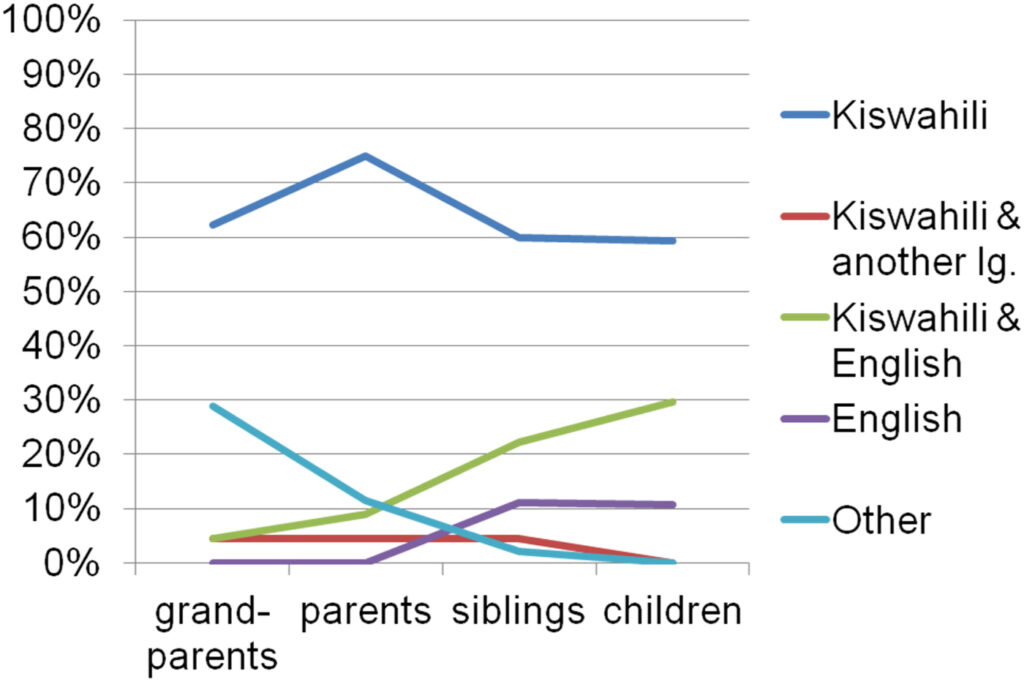
Swahili, often known as Kiswahili, is the predominant language spoken in Tanzania. It serves as both the national and official language, utilized in government, education, trade, and media. Swahili is distinctive for its function in unifying more than 120 ethnic groupings, each possessing an own native language. In Tanzania, Swahili serves not merely as a language but as a national identity.
Swahili has profound origins in the coastal Bantu cultures and has included vocabulary from Arabic, Portuguese, English, German, and Hindi due to centuries of trade and cultural interchange. This abundant linguistic past imparts to Swahili a rhythm and allure that is simultaneously familiar and strange.
Whether you are greeted with a jovial “Karibu!” (Welcome!) or engaging in a local dialogue with a straightforward “Habari?” Learning a few Swahili phrases is not only useful but also a demonstration of respect and a gateway to more profound experiences.
English: The Lingua Franca of Commerce and Academia
Swahili is the predominant language in Tanzania, while English serves as the second official language, essential in the legal system, commerce, academia, and diplomacy. It is frequently instructed in secondary schools and universities, and is regularly utilized in signage, official documents, and formal communications.
English is commonly spoken in prominent towns, hotels, and tourist attractions, including Arusha, Moshi, Dar es Salaam, and Zanzibar. Safari guides, tour operators, and lodge personnel are generally proficient in multiple languages, facilitating effective communication for international visitors.
Nonetheless, beyond metropolitan and tourist regions, English competence may be restricted, particularly among elderly demographics or in rural areas. A fundamental understanding of Swahili is highly advantageous for individuals seeking to explore less conventional destinations.
Ethnic and Tribal Languages: The Essence of the People
Tanzania hosts more than 120 indigenous languages, illustrating its ethnolinguistic variety. These languages mostly belong to four linguistic families: Bantu, Nilotic, Cushitic, and Khoisan.
The most commonly spoken ethnic languages include:
Chaga (Kichaga): Utilized by the Chaga community of Kilimanjaro, this language is distinguished by its melodic intonation and significant historical role in regional trade.
The Haya language, indigenous to the Kagera region adjacent to Lake Victoria, embodies a profound association with customary ceremonies and societal conventions.
The Sukuma, the predominant ethnic group in Tanzania, predominantly speaks the Sukuma language in the northwestern region of the country.
The Maa language of the Maasai people, while not extensively spoken, is emblematic and cherished with pride. It can be heard on the expansive plains of northern Tanzania, particularly around Ngorongoro and Serengeti.
Nyakyusa, Zaramo, and others: Each of these languages serves as a repository of ancestral knowledge, utilized in narratives, music, and rituals.
Notwithstanding this remarkable diversity, the majority of Tanzanians are multilingual. Individuals typically converse in their tribal tongue at home, Swahili in public or educational settings, and English for formal or international affairs.
Language in Education: A Nuanced Equilibrium
The school system of Tanzania embodies its bilingual policy. Swahili serves as the language of instruction in primary schools, guaranteeing that early education is available to everyone. Beginning in secondary school, English serves as the primary language of instruction, a change that may offer difficulties for pupils in remote regions or those with limited exposure to English.
Initiatives have been undertaken to alter this system, facilitating smoother transitions and more inclusive language policy. However, it also highlights the persistent conflict between adopting global communication technologies and safeguarding language heritage.
The Function of Language in Religion and Media
In religious contexts, language has a pivotal function. Churches frequently have services in Swahili, indigenous languages, or English, contingent upon the congregation. Similarly, Islamic sermons in coastal areas may incorporate Arabic, particularly during Quranic recitations.
Tanzanian media, including radio, television, and newspapers, flourishes in both Swahili and English. Radio is a potent medium for engaging the populace in local dialects, rendering it an effective vehicle for education, awareness, and enjoyment.
Languages of Zanzibar: A Cultural Fusion
Zanzibar, the semi-autonomous island adjacent to the Tanzanian coast, possesses a distinct linguistic character. Although Swahili serves as the principal language, the Zanzibari dialect is heavily infused with Arabic elements, illustrating the island’s Islamic origins and extensive history as a commerce center.
Arabic is instructed in several religious institutions (madrasas) and utilized in Islamic rituals. In tourist regions like Stone Town, English is predominantly spoken, and one may also hear Italian or French, due to Zanzibar’s appeal to European tourists.
Language as a Cultural Phenomenon
Tanzania’s distinctiveness lies not only in the multitude of languages spoken but also in its application in daily life to impart values, convey emotions, and fortify community bonds. Proverbs and idioms are fundamentally ingrained in Swahili and other indigenous languages. They are frequently employed in dialogues to impart wisdom or mediate disputes.
The Swahili proverb “Haraka haraka haina baraka” (rush, rush hath no benefits) imparts the significance of patience, a principle that is deeply ingrained in Tanzanian society.
What Languages Are Spoken in Tanzania, Music also contributes to the preservation and celebration of language. Language is employed innovatively, ranging from indigenous tribal chants to contemporary Bongo Flava hits, to narrate stories, convey joy, or promote change.
The Importance of Acquiring the Local Language
Acquiring even a modest vocabulary of Swahili will significantly enhance your experience if you intend to vacation, volunteer, or work in Tanzania. It demonstrates respect, cultivates profound interactions, and frequently yields unforeseen instances of warmth and hospitality.
Below are several basic phrases to initiate your endeavor:
Hello! Greetings!
Thank you very much – I greatly appreciate it.
Please
Pole pole – Gradually, gradually (a prevalent expression for advising relaxation)
Excellent
The majority of Tanzanians are hospitable and grateful when visitors attempt to communicate in the native language, even if only with a few phrases.
Conclusion: A Mosaic of Perspectives
The linguistic landscape of Tanzania mirrors its past, populace, and future. Swahili unites the nation, English connects it globally, while tribal languages anchor it in tradition. Language is not merely a communication tool; it is a dynamic manifestation of identity, solidarity, and pride.
Therefore, when you travel to Tanzania, pay attention. Attend to the dialogues in the marketplace, the melodies from an adjacent hamlet, or the instructive voice during a safari. Each word embodies the essence of this remarkable nation.
In Tanzania, language embodies the essence of Africa, whether via shared laughter in Swahili or the melodic rhythm of a tribal greeting.