 info@gorillatrekkinginafrica.com

Best things to Do in Maasai Mara National Reserve
Best things to Do in Maasai Mara National Reserve: Maasai Mara National Reserve is celebrated as one of the world’s natural marvels and a premier destination for wildlife exploration in Africa, attracting millions of people annually. Nonetheless, it is particularly notable during the wildebeest migration, which typically occurs from July to early October.
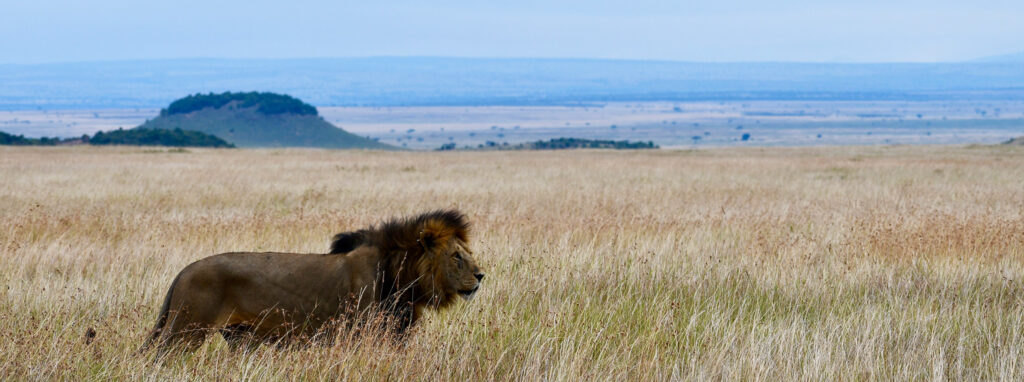
Game Drives:
The Masai Mara is one of the premier destinations for game drive viewing in Africa. The Mara Ecosystem provides an excellent opportunity for wildlife observation, photography, and videography. A game drive in Masai Mara can be conducted in three sessions. The morning game drive commences at 6 AM, the afternoon drive begins at 2 PM, and the full-day game drive operates from approximately 7 AM to 6:30 PM. Regardless of the shift you participate in, anticipate encountering all of the Big Five mammals—lions, buffaloes, elephants, leopards, and rhinoceroses—as well as a diverse array of other species, including zebras, giraffes, hyenas, wildebeests, elands, gazelles, and cheetahs, among others.
Night Game drives
This is a remarkable activity that commences at 6:00 PM and concludes until the late hours of the night. A nocturnal game drive provides an excellent opportunity to observe animals such as leopards, lions, and hyenas engaging in predation. Herbivorous mammalian species remain vigilant and are plainly observable. It is important to note that night game drives are exclusively conducted in private conservancies, facilitated by guides knowledgeable about the locations of various animal species.
Birdwatching
This park is a veritable avian paradise, boasting over 500 bird species. Among them, one can observe giant ostriches, as well as ducks, egrets, geese, herons, hornbills, pelicans, spoonbills, storks, martial eagles, silver birds, secretary birds, grey penduline tits, grey-crested helmet-shrikes, Hildebrandt’s starlings, lazy cisticolas, purple grenadiers, red-throated longclaws, rufous-bellied herons, saddle-billed storks, Schawlow’s turacos, Abdim’s storks, African finfoots, African wood owls, Ayres’s hawk eagles, bateleurs, cinnamon-breasted buntings, Denham’s bustards, grey-crested helmet-shrikes, and numerous others. Birdwatching in Masai Mara is optimal from November to April, coinciding with the arrival of migrants from Europe and North Africa.
The Great Migration of Wildebeests
The most remarkable phenomenon in the Masai Mara National Reserve, which draws millions of tourists, particularly from July to October, is the wildebeest migration. During this event, vast numbers of wildebeest, Thompson’s gazelles, and zebras traverse the Mara River from Serengeti National Park in Tanzania in pursuit of verdant pastures. However, some do not reach Masai Mara because to the hurdles posed by predators en route, particularly the risk of being consumed by crocodiles during crossings. However, the experience is worthwhile in the heart of Africa.
Nature excursions/walking safaris
The nature walk in Mara is an engaging activity that provides an excellent opportunity to observe diverse bird species, wildlife, and explore the picturesque savannah on foot, which is the optimal method to enjoy the reserve’s stunning splendour. It also enables tourists to engage intimately with the environment and unspoilt wildness. The nature walk can be conducted by the proficient guide who accompanied you through many breathtaking trails in the park.
Hot Air Balloon Expeditions
This is an exceptional opportunity to experience breathtaking airborne views of the park’s wildlife, particularly rewarding during the wildebeest migration events. Viewable animals include wildebeest, leopards, elephants, giraffes, hartebeests, lions, a variety of antelopes, and savannah birds. The event endures for one hour and concludes with a picnic lunch, with breakfasts accompanied by champagne on the savannah plains, and participants receive certificates. Hot air balloon safaris are ideal for families and honeymooning couples.
Sundowners and bush breakfast/dinner
This excursion is highly recommended for honeymooners visiting the park. Your hotel or lodge is responsible for organising this romantic dining experience in the savannah, including meals and beverages. Nothing is more breathtaking than witnessing a magnificent sunset in the outdoors while embraced by your sweetheart.
Camping and photographic expeditions
Experiencing a night in the African wilderness alongside wild animals is unparalleled. Public camping necessitates the transportation of food and sanitation facilities, but private camping offers the advantage of pools for relaxation with friends and family. The camping experience enables one to relish an overnight stay amidst the forest, with wild animals in close proximity. The Masai Mara National Reserve features numerous campsites, both public and private, equipped with enough facilities such as expansive kitchens and restrooms. Certain properties provide swimming pools for leisure with friends and family.
What about photography?
The Maasai Mara National Reserve is renowned for its remarkable landscapes, diverse fauna, and various plant species. Several wildlife photographers have visited the reserve to capture the park’s natural beauty and creature diversity. It is not necessary to be a professional photographer to participate in a photographic safari. Perfection is attainable, even in the absence of self-assured knowledge.
Maasai Cultural Experience;
Mara provides not only an exceptional wildlife adventure but also a distinctive culture contact in Tanzania. The Maasai tribesmen represent one of Africa’s most fascinating ethnic groups. They are distinguished by their distinctive clothes and stature. The Maasai inhabit Kenya and Tanzania. The Maasai migrated to Kenya 200 years ago and are thought to have originated from Sudan. Furthermore, the Maasai people hold the belief that all cattle in existence are the property of their forefathers. Regrettably, prior to governmental intervention, the Maasai engaged in raids on adjacent communities to recover their stolen animals, a practice referred to as cattle rustling. Their profession involves maintaining domestic animals as a tradition. A visit to Maasai Bomas is strongly advised, particularly for those travelling with children, as they will be captivated by the Maasai lifestyle, culture, and traditions. During your journey to the rural settlements, you can acquire skills in goat milking, constructing dwellings using indigenous materials like as mud, grass, timber, and dung, as well as utilising traditional hunting implements. One may visit an artist shop for souvenirs, where materials can be purchased for transport home.
Select to reside in one of the exclusive conservancies or ranches;
The Maasai Mara National Reserve attracts a significant influx of visitors from June to November. The Maasai possess these private conservancies, which are encircled by the primary reserve and harbour a greater population of wildlife than the reserve itself. Available activities include nocturnal game drives, nature hikes, and wildlife observation outside the primary trails.
The Mara River.
The Mara River starts in the Kenyan highlands and flows into Lake Victoria. This is a water body that supplies water to the animals in the reserve. Furthermore, the Mara River expands in volume during the wet season and serves as a habitat for some of the largest Nile crocodiles in Africa, hippopotamuses, and significant avian species.
Commence immediately! Planning a journey to one of the most frequented safari places globally, namely the Masai Mara National Reserve. A visit to Maasai Mara can be integrated with other African safari destinations such as Bwindi Impenetrable National Park for gorilla trekking in Uganda, Amboseli National Park in Kenya, and Serengeti National Park in Tanzania, among others.