 info@gorillatrekkinginafrica.com

How to get to Lake Nakuru National Park
How to get to Lake Nakuru National Park: Lake Nakuru National Park is located among the Rift Valley lakes at an altitude of approximately 1,755 meters above sea level. Lake Nakuru National Park is situated in the southern region of Nakuru County, with Nakuru Town as the nearest urban center, approximately 164 kilometers and a two-hour drive from Nairobi, the capital of Kenya. Lake Nakuru National Park is a UNESCO World Heritage Site designated in 2011, an Important Birding Area acknowledged in 2009, and a Ramsar site recognized in 1990. Lake Nakuru National Park is a wildlife sanctuary and a haven for birdwatchers in Kenya, characterized by the stunning vistas of Lake Nakuru, millions of pink flamingos, and other visually appealing locations around the park, which spans an area of 45 square kilometers.
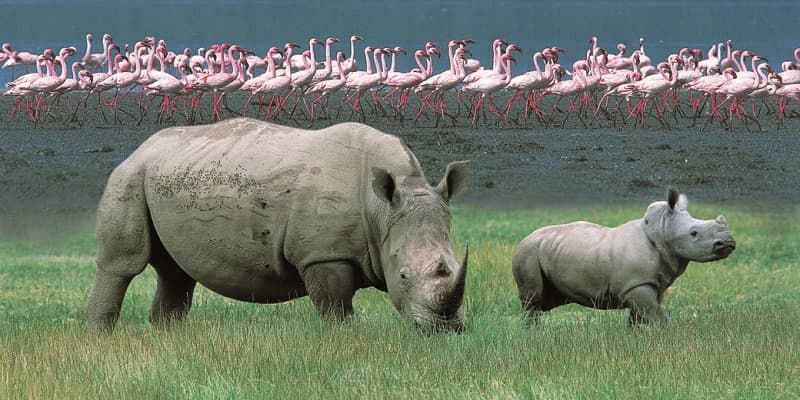
Lake Nakuru National Park is a significant wildlife habitat in Kenya, accommodating approximately 56 distinct species of mammals, including four of the Big Five: lions, rhinoceroses, leopards, and Cape buffaloes. The fauna of Lake Nakuru National Park comprises white rhinos, lions, cheetahs, leopards, buffaloes, elands, waterbucks, hyenas, black and white colobus monkeys, vervet monkeys, olive baboons, and the rare Rothschild’s giraffe, among others. The park hosts a documented 400 avian species, including the Madagascar Pond-Heron, Lesser Flamingo, Pallid Harrier, Greater Spotted Eagle, and Grey-crested Helmet-shrike, as well as substantial gatherings of Greater Flamingo, Black-necked Grebe, Little Grebe, Great White Pelican, Yellow-billed Stork, African Spoonbill, Black-winged Stilt, Grey-headed Gull, and Gull-billed Tern, among others.
How to get Lake Nakuru National Park
Accessing the destination via road
Travelling to Lake Nakuru National Park via road provides a lovely and picturesque experience, showcasing the grandeur of Kenya’s terrain. The renowned route to the park is from Nairobi to Nakuru, often taking 2 to 3 hours and covering roughly 160 kilometres. The route traverses the scenic Great Rift Valley, offering stunning vistas of hills, verdant flora, and occasionally distant herds of wildlife. The highway is meticulously maintained, offering multiple stops for refreshments and local goods. Travelers frequently halt to appreciate the breathtaking vistas from the overlook, where the vast valley extends below, embellished with verdant areas that provide a refreshing contrast to the metropolitan landscape. The voyage provides a distinctive opportunity to engage with the local culture, as the tiny towns along the route unveil the daily lives of the communities flourishing in this lively region.
Via Air Transport
Alternatively, one may choose plane travel to access Lake Nakuru National Park more expeditiously. The closest airport is Nakuru Airport, which mostly accommodates domestic flights, enabling travellers to connect from Nairobi’s Wilson Airport or Jomo Kenyatta International Airport. Despite the brevity of the flight, lasting approximately 30-45 minutes, it provides a unique aerial perspective of the breathtaking Rift Valley and the extraordinary landscapes encircling the park. Upon arrival at Nakuru Airport, guests can arrange local transportation options, like as taxis or rental vehicles, to proceed directly to the park entrance.
Activities in Lake Nakuru National Park
Wildlife expeditions
Participating on a wildlife safari at Lake Nakuru National Park provides an unparalleled chance to witness Kenya’s varied biodiversity. Visitors can traverse the park’s diverse ecosystems, including forests, savannahs, and wetlands, to encounter numerous species. The park is renowned for its remarkable rhinoceros, serving as a sanctuary for both black and white rhinos, so constituting a vital site for conservation efforts. In addition to rhinos, Lake Nakuru National Park hosts a diverse array of animals, including lions, Cape buffaloes, elephants, leopards, zebras, and several antelope species. Wildlife safaris in the park are done at set periods, specifically during early morning and evening excursions. During your wildlife safaris in the park, you will get the opportunity to observe a diverse array of captivating animals, including vibrant birds and floral plants. Guided tours, whether by car or on foot, provide visitors the opportunity to learn about animal behaviour and ecosystems from knowledgeable guides.
Birding
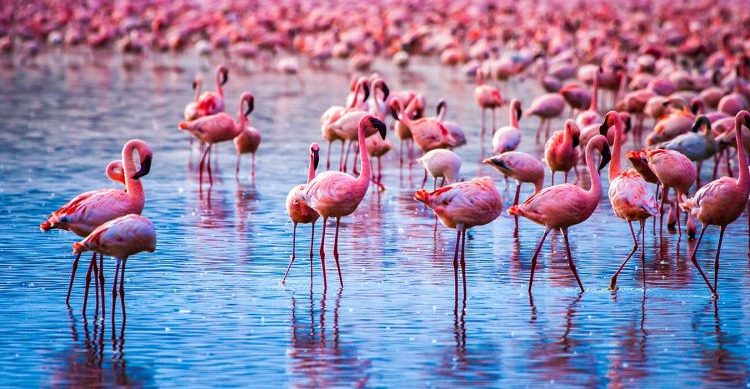
Lake Nakuru National Park is acclaimed as a premier site for birdwatching, recognised as one of the finest birding locales in Kenya. The park hosts around 400 avian species, notably the lesser flamingos that congregate near the lake, frequently in the millions. The vivid pink phenomenon occurring while consuming the lake’s algae is a stunning sight. In addition to flamingos, birdwatchers on tours in Lake Nakuru National Park have ample opportunities to observe various other avian species that inhabit the park, including the Madagascar Pond-Heron, Lesser Flamingo, Pallid Harrier, Greater Spotted Eagle, and Grey-crested Helmet-shrike, alongside substantial congregations of Greater Flamingo, Black-necked Grebe, Little Grebe, Great White Pelican, Yellow-billed Stork, African Spoonbill, Black-winged Stilt, Grey-headed Gull, and Gull-billed Tern, among others.
Landscape photography
Lake Nakuru National Park offers exceptional photographic opportunities, serving as a sanctuary for both amateur and professional photographers. The park’s striking terrain, defined by the expansive alkaline lake encircled by verdant hills and acacia woodland, offers a breathtaking vista for appreciating the splendour of nature. The optimal time for photography occurs during the golden hours, specifically early morning and late afternoon, when the soft light accentuates the brilliant hues of the flamingos and the lush vegetation. The park provides multiple viewpoints where tourists can engage in scenic photography excursions, capturing expansive panoramas, the striking pink hue of the flamingo flock, and detailed images of the area’s diverse animals, among other subjects.
Trekking and nature excursions
Hiking and nature treks provide an unparalleled safari experience for every traveller at Lake Nakuru National Park, Kenya. Hiking and nature walk excursions provide an opportunity to discover the park’s hidden beauties on foot, enabling visitors to navigate its varied terrain while slowly watching wildlife and vegetation. The hiking trails differ in difficulty, accommodating both experienced hikers and families desiring a leisurely walk. These guided walks traverse ecological zones, offering intriguing insights into species interdependence and the importance of conservation initiatives in safeguarding this distinctive ecosystem.
Best time to visit Lake Nakuru National Park
The best time to visit the park is during the dry season, generally occurring from June to March. During this period, the grasslands are less dense, facilitating the observation of animals such as rhinoceroses, buffaloes, elephants, lions, giraffes, zebras, and other antelopes in their natural habitat. Moreover, the lake’s water levels are diminished, attracting substantial flocks of flamingos and resulting in a stunning spectacle. Visiting the park in the dry season entails reduced likelihood of precipitation, facilitating more pleasurable game drives and outdoor activities. The temperatures are typically lower, enhancing comfort for tourists to traverse the park and appreciate the breathtaking vistas of the surrounding scenery.
Another consideration when considering a visit to Lake Nakuru National Park is the significant migration of wildebeest and zebras, which generally transpires in the adjacent Maasai Mara National Reserve from July to October. This indicates an increased probability of encountering these intriguing species traversing the park during this period, enhancing the whole safari experience.
Accommodation options in Lake Nakuru National Park
Lake Nakuru National Park provides a variety of hospitable and comfortable lodging options for your Kenyan safari, categorised into luxury, mid-range, and budget accommodations, including Ziwa Bush Lodges, Lake Nakuru Sopa Lodge, Top Cliff Lodge, The Cliff Nakuru, Sleepway Cottages, Sarova Lion Hill Camp, Lake Nakuru Flamingo Hill Tented Camp, Mbweha Camp, and Lake Nakuru Lodge, among others.