 info@gorillatrekkinginafrica.com

Gombe National Park
Gombe National Park, formerly referred to as Gombe Stream National Park, is a quintessential basic safari location located in the western Kigoma region of Tanzania, approximately 10 miles north of Kigoma. The park, founded in 1968, is one of the smallest national parks in Tanzania, encompassing an area of 35 square kilometres along the hills on the eastern bank of Lake Tanganyika. The habitat is characterised by steep valleys, with vegetation that transitions from grassland to woodland and ultimately to tropical rainforest. Gombe National Park is renowned for the significant contributions of Dr. Jane Goodall, who initiated her behavioral studies on chimpanzee populations there. In 1960, she commenced a study on the habituated population of wild eastern chimpanzees in the Kasekela chimpanzee community. Additionally, Dr. Jane Goodall has authored several books and produced movies primarily focused on primates, particularly chimpanzees. The substantial population of chimpanzees has rendered Gombe a prominent tourist attraction. In addition to chimpanzee species, Gombe is home to numerous primates, including olive baboons, red colobus, red-tailed monkeys, blue monkeys, and vervet monkeys. Furthermore, Red-tailed monkeys and Blue monkeys are reported to intermix in the region.
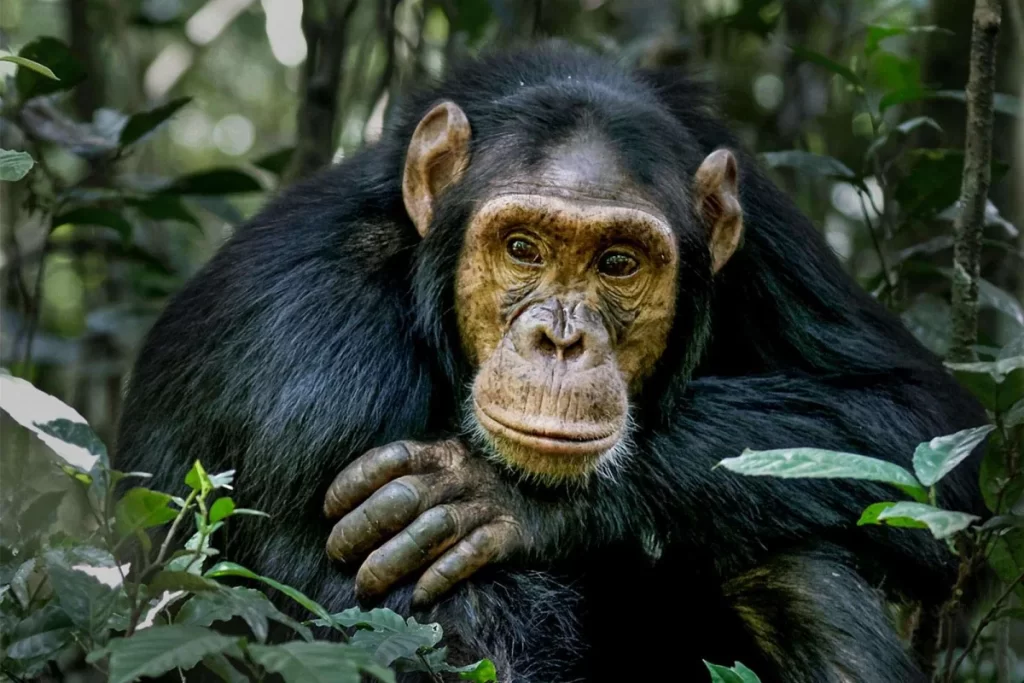
The park serves as a sanctuary for over 200 avian species and is inhabited by wildlife such as bush pigs, snakes, leopards, and hippopotami, among others. Gombe National Park is an excellent site for observing primates, particularly chimpanzees. Additionally, one may swim and snorkel in Lake Tanganyika, which hosts over 100 kinds of vibrant cichlid fish. This park is administered by an entity known as the Tanzania National Parks Authority.
It is important to acknowledge that the research conducted by local primatologist Jane Goodall, who dedicated many years to researching the behaviours of endangered chimpanzees in the Gombe jungles, has significantly contributed to the enhanced design of new protected areas. She did study on the local baboon population, warranting much acclaim for her exemplary work.
It is well established that chimpanzees share approximately 98% of their genetic material with humans, and no scientific skill is required to differentiate between the two species.
The decline in numbers is mostly attributed to threats such as human encroachment and insufficient collaboration among park management, governmental sectors, and rural people. However, all can be regulated or halted if the government implements stringent laws and restrictions.
Canoeing
Kayaking is an exceptional activity conducted in Gombe National Park on Lake Tanganyika. It involves manoeuvring a small, narrow boat using a double-bladed paddle for four hours, allowing for extensive exploration of the lake’s breathtaking features and the surrounding park.
Sport Fishing
Fishing can be pursued at your convenience, allowing you the enjoyment of catch and release on the lake during calm weather conditions. The crew possesses expertise in all facets of fishing. Utilise well-equipped sport fishing vessels and knowledgeable crews to guarantee an exhilarating experience on Lake Tanganyika.
Snorkelling and scuba diving
Lake Tanganyika serves as an excellent destination during your safari to Gombe National Park, offering opportunities for snorkelling and diving that enhance your experience. During the snorkelling exercise, you will encounter an entirely captivating universe as you explore underwater. Gombe is an appealing location for snorkelling and diving. The action endures for three hours on the lake.
Location for filming
The park is favored by journalists for filming, and numerous Tanzanian TV crews are observed gathering here for optimal photography. Overall, it is a compelling subject regarding chimpanzees and conservation efforts. Furthermore, the research indicates that over the years, foreign organisations such as National Geographic and BBC have shown considerable interest in Gombe’s chimpanzees and the surrounding forest.
Butterfly Observation Experience
Gombe boasts exquisite natural beauty, featuring vibrant butterflies among the little fauna of the Gombe jungle. The park is home to more than 500 species of butterflies.
Bird Existence
Gombe National Park is home to various bird species, including the renowned fish eagle, three varieties of kingfishers, and the vibrant Peter’s twinspot. Other species include the palm vulture, and avian species can be observed around the shores of Lake Tanganyika, with the optimal period being the wet season from November to April when food is abundant. Notable avian species to observe include the African fish eagle, African paradise flycatcher, Kenya rufous sparrow, Livingstone’s turaco, palm-nut vulture, red-chested cuckoo, yellow-rumpled tinkerbird, Ross’s turaco, red-capped robin-chat, Peter’s twinspot, double-toothed barbet, crowned eagle, backsaw-wing, and African broadbill, among others.
The Gombe Stream National Park is situated along the shores of Lake Tanganyika, enveloped by picturesque forests, and intersected by 13 streams that cascade down the escarpment to the sandy beach. During your vacation, you may also partake in swimming at Lake Tanganyika, where the breathtaking view of the forested slopes ascending the high escarpment provides a remarkable and unforgettable experience.
Climatic Conditions – Gombe National Park Expedition
Gombe experiences a mild climate characterized by a dry season from May to October, accompanied by humidity and storms. The wet season transpires from November to April. It receives cool weather averaging approximately 15 degrees Celsius, which is rather pleasant. Significant amounts of water accumulate in the park during rainfall.
The optimal time to visit Gombe National Park is year-round; however, the most favorable period for unobstructed exploration is from July to October and December to February. It is noteworthy that Gombe National Park does not experience significant crowds, allowing for visits at any time of the year. The wet season occurs from November to April, at which time one can visit the park for chimpanzee tracking; nevertheless, locating them during this period necessitates far greater work.
The Best time visit Gombe National Park
The best time for chimpanzee trekking in Gombe National Park, Tanzania, is during the rainy season (November to mid-May), when lush vegetation flourishes, offering breathtaking scenery. Conversely, the dry season (May to October) presents opportunities for superior photography and both short and long hikes.
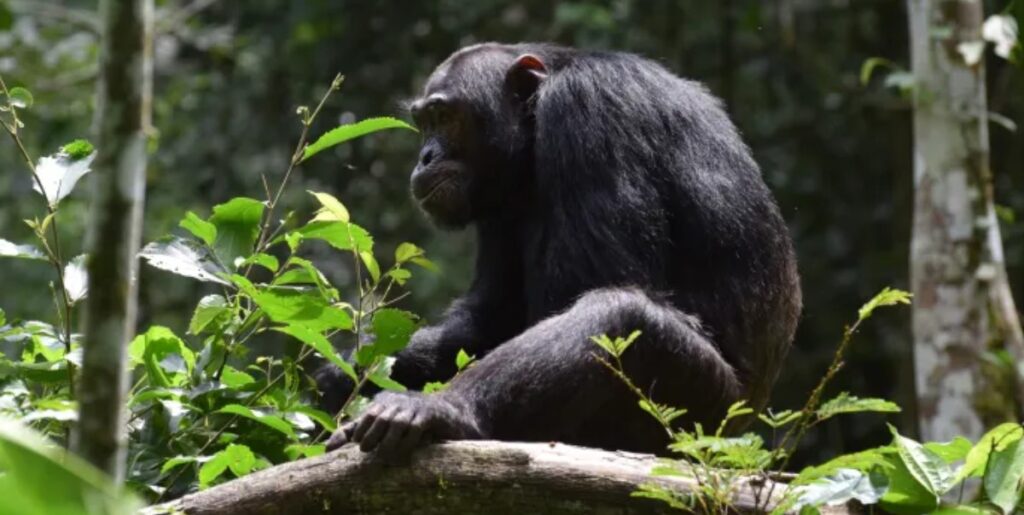
Gombe National Park is an exceptional location for observing chimpanzees in Tanzania, as it hosts habituated chimpanzee groups that may be tracked and viewed with the assistance of expert ranger guides along the main tracking trail. The wild chimpanzees in this park are essential to Jane Goodall’s studies on primates in Africa, as this is where she commenced her study of chimpanzees in East Africa. Gombe National Park is home to several primate and wildlife species, including olive baboons, red-tailed monkeys, red colobus monkeys, diademed monkeys, leopards, bushbucks, buffalo, waterbucks, barbets, palm-nut vultures, Forbes’ plovers, African fish eagles, and Peters’s twin spots, among others.
Accommodation in Gombe National Park
The Gombe Stream offers ideal lodging options for guests, ranging from luxury to affordable accommodations, all with rewarding views of nature. Included among these lodges are Mbali Mbali Gombe Lodge, Kigoma Hilltop Hotel, Leaders Lodge, Mahale Classic Lodge, Triple J Resort, and Sunset Vista Hotel, among others.
Commence your journey, primate enthusiasts, to explore one of Africa’s premier locations for observing these exquisite chimpanzee species in their natural habitat, Gombe National Park – Gombe Stream. This site has maintained a high standard of tracking these species since Jane Goodall’s visit, which initiated a research centre focused on acclimating chimpanzees to human presence. Consequently, it ranks as the world’s longest-running study of any wild animal population, particularly the exceptionally habituated chimpanzee species.