 info@gorillatrekkinginafrica.com

Gaiters and Essential for gorilla trekking
Gaiters and Essential for gorilla trekking are those that a traveler must own to ensure a successful and seamless safari while exploring the endangered gorilla species. Gorilla trekking include traveling into the verdant woods and rugged terrains of Volcanoes, Virunga, Mgahinga Gorilla, and Bwindi Impenetrable National Parks, which serve as the natural habitat for the endangered mountain gorillas. Due to the high-altitude habitats of these mountain gorillas, characterized by dense foliage, guests are recommended to bring essential gear for gorilla trekking. Bwindi Impenetrable Forest National Park in Uganda earns its designation of ‘impenetrable’ for valid reasons, and the nettles of Rwanda should not be taken lightly. To ensure an optimal gorilla trekking safari experience, carry the following items:
Valid Visa and Passport
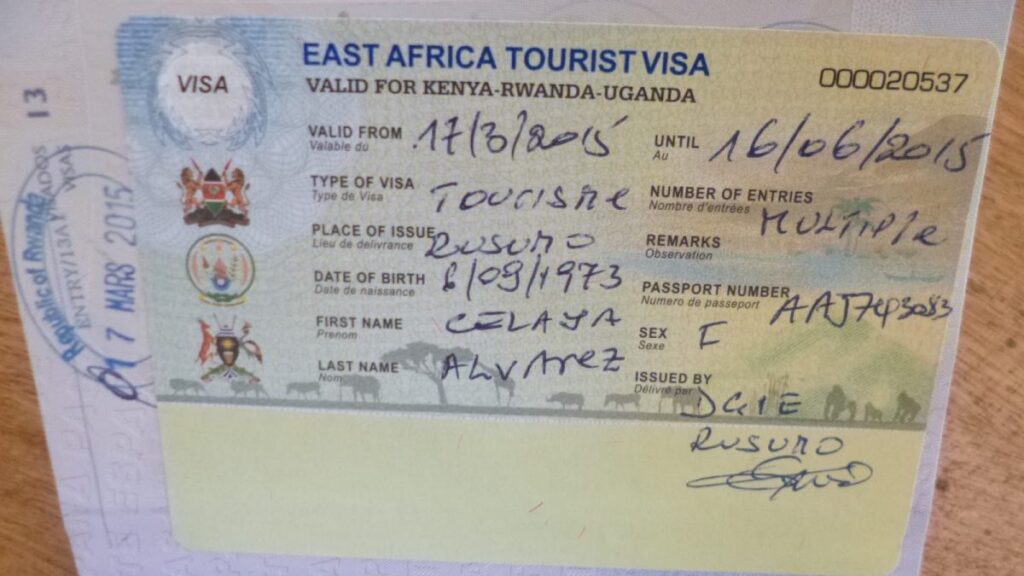
Travelers must possess a valid and unaltered passport to enter any nation, along with a valid visa that authorizes their stay for a specified duration. Visas for Rwanda and Uganda are obtainable both online and upon arrival at airports or border crossings. The cost of a single-entry visa for Rwanda is $30, whereas for Uganda it is $50. Travelers may acquire an Eat African visa, permitting admission and residence in any East African nation for a duration of up to 90 days, at a cost of $100.
Gorilla tracking Permit
Individuals lacking a gorilla tracking permit are prohibited from engaging in a gorilla trekking safari trip or participating in the activity. A gorilla tracking permit is an authorization that permits participation in a gorilla tracking trip. Gorilla tracking licenses are rapidly sold out due to high demand and limited availability. Consequently, travelers planning a gorilla trekking safari are recommended to book well in advance to acquire their permits, priced at $400 in Congo, $700 in Uganda, and $1500 in Rwanda. In Uganda, gorilla licenses are allocated by the Uganda Wildlife Authority, while the Rwanda Development Board manages permits for Rwanda. Travelers may acquire these permits directly or have a reliable tour operator procure them on their behalf.
Following the acquisition of your valid passport, secured gorilla trekking permit, and appropriate visa for entry into the nation, it is imperative to meticulously analyze the appropriate packing list for gorilla trekking. The foliage in the aforementioned national parks, which are home to mountain gorillas, is dense, and the terrain is both impressive and requires proper preparation. The following gorilla trekking packing list will assist you in preparing for a successful gorilla trekking trip.
Long safari trousers
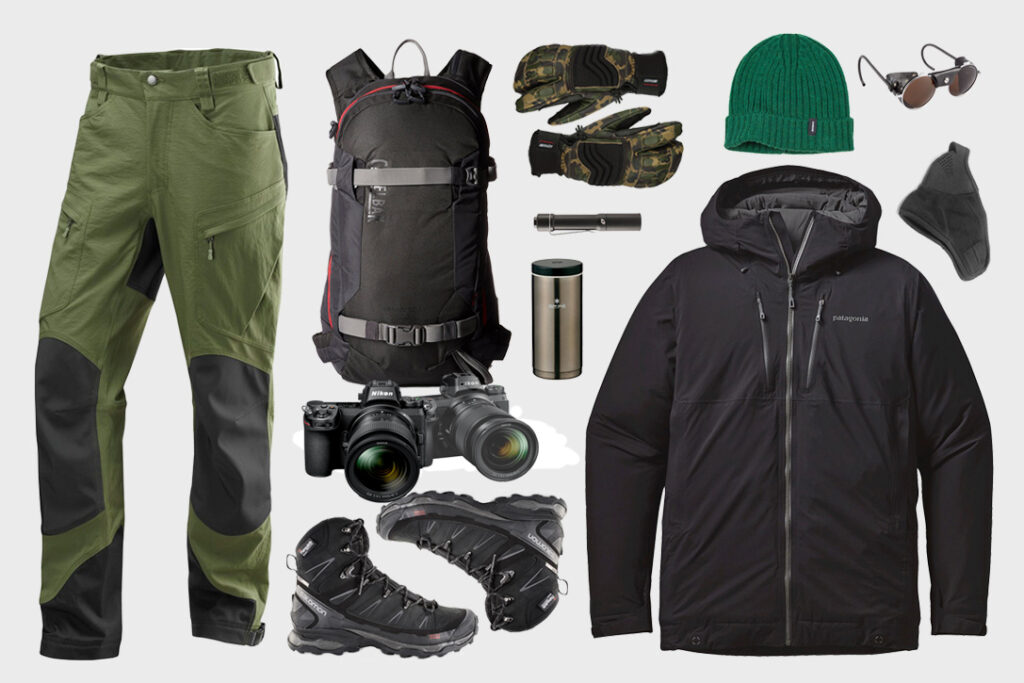
The vegetation cover in these national parks is dense, abundant, and characterized by numerous tree branches. Wearing long safari trousers will shield you from bruises and scratches caused by vegetation and prevent reactions from some plants that may come into contact with your skin. Choose suitable colors that harmonize with the wildlife and surroundings to reduce the influence on fauna. Kaki and dark green are OK; please do not confuse these with white, as the latter will result in black and green stains from both mud and vegetation. Additionally, evaluate the trousers’ capacity for elasticity to ensure they do not restrict your mobility during the ascent and descent.
Long-sleeved shirts or t-shirts
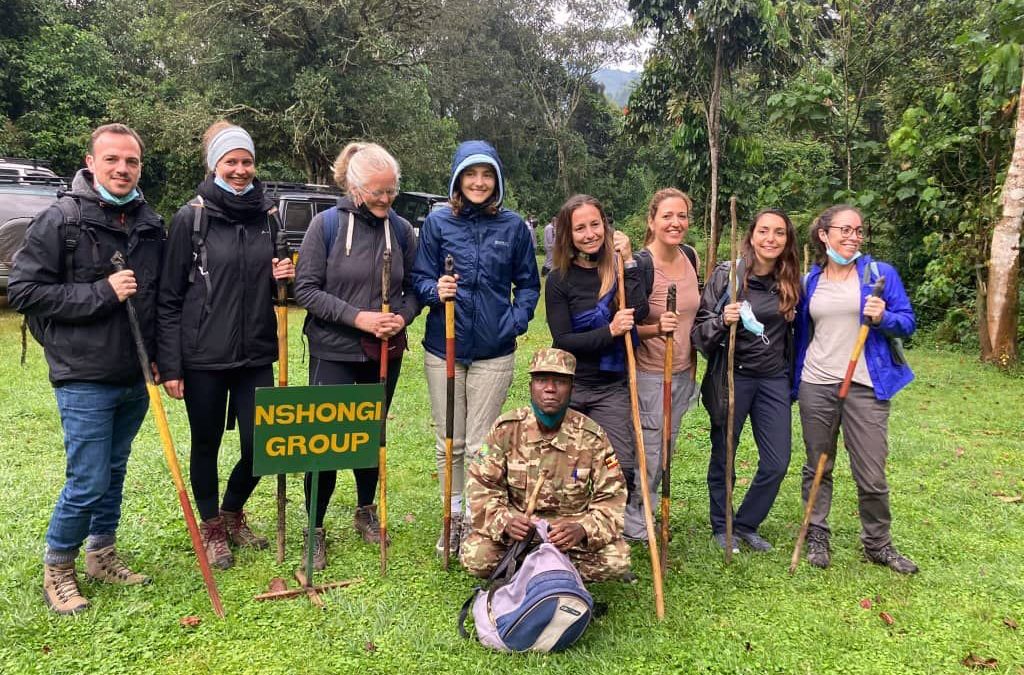
Long-sleeved shirts will safeguard your arms from abrasions caused by the dense foliage and tree branches. The shirts or t-shirts you select for packing must provide warmth during inclement conditions and remain breathable in the event of warmer weather.
Water-resistant or raincoat
Mountain gorillas inhabit high-altitude regions and tropical rainforests characterized by significant fluctuations in weather patterns, regardless of the season. Possessing a waterproof jacket or raincoat is crucial, as precipitation in these rainforests might occur unexpectedly, even during the months deemed dry and most advisable. The day may commence with brightness in the morning, but typically, rain ensues in the afternoon. When selecting or acquiring a waterproof or rain jacket, ensure it is lightweight yet sufficiently robust to resist punctures from shrubs and branches, and confirm that it includes a hood to protect your head from heavy rainfall.
Closed trekking boots
The terrain surrounding the habitats of these mild mountain gorillas necessitates appropriate footwear, which can significantly enhance or detract from your gorilla trekking experience. Waterproof hiking footwear with superior traction is the optimal recommendation. Utilize comfortable, well-fitting, and waterproof hiking footwear. Waterproofing them safeguards your feet from moisture when traversing puddles, mud, tiny rivers, or during rainfall. Avoid the temptation to bring hiking sandals or open-toed footwear at any time.
Bulky socks and gaiters
Thick socks are essential for tracking mountain gorillas in Bwindi Impenetrable National Park. Various insects may ascend should you choose to remain standing, even for a brief moment. They will ascend your legs rapidly, and some are notably reactive and can sting, akin to red ants. Ensure your socks can be secured to your pants, leaving no gap whatsoever. The gaiters can be donned over the trousers and footwear.
Water-resistant and compressible hat
Wearing a hat will provide protection from the sun’s rays when it is shining. The sun can indeed be intense at times. The waterproof feature proves advantageous during rainfall.
Waterproof backpack
A waterproof backpack will save your essential items, particularly during rainfall, such as phones and cameras.
Insect repellent formulations
Gaiters and Essential for gorilla trekking, It is advisable to carry an insect repellent lotion to deter insects such as mosquitoes.
Snacks and enough water
The trip during gorilla observation can be arduous and may need considerable time. The elevated elevations may induce fatigue; so, it is advisable to have energy-boosting foods, such as chocolate bars, and water for refreshing readily available. Food should not be consumed in proximity to the mountain gorillas. Consumption of food should occur at a minimum distance of 200 meters.
The aforementioned is the suggested packing list for a successful gorilla trekking expedition, in addition to binoculars and other personal goods. While many individuals anticipate solely a positive experience during a gorilla trekking safari, possessing the appropriate basics significantly enhances this encounter. Stray and ensure the acquisition of distressing recollections. Contact reputable tour providers to assist you in designing and planning an optimal gorilla trekking safari.