 info@gorillatrekkinginafrica.com

Tsavo West National Park
Tsavo West National Park emerged from Tsavo National Park following the construction of a main road that bifurcated the park into two sections: Tsavo West National Park and Tsavo East National Park. The park is located along the Kenyan coastline near to the Indian Ocean. Tsavo West National Park encompasses an area of 9,065 square kilometers. The A109 highway and the railway line connecting Nairobi to Mombasa separate Tsavo East National Park from these urban centers. The park borders other ranches and additional protected areas, collectively constituting the wider Tsavo Conservation Area. This is one of the premier national parks in Kenya.
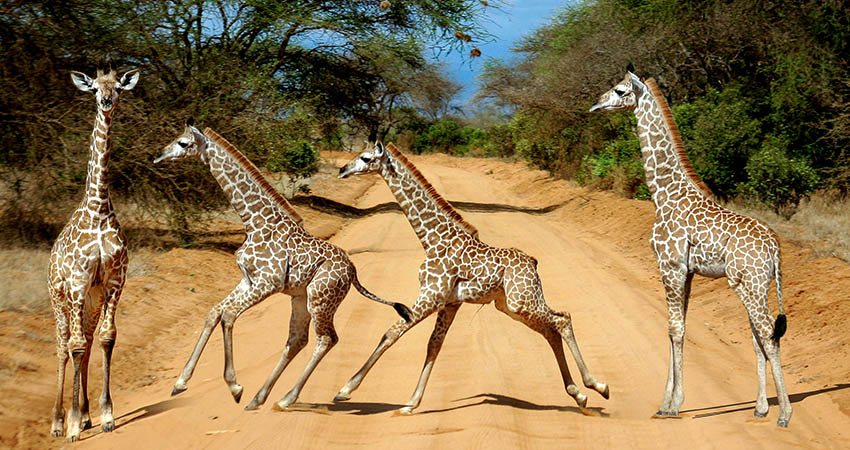
Tsavo West National Park is the most renowned destination of the two Tsavo parks, owing to its convenient accessibility from Kenya’s coastline area and its remarkable visual splendor. It is abundant in diverse animals. The park contains several volcanic characteristics, including Mzima Springs and rocks. Additional advantages include an extensive road network, well-maintained walking paths, a rhino reserve, among others.
Tsavo West National Park was established concurrently with Tsavo East National Park in 1948. It is renowned as “the land of lava, springs, enchanting sunsets, and man-eaters.” The most experiential aspect of your visit to the park is observing the beautiful, crystalline water that flows from the subterranean rock. The lava rock generates in excess of 50 million gallons of pristine, crystalline water each day. Endowed with a diverse array of attractions, including the prominent subterranean dry lava rock and Mzima Springs. The park is one of the largest protected areas in Kenya, managed by Kenya Wildlife Services. It encompasses a total geographical area of 9,065 square kilometers, featuring a diverse array of landscapes, including swamps and natural springs.
Numerous artifacts from the Stone Age indicate that humans inhabited this park over 6,000 years ago. The archaeological sites around the Galana River served as a vital resource for early humans, offering sustenance through fishing and supplying water for domestic purposes. The majority of these individuals were foragers, hunters, and anglers who relished capturing animals when it approached water sources. Nevertheless, the park was widely recognized as a habitat for man-eating lions that preyed upon railway workers traversing the area.
In the 1980s, Tsavo West National Park experienced minor impacts from poaching, resulting in the decline of African large game populations, particularly elephants and rhinos. The Kenyan Government, through the Kenya Wildlife Service, deserves commendation for its exemplary efforts in combating poaching, resulting in significant improvements in wildlife populations.
Directions to Tsavo West National Park
Tsavo West National Park is situated 240 kilometers from Nairobi along the Nairobi-Mombasa Road. The journey requires 5 to 6 hours of driving through several villages and small towns along the well-paved road. The park is accessible via the Southern entrance of the Mtito gate, which leads directly to Mombasa. One may utilize the train that departs daily from Nairobi to Mombasa. Your Amboseli excursion can be extended to Tsavo West National Park via the Chyulu Gate.
By Air:
Domestic flights can be reserved from Wilson Airport, Mombasa, or Jomo Kenyatta International Airport to many airstrips within the park, including Kamboyo Airstrip, Tsavo Gate Airstrip, Ziwani Airstrip, among others.
Attractions at Tsavo West National Park
Tsavo West National Park boasts numerous attractions. The park’s vastness confers a benefit to a vast expanse. Guests may explore this park for almost four days while visiting various attractions.
Ngulia Sanctuary:
The Ngulia Sanctuary serves as a refuge for unique rhinos, established to safeguard the existence of the endangered black rhinos within the park. The refuge has experienced a significant growth in the population of rhinos since their introduction. The sanctuary is a principal attraction located in Tsavo West National Park, enhancing the completeness of your African safari experience.
The Mzima Springs:
Over 50 liters of crystalline water are generated by subterranean forces in this location. The Mzima Springs are distinctive attributes of the active volcanoes that draw numerous visitors to observe the forces of nature. Water is expelled from the base of the lava rock, making it an excellent sightseeing location.
Wildlife:
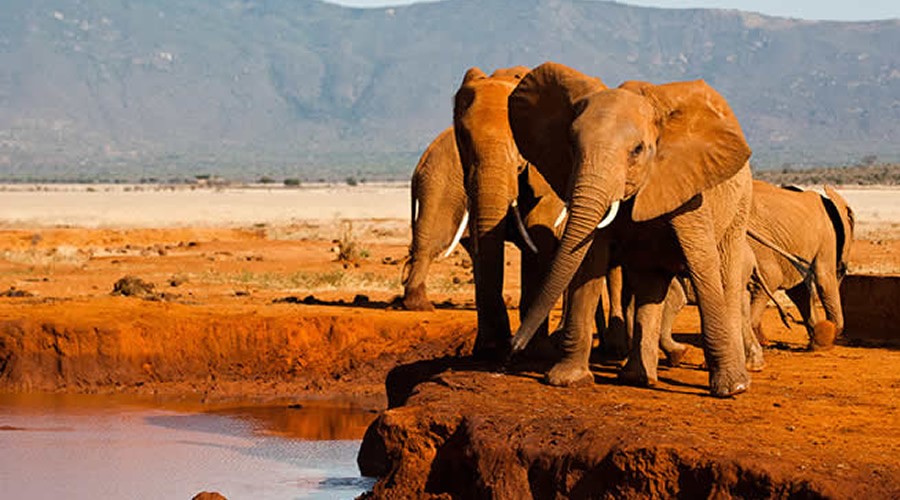
Tsavo West National Park is home to over 70 kinds of animals, including all of the African Big Five. The park serves as a singular destination for travelers seeking an authentic African wildlife experience, with predators and other large cats. The park’s wildlife consists of permanent residents observable year-round, facilitated by the enduring river. The most frequently observed creatures include lions, leopards, giraffes, elephants, buffalo, hyenas, cheetahs, topi, kudu, zebras, mongooses, olive baboons, and numerous others.
Birds:
Tsavo West National Park has recorded over 400 bird species, with Ngulia Hills being the premier birdwatching location. The park experiences avian migration annually during the wet season, as it serves as a migratory corridor. The extensive avian list comprises: Pangani Longclaw, African Finfoot, Basra Reed Warbler, River Warbler, Corncrake, Golden Pipit, Shelley’s Starling, Pied Kingfisher, Golden Palm Weaver, Eastern Black-headed Oriole, Somali Ostrich, Taita Fiscal, Taita Falcon, Narina Trogon, Martial Eagle, Lesser Kestrel, among others.
Lake Jipe serves as a vital water source for biodiversity, with its catchment area being an optimal habitat for various aquatic species, including crocodiles, hippos, and several water birds such as the African finfoot.
Activities conducted in Tsavo West National Park
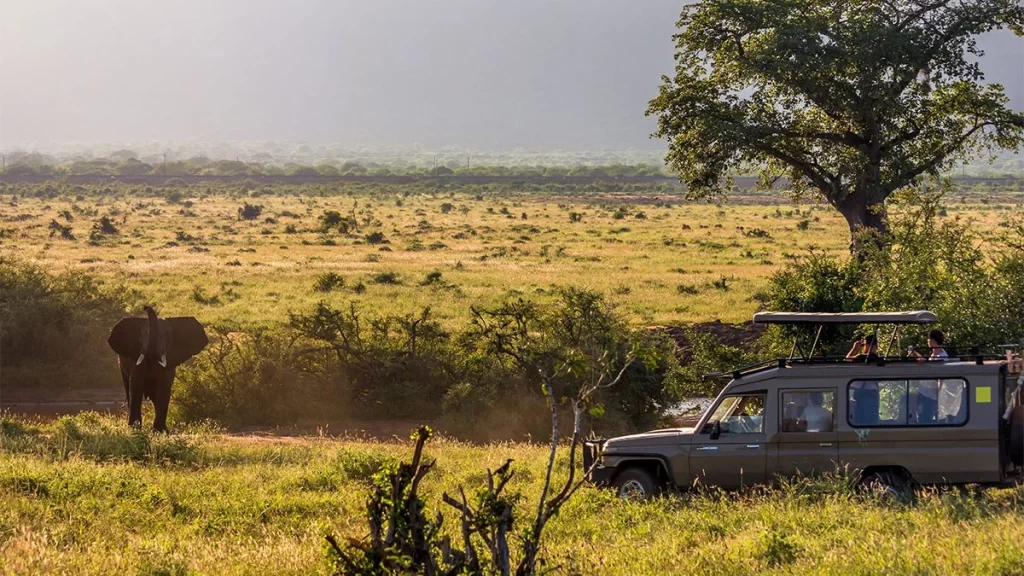
Game Viewing/Game Drives: Tsavo West National Park provides an authentic African wildlife experience, with increased opportunities to observe all of the African Big Five. Game drives occur three times daily: in the morning, afternoon, and evening. The park is one of the few national parks in Kenya that offers night game drives. One may appreciate an intimate observation of the fauna, particularly the reddish-hued elephants, leopards, lions, cheetahs, zebras, hyenas, topis, kudu, and several others. Game drives occur year-round, with optimal conditions during the dry season when the grass is minimal. The optimal period for undertaking the game drive is from June to October and from December to February.
Exploring Mzima Springs:
Mzima Springs is the source of about 50 gallons of clear, crystalline water that emerges from beneath the lava rocks. The Springs are located in the northern section of the park adjacent to the Chyulu Hills, which lie beneath the lava ridges. The natural openings that allow water to splash out while guests engage in sightseeing. Visiting these springs is worthwhile due to the distinctive experience of observing nature’s forces.
Birding:
If you are an avian enthusiast, Tsavo National Park is the ideal place. It is merely a challenge to ensure that you choose the most reputable trip operator with proficient birding guides. The park serves as a migration pathway for numerous beneficial avian species originating from various regions globally. Birdwatching can occur year-round, although the optimal months are the rainy season when avian mating takes place. The most frequently cited avian species comprise the Pangani Longclaw, African Finfoot, Basra Reed Warbler, River Warbler, Corncrake, Golden Pipit, Shelley’s Starling, Pied Kingfisher, Golden Palm Weaver, Eastern Black-headed Oriole, Somali Ostrich, Taita Fiscal, Taita Falcon, Narina Trogon, Martial Eagle, Lesser Kestrel, among others.
Rhino Tracking:
Guests in Tsavo West experience all of the African Big Five, including rhinoceros trekking at Ngulia Rhino Sanctuary. Ngulia Rhino Sanctuary is a habitat for black rhinos, encompassing 90 square kilometers and enclosed by a fence. This sanctuary was established to guarantee the protection of the rhinos.
Tsavo West National Park is a remarkable, secluded reserve that is perfect for those seeking an authentic African wilderness abundant in wildlife.