 info@gorillatrekkinginafrica.com

Gorilla Trekking Boots
Gorilla Trekking Boots , have you reserved your gorilla trekking safari and are contemplating which type of trekking footwear to bring? Rest assured; here is all the essential information regarding gorilla hiking footwear.
Gorilla trekking is traversing challenging terrain among the dense tropical rainforests of Bwindi, Mgahinga, Virunga, or Volcanoes National Park, where mountain gorillas reside. The altitude typically varies based on the location of the specific mountain gorilla family allocated for tracking. No specific gorilla trekking boots are mandated; any comfortable boots or hiking shoes you possess will suffice.
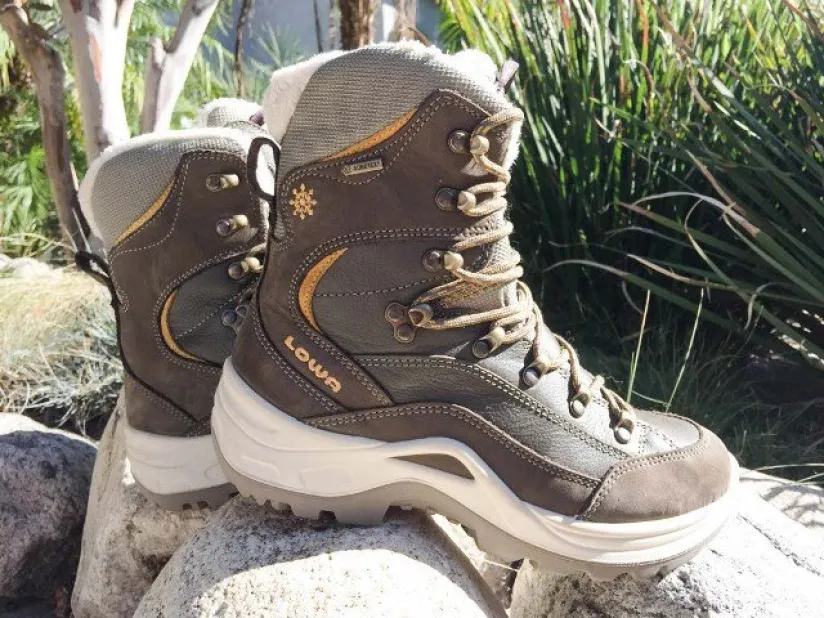
A successful mountain gorilla trekking expedition commences with the appropriate hiking footwear. To have an optimal mountain gorilla trekking safari experience in Rwanda, Uganda, or the Democratic Republic of the Congo, it is essential to own appropriate hiking footwear for gorilla trekking.
Quality hiking boots should be the primary item on your gorilla trekking packing list. Your meeting with a gorilla is likely to be problematic if you do not don appropriate footwear. To ensure a tranquil gorilla expedition, guests are advised to seek lightweight waterproof hiking boots. The headquarters offer footwear for rental at a nominal fee.
The optimal gorilla trekking footwear in Rwanda, Uganda, or Congo should be comfortable, waterproof, and durable, featuring high-traction soles. Tourists embarking on a gorilla trekking safari in Rwanda, Uganda, or Congo are advised against wearing white shoes, tennis shoes, or golf shoes due to the challenging terrain of the bush.
When seeking the optimal footwear for gorilla trekking, consider the following characteristics:
Ankle-high shoes should be your primary selection as they provide enhanced support to your ankles during the ascent and descent while exploring the gorillas.
Waterproof footwear will ensure your feet remain dry on your journey to and from the gorillas. Enhancing the journey significantly compared to arriving with damp feet.
Brown leather: Due to traversing damp and muddy terrain, your shoes will accumulate fragments of mud that are often red in color. Red dirt is more easily removed from leather shoes than from fabric shoes. Preserve the coloration of brown or black, instead of white.
Kindly refrain from bringing new or unworn footwear. They may be disagreeable throughout the travel. Acquire these items well in advance and utilize them at home for your preparatory training prior to gorilla trekking. This will acclimatize your feet to them, yielding a significantly more enjoyable gorilla trekking experience.
We acknowledge that optimal footwear for gorilla trekking may be substantial, potentially impacting your allowable baggage limit; therefore, we advise wearing hiking boots during your vacation instead of packing them in your checked luggage. This is beneficial in the event that your luggage is delayed or lost during your travel, since you will possess a quality pair of gorilla trekking shoes from the outset.
Reasons to don optimal hiking footwear for gorilla climbing in Rwanda, Uganda, and the Democratic Republic of Congo.
Individuals who have previously trekked with gorillas recognize the need of appropriate hiking boots on a gorilla expedition. Waterproof boots ensure your feet remain dry and clean on muddy and hazardous woods paths. Hiking boots facilitate traversal through dense underbrush while protecting your feet from ground-dwelling insects. In addition to the boots, bring knee-high stockings.
Insert your pants into your stockings to safeguard your legs from stinging nettles, thorny shrubs, and abrasive underbrush. To ensure a suboptimal gorilla trekking experience, avoid wearing sandals or open-toed footwear. Likewise, refrain from wearing white sneakers or tennis shoes; they will disappoint you. Furthermore, avoid using new brand shoes for hiking, since they will deteriorate in the wilderness.
What additional items should be packed for gorilla trekking in Rwanda, Uganda, or Congo?
A pair of long-sleeved shirts: They protect your arms from abrasions caused by thorny bushes and assaults from mosquitoes and other forest pests. Long-sleeved shirts provide warmth in frigid forests.
A pair of high-quality gloves: They protect your hands from becoming soiled or irritated. Gardening gloves protect your hands while grasping woodland branches and plants for support during difficult walks. Contact with the ground is inevitable during gorilla trekking; nonetheless, gardening gloves will save your sensitive hands and nails.
Rain jacket/coat: Forest showers can occur at any time of day, irrespective of the season. Tourists are advised to carry a rain jacket regardless of the weather conditions. Precipitation is abundant throughout the rainy seasons of March, April, May, October, and November. A rain jacket is necessary for off-season travel.
Sweaters/Ponchos: Mountain gorillas generally inhabit cool forested environments that require the wearing of a sweater or poncho. This ensures warmth throughout, guaranteeing a unique experience.
Hat/Cap: This protects your head from direct sunshine and precipitation from trees. Hats assist in keeping women’s hair clean and dry.
Sunglasses: They protect your eyes from detrimental UV radiation and insects.
Insect repellent: Consistently carry and apply insect repellent to safeguard against lethal insect bites.
Bring sufficient potable water to maintain hydration during your walk.
Pack energy-boosting snacks, such as bananas, apples, and bread, to sustain your stamina during the trek.
Additional batteries and a camera
Ultimately, hiking boots are essential for anybody traversing the habitat of mountain gorillas. Appropriate footwear is crucial for a successful gorilla encounter in the rainforests of Bwindi Impenetrable National Park, Mgahinga Gorilla National Park in Uganda, Volcanoes National Park in Rwanda, and Virunga National Park in the Democratic Republic of Congo.