 info@gorillatrekkinginafrica.com

Guide to Central island National Park Kenya
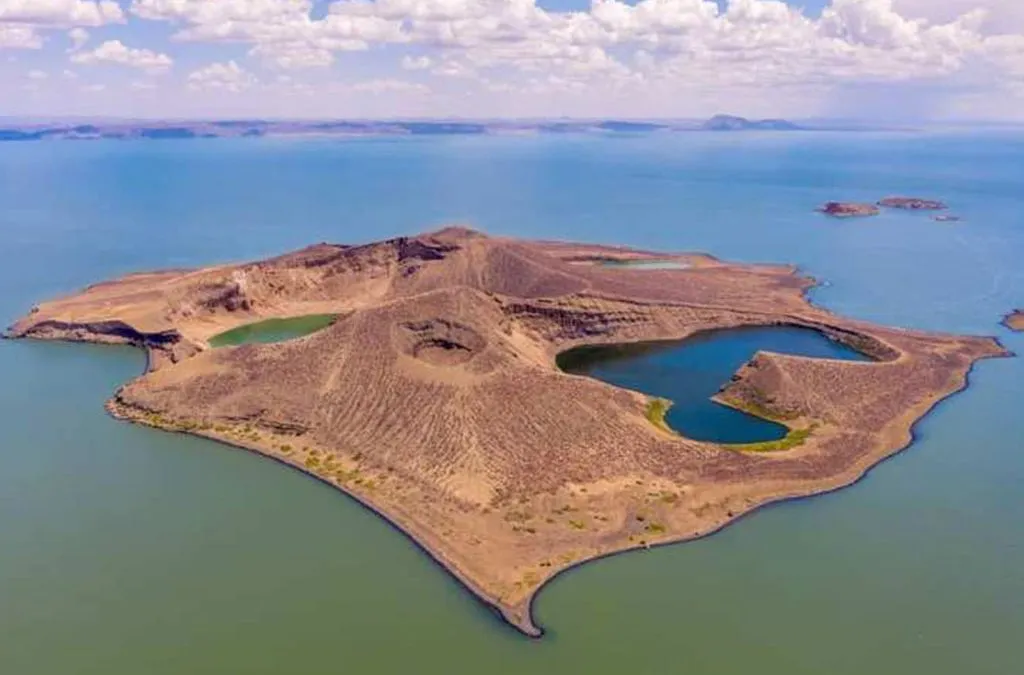
Central Island National Park, commonly referred to as Crocodile Island, is a volcanic island situated in the center of Lake Turkana, the most saline major lake in Africa. The three principal lakes on Central Island are Crocodile Lake, Tilapia Lake, and Flamingo Lake. Central Island National Park encompasses approximately 5 square kilometers, a rather little area, yet it offers an unparalleled visitor experience in Africa. The active volcanoes emit a sulfurous odor, while the lakes are inhabited by Nile crocodiles, rendering the island the biggest concentration of crocodiles. The island features stunning vistas of the spectacular lake and sparse flora. The park offers archeological and paleontological sites; the island is one of the world’s unspoiled natural environments, untouched by human intervention.
Features of Central Island National Park.
Kingdom of Crocodiles.
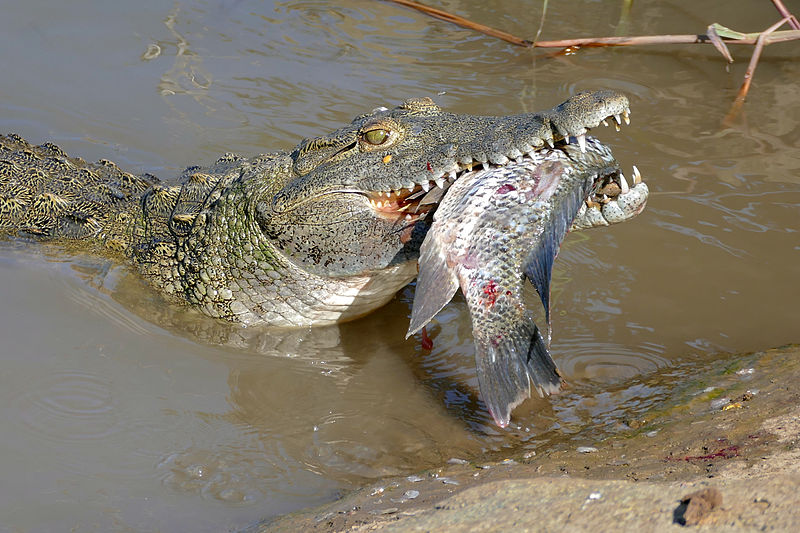
Lake Turkana’s estimated 12,000 crocodiles, survivors of an era predating humanity, have remained unchanged for 130 million years. Notwithstanding their colossal size and intimidating presence, they are typically non-aggressive beings coexisting harmoniously with their surroundings while subsisting on the abundant fish in the lake.
The largest crocodile nursery in the world.
Crocodiles spawn along the shores of the island’s crater lakes from April to May. The hatchling crocodiles emit squeaks from within their eggs, which are interred deep in the sand to evade the predatory scrutiny of monitor lizards and raptors. Their cries summon their parents, who hasten to extricate them and transport them to the water’s edge, where they reside for their initial months.
Venomous reptiles and ancient fish.
Turkana is home to several of the world’s most dangerous reptiles, including the saw-scaled viper, night adder, puff adder, and cobra. Numerous fish species are there, including the substantial Nile perch and sizable tilapia. Pufferfish, a species typically inhabiting marine environments, signify Turkana’s ancient link to the Red Sea.
Abundant Birdlife.
The islands host a plethora of avian species, comprising over 84 waterbird varieties, including 34 species of European migrants, most vividly observed during their return migration from March to May. At least 23 species breed in this region, such as the Goliath heron and African skimmer, while the African open-billed stork, ducks, and gulls forage along the shores. The volcanic island lakes draw lesser flamingos, and birds of prey, particularly swallow-tailed kites, are also plentiful.
Wildlife.
Central Island National Park boasts a plethora of animal species beyond crocodiles. During your visit, you may observe hippos, topis, Grevy’s zebras, and oryx, alongside the crocodile population in the park.
Activities conducted in Central Island National Park.
Wildlife observation.
Although it is a tiny central island national park, it provides tourists with opportunity to observe wildlife, including crocodiles, hippos, topis, Grevy’s zebras, Grant’s gazelles, oryxes, and giraffes. The crocodile population is notably large, necessitating the presence of an armed guide for safety.
Avian observation.
The park features over 350 species, including more than 84 water birds, alongside migratory and resident species like as the grey heron, Goliath heron, African skimmers, Egyptian geese, great egrets, lesser egrets, sacred ibis, and osprey, among others.
Nature excursions.
The nature-guided walks are exhilarating as you ascend to the island’s highest elevation, offering stunning vistas of the magnificent lakes and landscapes. Tourists trekking to the summit of the flamingo crater will encounter numerous intriguing sites along the route, along with breathtaking views of the entire park. Additionally, butterflies, dragonflies, and various insects can be anticipated.
Boat rides.
Tourists can partake in boat rides on one of the lakes or embark on a journey to Kalokol Gate, which provides the opportunity to observe aquatic fauna and avian species. The launch might also be packaged.
Camping.
This is the most breathtaking and remarkable activity conducted in the park, where one is immersed in nature and afforded spectacular views of the lakes illuminated by the moonlight reflecting on steaming craters.
Fishing.
Tourists can participate in this recreational activity with the assistance of an experienced fishing guide, as the lake is home to over 60 recorded fish species.
Best time to visit central island national park.
The optimal period to visit the park is during June and July when temperatures are relatively milder. From December to March, conditions are excessively hot and arid; therefore, tourists are recommended to bring ample drinking water and food.
Accommodation options in Central Island National Park.
Central Island National Park features a singular camping facility known as Central Island Campsite, but more lodging options are located on the mainland, including the neighboring Eliya Springs Resort.
Entrance Park fees of Central Island National Park.
| Category | Citizen (KSH) | Resident (KSH) | Non- Resident (USD) |
| Adult | 300 | 300 | 22 |
| Child | 125 | 125 | 13 |
Directions to Central Island National Park.
Central Island National Park is accessible by both aerial and terrestrial transportation methods.
Via Air Transport.
Access to Lake Turkana is mostly via plane, with two all-weather airstrips located in Loiyangalani.
Via road transportation.
The Lake is a three-day journey from Nairobi via Marasabit and North Horr, or alternatively, through Maralal and South Horr. Alternatively, journey by road from Nairobi to Kalokol along the western banks of the lake, passing through Kitale and Lodwar. Boat renting services from Kalokol are offered to Central Island. The 540 km route from Nairobi to Lake Turkana is accessible by a 4×4 safari vehicle and requires 7 to 8 hours; however, it is recommended to undertake this journey over two days.