 info@gorillatrekkinginafrica.com

Kitulo National Park
Kitulo National Park, referred to as “The Garden of God” or “Bustani ya Mungu” in Swahili, is a remarkable and distinctive protected region situated in southern Tanzania. It is one of the nation’s most enchanting and environmentally significant national parks, celebrated for its stunning scenery, diversified vegetation, and vivid wildflowers. The park was founded in 2005 and encompasses over 413 square kilometers (159 square miles). The Tanzania National Parks Authority (TANAPA) administers it.
Geographical Position:
Kitulo National Park is located in the southern highlands of Tanzania, namely within the Mbeya and Njombe Regions. The park’s elevation varies from 2,600 meters (8,530 feet) to 3,300 meters (10,827 feet) above sea level, rendering it one of the highest national parks in Africa. It adjoins the formidable Livingstone Mountains to the northeast and commands a view of the expansive Rift Valley escarpment to the southwest.
Biodiversity and Vegetation:
Kitulo National Park is a biodiversity hotspot, commonly known as the “Serengeti of Flowers” because of its many floral species. This region hosts a diverse array of indigenous and endemic plant species, many of which are unique to this location. The park’s wildflower exhibition is particularly magnificent during the rainy season when the meadows erupt in a cacophony of hues, featuring diverse varieties of orchids, lilies, and other wildflowers adorning the terrain.
In addition to the vivid wildflowers, the park hosts a wide assortment of grasses, shrubs, and trees, featuring multiple types of huge lobelias and the uncommon Kitulo balsam (Impatiens kitulensis).

Wildlife life:
Kitulo National Park is primarily recognized for its botanical marvels, although it also harbors a diverse array of wildlife, including several endemic and uncommon species. The park’s wildlife comprises a limited number of elands, along with other ungulates including buffalo and zebras. The area is home to several bird species, rendering it an excellent location for birdwatching aficionados.
Preservation and Hazards:
Kitulo National Park is essential for the conservation of the distinctive high-altitude grassland ecosystems and indigenous plant species of the Southern Highlands. It was established as a national park to safeguard the fragile floral diversity from human encroachment, agricultural activities, and deforestation.
Notwithstanding its protected designation, the park has numerous obstacles, including as illicit logging, livestock grazing, and climate change, which can adversely affect the fragile ecosystems and jeopardize the survival of certain rare and endemic species.
Tourism and Activities:
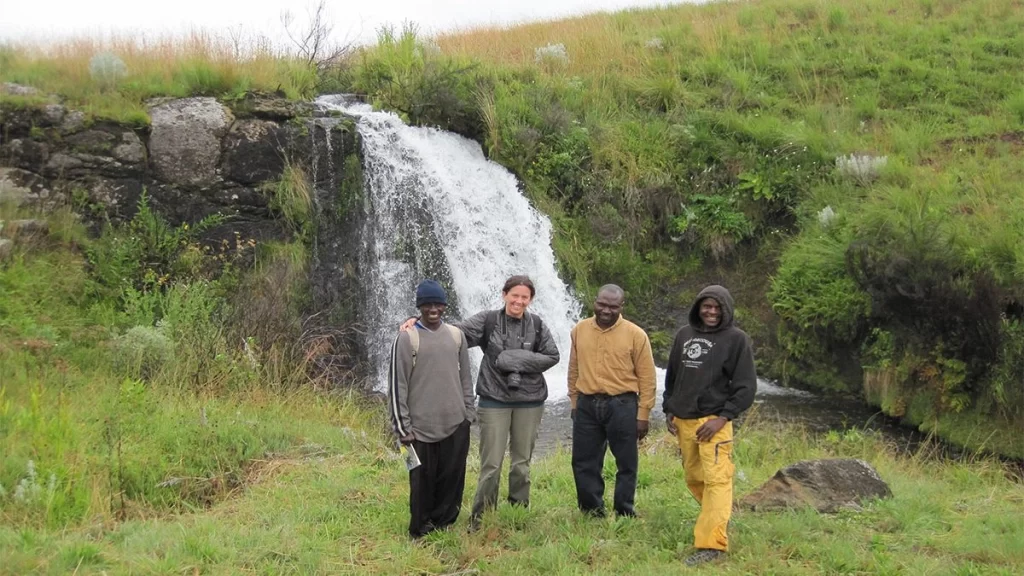
Kitulo National Park is a somewhat secluded and obscure locale, however it is increasingly attracting the attention of nature aficionados and ecotourists. Visitors may partake in activities including guided hikes, birdwatching, and photography, especially during the flowering season when the terrain is metamorphosed into a beautiful paradise.
Tourists can engage with local communities surrounding the park, so aiding conservation initiatives and promoting sustainable livelihoods for the inhabitants.
Major Characteristics and Attractions of Kitulo National Park.
Kitulo National Park, referred to as “The Garden of God,” possesses numerous significant characteristics and attractions that render it an essential destination for nature aficionados and adventure seekers. Below are the principal features of the park:
Floral Splendor:
The most notable characteristic of Kitulo National Park is its remarkable floral diversity. The park hosts more than 350 plant species, many of which are native to the Southern Highlands of Tanzania. In the wet season, often from November to April, the meadows erupt in a stunning array of wildflowers. Visitors can observe a spectrum of hues, featuring diverse varieties of orchids, lilies, and other vivid flowers adorning the environment.
Orchids:
Kitulo National Park is a sanctuary for orchid enthusiasts. The park is home to approximately 45 recognized orchid species, making it one of the premier locations in Tanzania to observe these intriguing and fragile blossoms in their natural environment.
Giant Lobelias:
The Park is renowned for its colossal lobelias (Lobelia deckenii). These formidable and extraterrestrial plants can attain heights of up to 3 meters (10 feet), contributing to the park’s distinctive and bizarre landscape.
Birdwatching:
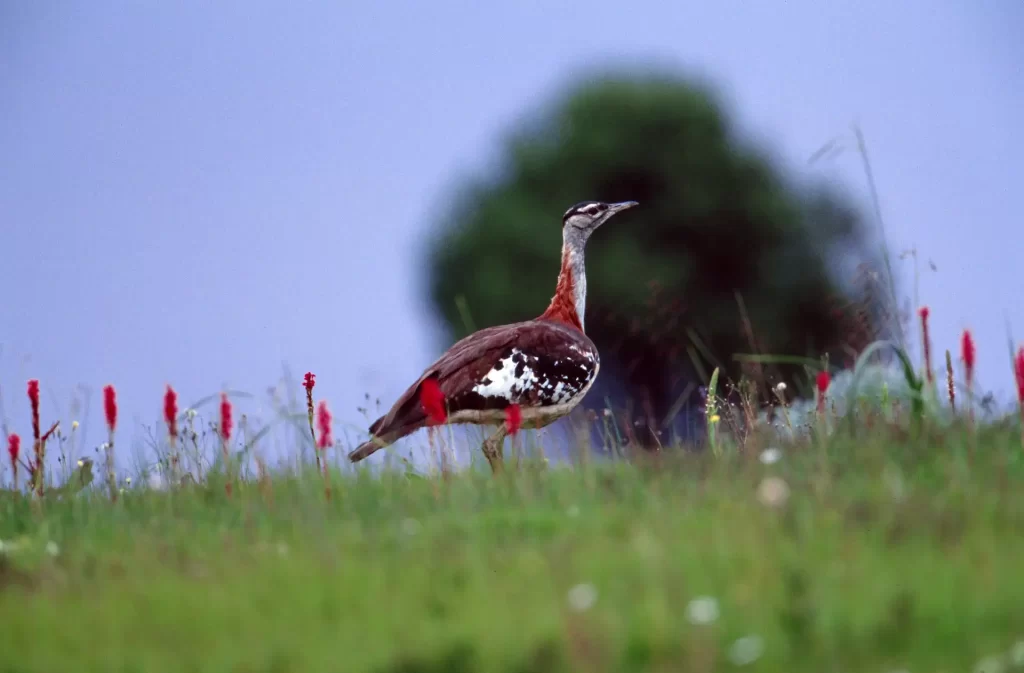
Kitulo National Park is an avian haven, boasting over 400 recognized bird species inside its confines. It presents an exceptional opportunity to observe diverse alpine and migratory avian species, including the endangered blue swallow and Denham’s bustard.
Butterflies:
The Park hosts a remarkable variety of butterflies, establishing it as a sanctuary for lepidopterists. More than 350 butterfly species have been documented in the region, enhancing the park’s appeal for nature aficionados.
Photography:
Kitulo National Park offers an exceptional backdrop for photographers. The scenic vistas, vibrant wildflowers, and distinctive flora and animals provide limitless opportunity for creating remarkable photographs.
Hiking and Walking Expeditions:
The Park provides many hiking trails and walking safaris, enabling visitors to really experience the enchanting landscape. Guided walks are offered for individuals seeking to enhance their knowledge of the park’s flora, animals, and conservation initiatives.
Remote and Serene:
Kitulo National Park is somewhat isolated and less visited by tourists than other prominent Tanzanian parks. This provides a serene and calming experience, ideal for individuals desiring a closer bond with nature.
Community Engagement:
The Park offers possibilities for visitors to engage with the surrounding local communities. This cultural interchange enhances the vacation experience and bolsters conservation initiatives and sustainable livelihoods for the local inhabitants.
Stargazing:
Kitulo National Park, because to its elevated height and secluded position, provides optimal conditions for stargazing. On clear nights, guests can experience stunning vistas of the night sky, free from light pollution.
It is crucial to acknowledge that the wildflower exhibitions are seasonal, predominantly occurring during the rainy months. Consequently, anybody intending to witness the floral display should organize their visit accordingly. Kitulo National Park is an undiscovered treasure that provides a distinctive and memorable experience for nature aficionados, rendering it an essential trip for anyone desiring an alternative perspective of Tanzania’s natural splendor.
Recreational pursuits at Kitulo National Park.
Kitulo National Park provides many activities that enable visitors to engage with the park’s natural splendor and distinctive biodiversity. The following activities are available at Kitulo National Park:
Guided Nature Excursions:
Participate in guided nature walks conducted by informed park rangers who offer insights into the park’s rich flora and animals. They can identify various plant species, elucidate their ecological importance, and assist in locating diverse birds and butterflies.
Observation of Wildflowers:
Observe the stunning wildflower exhibitions throughout the rainy season, generally occurring from November to April. Stroll leisurely through the meadows and admire the vibrant tapestry of flowers adorning the environment.
Birdwatching:
Kitulo National Park is an avian paradise. Bring your binoculars to observe a diverse array of alpine and migratory avian species. Monitor the endangered blue swallow and Denham’s bustard, among other species.
Observation of Butterflies:
The Park hosts a diverse array of butterflies. Take your camera and relish observing these exquisite insects flitting among the blossoms.
Photography:
Kitulo National Park offers an exceptional opportunity for photographers to capture breathtaking images of the flowery landscapes, distinctive flora, and scenic vistas of the Southern Highlands.
Trekking:
Traverse the park on foot via many hiking trails. The park provides varying degrees of difficulty, ranging from leisurely strolls to more arduous hikes, accommodating all fitness levels.
Astronomy the observation:
At night, relish unobstructed views of the celestial expanse, devoid of light pollution. The park’s secluded position and elevated altitude render it a great site for stargazing and astrophotography.
Cultural Interactions:
Interact with the local communities residing near the park to gain insights into their lifestyles, traditions, and cultural practices. This engagement can yield significant insights into local conservation initiatives and sustainable lives.
Picnicking:
Delight in a serene picnic inside the breathtaking vistas and calmness of Kitulo National Park. Multiple approved picnic sites are accessible to guests.
Conservation Initiatives:
Individuals interested in supporting conservation efforts may inquire about any volunteer programs or projects within the park. Certain parks facilitate tree-planting initiatives or community conservation projects in which visitors may engage.
Botanical Analysis:
If you possess a specific interest in botany, investigate the various plant species present in the park. Participate in plant identification and explore the distinctive flora that renders Kitulo National Park exceptional.
Camping:
For an immersive experience in the park, many sections provide camping amenities. Camping beneath the celestial canopy in this unspoiled setting can be an indelible experience.
Prior to engaging in any activity, it is imperative to consult with park authorities or your tour operator regarding requisite permits, regulations, and safety protocols. Adhere to the park’s rules and regulations to ensure the preservation of its natural beauties for future generations.
Lodging at Kitulo National Park.
Kitulo National Park has a limited number of lodges or permanent housing facilities inside its boundaries. Nevertheless, adjacent cities and villages offer accommodation alternatives for guests preceding or following their excursion to the park. The park is readily accessible from cities such as Mbeya and Njombe, which provide a variety of lodging options to accommodate diverse budgets and preferences.
Mbeya:
Mbeya is a prominent city in the Southern Highlands of Tanzania and functions as an access point to Kitulo National Park. Mbeya offers a diverse selection of hotels, guesthouses, and lodges that accommodate all budgets while ensuring excellent lodging.
Njombe:
Njombe is a village adjacent to Kitulo National Park, providing lodging alternatives for visitors. Although options may be more constrained relative to larger cities like as Mbeya, adequate guesthouses and lodges remain available.
When organizing your visit to Kitulo National Park, it is imperative to secure lodging in advance, particularly during the peak season when the wildflowers are in full bloom. Be aware that the park is somewhat isolated, and nearby lodging alternatives may be scarce.
Should you intend to embark on a guided tour to Kitulo National Park, your tour operator may facilitate the arrangement of accommodation as an integral component of the package. They can suggest appropriate accommodation alternatives according to your preferences and financial constraints.
Optimal Timing for Visiting Kitulo National Park.
The optimal time to visit Kitulo National Park primarily hinges on the specific experience desired, especially if one aims to observe the park’s celebrated wildflower exhibitions.
Optimal Period for Wildflower Blooming:
The peak visitation period for Kitulo National Park coincides with the rainy season, generally spanning from November to April. During this season, the park metamorphoses into a breathtaking floral haven as wildflowers blossom in vivid hues, adorning the meadows and grasslands. The zenith of the wildflower season typically occurs from late December to early February. To witness the breathtaking wildflower displays, schedule your visit around this period.
Arid Period (Favorable Interval):
The dry season, spanning from May to October, is an opportune period for visiting Kitulo National Park. This time is characterized by arid weather and frequently clear skies. Although the wildflowers do not blossom in the dry season, the park’s vistas remain exquisite, allowing for hiking, birdwatching, and other pursuits in a more serene environment.
Accessibility:
The park’s accessibility may be problematic during the rainy season because of muddy and slippery roads. Should you intend to visit during this period, it is imperative to verify road conditions and prepare for possible travel delays.
Atmospheric conditions:
The elevated position of Kitulo National Park leads to lower temperatures relative to other areas in Tanzania. Visitors should be prepared for fluctuating temperatures, including chilly nights and mornings, regardless of the season, even in the warmest months.
In summary, to observe the magnificent wildflower displays, schedule your visit during the wet season, from November to April, with peak blooming occurring from December to February. The dry season, from May to October, offers a more serene experience in the absence of wildflowers, making it an opportune time to come. Kitulo National Park provides a distinctive and breathtaking experience throughout the year, highlighting the varied splendor of Tanzania’s Southern Highlands.
The geographical features of Kitulo National Park:
Kitulo National Park is situated in the southern highlands of Tanzania, encompassing the Mbeya and Njombe Regions. The park encompasses over 413 square kilometers (159 square miles) and varies in elevation from 2,600 meters (8,530 feet) to 3,300 meters (10,827 feet) above sea level. It is among the highest elevation national parks in Africa.
The park’s terrain include undulating meadows, mountainous woodlands, and steep slopes. It is located on the Kitulo Plateau, a segment of the Poroto Mountains, which serves as a natural boundary between the Great Ruaha River basin to the north and the Rungwe River catchment to the south.
The Livingstone Mountains are situated to the northeast of Kitulo National Park, but the expansive Rift Valley escarpment overlooks the park to the southwest. The park’s position at the intersection of various ecosystems yields its distinctive and varied biodiversity.
The geological characteristics of Kitulo National Park:
The geology of Kitulo National Park is intricate and varied, enhancing the region’s abundant floral and geological variety.
The park’s geology is predominantly shaped by ancient volcanic activity. It is located in the volcanic region of the Southern Highlands, distinguished by volcanic rocks that are millions of years old. The volcanic landforms have influenced the landscape and soil composition, contributing to the park’s distinctive flora.
Tectonic Activity: The geology of the region has been influenced by tectonic activity over millions of years. The region has undergone numerous geological phenomena, such as uplifts, faulting, and erosion, which have facilitated the development of the highlands and plateau.
Sedimentary Rocks: The park features sedimentary rocks, formed via erosion and sedimentation processes throughout geological time, in addition to volcanic rocks.
Glacial Dynamics:
During the Pleistocene epoch, the elevated areas of the Southern Highlands had glacial activity. The glacial history has shaped the landscape’s morphology and facilitated the development of diverse landforms.
The interplay of volcanic activity, tectonic processes, and glacial history has established a distinctive geological environment, enhancing the biodiversity of Kitulo National Park. The park’s elevated plateau and diverse geological characteristics have created a distinctive microclimate that fosters the proliferation of an exceptional variety of wildflowers and other plant species.
Accessing Kitulo National Park.
Accessing Kitulo National Park generally requires traveling to adjacent towns or cities in Tanzania before proceeding to the park. The park is reachable by road, with the primary access points located at Mbeya and Njombe. Here is a comprehensive guide detailing the steps to reach Kitulo National Park:
Via Air Transport
Step 1: Arrive in Tanzania. Travelers arriving from abroad must first land at one of Tanzania’s principal international airports, either Julius Nyerere International Airport (DAR) in Dar-es Salaam or Kilimanjaro International Airport (JRO) near Arusha. These airports function as prevalent access points for foreign travelers.
Step 2: Travel to Mbeya or Njombe by air. From the principal
From international airports, one can board a local flight to either Mbeya or Njombe. Mbeya Airport (MBI) and Njombe Airport (JOM) are the nearest airports to Kitulo National Park.
Proceed to Kitulo National Park. Upon arrival in Mbeya or Njombe, you may continue to Kitulo National Park via road. No direct flights are available to the park itself.
Via Road:
Kitulo National Park is situated roughly 100-120 kilometers (62-75 miles) from Mbeya. One may procure an own vehicle, utilize a taxi service, or organize a guided trip that encompasses transportation to the park.
Njombe is significantly nearer to Kitulo National Park, situated approximately 30-50 kilometers (18-31 miles) away. As in Mbeya, one can either rent a car or participate in a guided tour to access the park.
The access routes to Kitulo National Park are predominantly unpaved and may be difficult, particularly during the rainy season. It is prudent to assess road conditions and organize your visit accordingly. A 4×4 vehicle is advisable for specific routes, especially in the rainy season.
It is essential to organize your trip beforehand and secure all required lodging and transportation arrangements prior to your visit. Furthermore, ensure that you review the most recent travel warnings and park restrictions before to commencing your expedition to Kitulo National Park.
Conservation Strategies at Kitulo National Park:
Protected Area Status: Kitulo National Park was established in 2005 to conserve the distinctive high-altitude grassland ecosystems and the abundant floral diversity of the Southern Highlands. As a recognized national park, it receives legal protection and conservation administration from the Tanzania National Parks Authority (TANAPA).
Biodiversity Monitoring: TANAPA and many conservation organizations routinely do biodiversity surveys and monitoring within the park. These initiatives facilitate the evaluation of ecosystem health, detect dangers, and guide conservation strategies.
Community Engagement: Involving local populations residing around the park is crucial for effective conservation initiatives. Collaborative initiatives are established to enhance awareness, engage community people in conservation efforts, and offer alternative livelihood options to alleviate demands on natural resources.
Anti-Poaching Initiatives: Poaching continues to pose a substantial risk to wildlife in several regions of Tanzania, particularly in Kitulo National Park. Park rangers and law enforcement agencies are regularly engaged in anti-poaching operations and patrols to combat unlawful hunting.
Fire Management: Controlled burning serves as a management strategy in specific regions of the park to sustain grasslands and avert uncontrolled wildfires that could jeopardize the ecology.
Obstacles at Kitulo National Park:
Habitat Loss and Degradation: Agricultural growth, illicit logging, and livestock grazing persist in encroaching against the park’s periphery, resulting in habitat loss and the degradation of vulnerable ecosystems.
Climate Change: Similar to numerous other natural regions globally, Kitulo National Park is impacted by climate change. Modified precipitation patterns, temperature fluctuations, and severe weather phenomena can disturb natural cycles and jeopardize flora and fauna.
Poaching and Illegal Activities: The illicit hunting of wildlife for bushmeat continues to pose significant dangers to the park’s fauna, encompassing ungulates and avian species.
The introduction and proliferation of invasive plant and animal species threaten the park’s unique biodiversity, potentially displacing indigenous species and disrupting ecosystem dynamics.
Infrastructure Development: The construction of roads and additional infrastructure adjacent to the park may result in heightened human activity and possible habitat fragmentation.
Insufficient Resources: Sufficient financing and resources for park management, conservation, and law enforcement are essential for the effective protection and sustainable management of Kitulo National Park.
Tourism Pressures: Although tourism can enhance conservation initiatives and bolster local economies, it necessitates sustainable management to prevent detrimental effects on the park’s natural resources and species.
Confronting these difficulties necessitates ongoing collaboration among governmental agencies, conservation organizations, local communities, and the endorsement of sustainable tourist practices. Through the implementation of appropriate conservation strategies and the mitigation of risks, Kitulo National Park can preserve its distinctive floral diversity and uphold its ecological importance for future generations.
Essential Items to Pack for Kitulo
When preparing for a journey to Kitulo National Park, it is crucial to pack suitably to guarantee your comfort and safety throughout your stay. Below is a compilation of goods you ought to contemplate bringing:
Clothing:
Lightweight and breathable attire for warm weather.
Long-sleeved shirts and trousers for protection against solar exposure and insects.
Insulating layers, such as a fleece or jacket, are necessary for the cool evenings and mornings characteristic of the high-altitude climate.
Waterproof jacket or poncho for anticipated precipitation throughout the rainy season.
Comfortable walking shoes or hiking boots with excellent traction for traversing the park’s paths.
Solar Protection:
Broad-brimmed hat or cap for sun protection.
Sunglasses featuring UV protection to safeguard your eyes.
High SPF sunscreen to avert sunburn.
Insect Repellent: A potent insect repellent designed to repel mosquitoes and other insects, particularly during the rainy season.
Camera and Binoculars:
Camera accompanied by supplementary batteries and memory cards to document the breathtaking vistas and fauna.
Binoculars for avian observation and wildlife surveillance from afar.
Daypack: A compact daypack designed to transport water, snacks, a camera, and other necessities for your excursions.
Personal Belongings:
Individual pharmaceuticals and a fundamental first aid kit.
Hand sanitizer and moist towelettes for hygiene maintenance.
Hydration and Refreshments:
Sufficient potable water is essential for hydration, particularly on hikes.
Energy bars or snacks to sustain you during your activity.
Flashlight or Headlamp: A portable illumination device for traversing in darkness, as electrical power may be inaccessible in certain lodgings.
Travel Documentation:
Passport and all necessary visas for entry into Tanzania.
Travel insurance and pertinent medical information.
Currency: Ensure you have sufficient cash, as ATM and credit card services may be unavailable in proximity to the park.
Appropriate Attire (When Engaging with Local populations): If you intend to engage with local populations, consider packing modest and culturally sensitive attire.
Note: Kitulo National Park is somewhat isolated, therefore certain products may not be easily accessible in the area. Strategic packing guarantees a pleasant and delightful experience while admiring the splendor of “The Garden of God.”
Observations regarding Kitulo National Park.
Kitulo is an undiscovered treasure in Tanzania, providing a distinctive and breathtaking experience for enthusiasts of nature. Its unspoiled high-altitude meadows, breathtaking wildflower exhibitions, and indigenous vegetation render it a site of remarkable ecological importance. Visitors to this extraordinary park not only appreciate the splendor of the “Garden of God” but also aid in its preservation, securing its existence for future generations.