 info@gorillatrekkinginafrica.com

Guide to Tsavo National Park Kenya
Tsavo National Park is a primary tourist destination in Kenya, situated in the southwestern region of the country. Tsavo is partitioned into two sections: Tsavo East National Park and Tsavo West National Park. The park is renowned for its population of lions, formerly referred to as the “Man-Eaters,” as well as enormous herds of elephants and other animal species. The park encompasses 13,747 square kilometers.
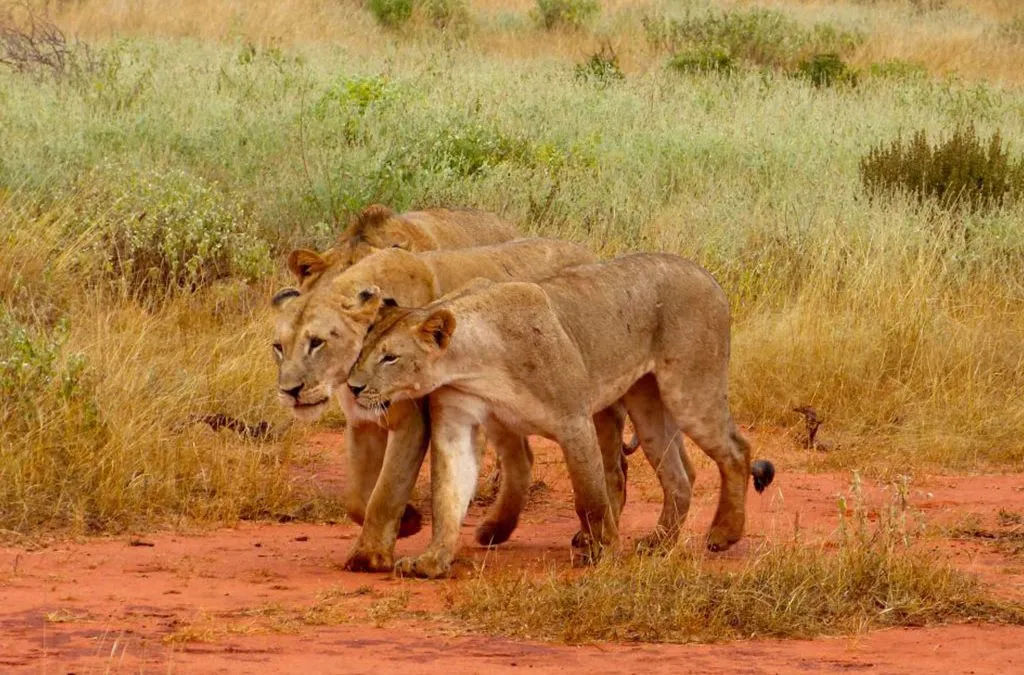
Tsavo National Park, one of the oldest national parks in Kenya, is situated in the southeastern region of the country and comprises Tsavo West National Park and Tsavo East National Park, which are divided by a railway line. Renowned for its man-eating lions, Tsavo National Park features a difficult terrain of mountains and forested grasslands, particularly in Tsavo West National Park. Conversely, Tsavo East National Park is distinguished by semiarid grasslands and savannah, where several wildlife species are observable. The man-eating lions in Tsavo National Park acquired their notoriety when two maneless lions assaulted construction workers during the railway’s construction through the park. These lions are among the sights that captivate travelers exploring this national park.
Tsavo East National Park
Tsavo East National Park is a premier safari location situated in the southeastern area of Kenya. Spanning 13,747 square kilometers, Tsavo East constitutes a segment of the expansive Tsavo National Park, which is bifurcated into Tsavo East and Tsavo West National Parks. Covering an area of nearly 21,000 square kilometers, it is the largest wildlife reserve in Kenya. The park was inaugurated in April 1948 in a semi-arid region formerly referred to as the Taru Desert, adjacent to the town of Voi in Taita-Taveta County of the former Coast Province. Tsavo East National Park is delineated from its counterpart by the A109 road and a railway. The Park, renowned for its remarkable landscape, is named after the Tsavo River.
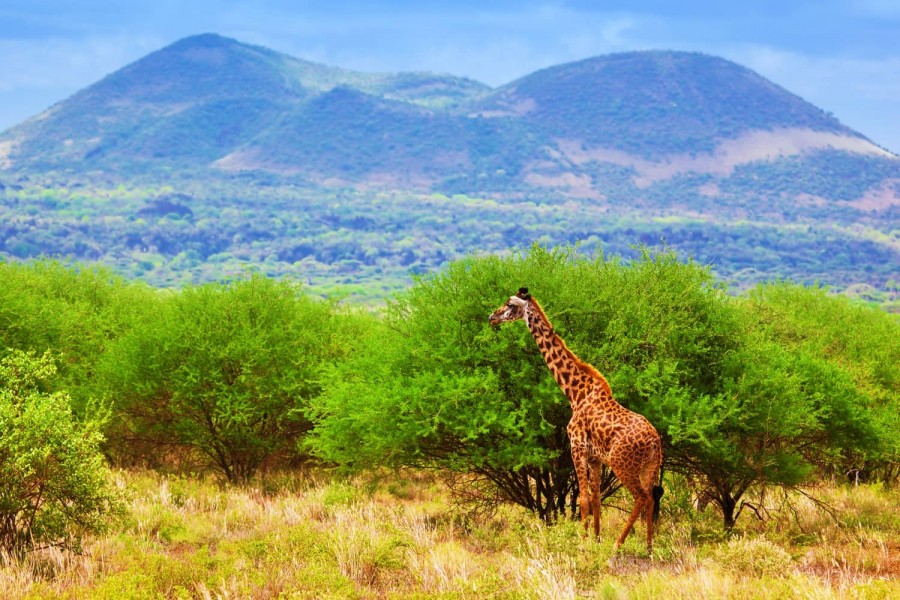
Tsavo East National Park is a renowned safari locale for animal aficionados and nature enthusiasts. The park is renowned for its man-eating lions and savannah grassland, which hosts a diverse array of species. Tsavo gained notoriety in prior years when two mane-less lions assaulted construction workers during the railway’s construction that traverses the area. Moreover, these lions are among the key attractions that enhance the experience of visiting Tsavo East National Park. The park hosts a substantial population of wildlife, including all of the African Big Five and more over 500 bird species observable during a safari in Kenya.
Sites of Interest in Tsavo East National Park
Wildlife in Tsavo East National Park
Tsavo East National Park hosts a diverse array of wildlife, prominently featuring wandering elephants and predatory lions. The elephants are usually observed foraging around the Galana River. The park also has other members of the Big Five: lions, leopards, rhinoceroses, and buffaloes. The Park also features several species, including a robust population of grazers that constitutes over 70% of the overall animal population in Tsavo East National Park. The grazers in Tsavo East comprise Kobs, Wildebeests, Gazelles, Topis, Giraffes, Zebras, Dik-dik, Kudu, Oribi, Eland, and Impala.
The park is home to predators including as lions, leopards, cheetahs, and the Genet cat. Tsavo East National Park is one of the few national parks where the last endangered African wild dogs are located. However, additional predators to be vigilant of include hyenas, foxes, jackals, and the Soviet cat, among others.
Bird species in Tsavo East National Park
Tsavo East National Park is an exceptional avian observation location and deserves a place on your itinerary of birding safari locations in Kenya. The park has around 500 avian species, encompassing both resident and migratory varieties. The park is abundant with avian species including ostriches, starlings, weaver birds, kestrels, buzzards, kingfishers, hornbills, secretary birds, herons, eastern chanting-goshawks, eurocephalus, slender-tailed nightjars, female eastern paradise flycatchers, golden pipits, Rufous chatterers, Somali bee-eaters, martial eagles, Shelley’s starlings, and African finfoots, among others. Migrant species from Europe and North America arrive in Tsavo East National Park between November and April.
The Yatta Plateau
The Yatta Plateau is a remarkable site in Tsavo East National Park and an essential element to experience during a safari in Kenya. The plateau, extending over 290 kilometers, constitutes the longest lava flow globally, originating from the lava that created the Ol Doinyo Sabuj Mountain during its eruption. The Yatta plateau is situated above the Athi River, at the western boundary of Tsavo East National Park.
The plateau was formed by lava from the Ol Doinyo Sabuk Mountain during its eruption and is a notable feature of Tsavo East National Park. The Yatta plateau is characterized by extensive vegetation, featuring Baobab trees, marshes, seasonal pools, and dams, however it has little permanent water sources. Visitors to the plateau can partake in various activities, including wildlife drives, walking safaris, camping, birdwatching, and hot air balloon safaris.
Rivers Tsavo and Galana
The remarkable landscape of Tsavo East National Park is intersected by two rivers: the Galana River and the Tsavo River. These two rivers are vital water sources for the park and its wildlife. The Tsavo River traverses the two Tsavo national parks, Tsavo East and Tsavo West, before merging with the Athi River to create the Galana River. The Galana River rises in the southern Kenyan hills and traverses Tsavo East National Park on route to the Indian Ocean. The Galana River is abundant with crocodiles, which are intriguing to observe.
Mudanda Rock
The Mudanda rock in Tsavo East National Park is a 1.6-kilometer-long inselberg of stratified granite that functions as a water catchment for the natural dam situated beneath it. The rock functions as a watering source for animals, especially in the arid season. Mudanda Rock serves as an excellent vantage point within the park, frequented by travelers to observe wildlife, including elephants, wildebeest, and buffaloes, as they approach the water source.
Kanderi Marsh
This wetland serves as a water source for the remarkable ecosystem of Tsavo East National Park. Located adjacent to the Voi River, the swamp is a remarkable tourist destination within the park, attracting numerous species as a vital water source.
Lugard Falls
Lugard Falls is a remarkable attraction situated in Tsavo East National Park and an exhilarating destination to see during a safari in Kenya. Lugard Falls is created by the Galana River and features a series of white-water rapids.
Aruba Dam
The Aruba Dam is a water reservoir located in Tsavo East National Park, constructed in 1952 along the Voi River. Numerous animals assemble in Aruba Dam to hydrate, particularly during the arid season. Furthermore, the dam is home to a diverse array of avian species that can be observed during a visit.
Safari Endeavors in Tsavo East National Park
Safari Excursions
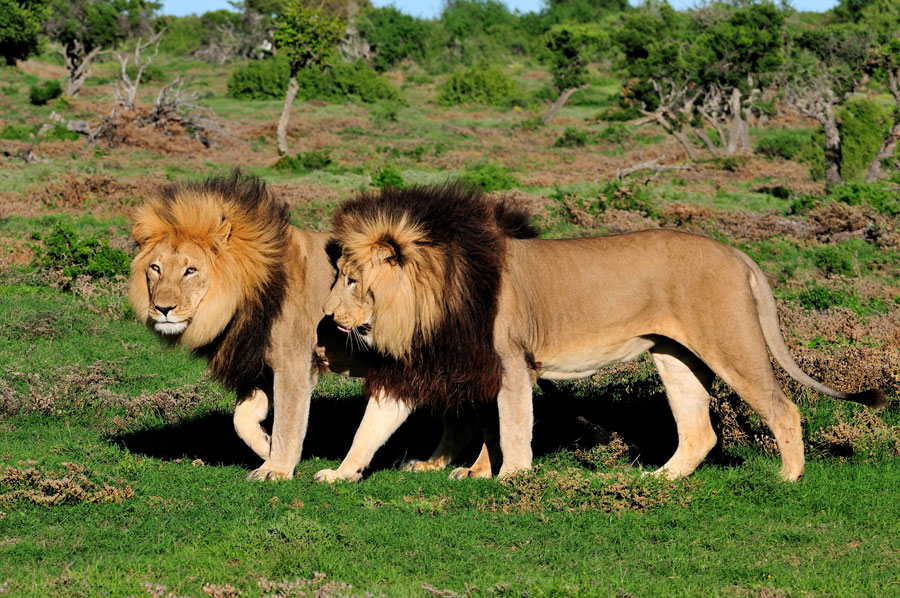
Tsavo East National Park offers breathtaking vistas of diverse wildlife species. Game drives in Tsavo occur in the early morning at sunrise, in the late afternoon or evening, and at night to observe nocturnal wildlife. The park provides full-day game drives, allowing tourists to thoroughly explore the magnificent Tsavo Park. During your morning game drive, you may encounter elephants, waterbucks, impalas, spotted hyenas, buffaloes, baboons, warthogs, giraffes, marsh mongooses, and numerous other species. On a midnight game drive, one may observe nocturnal creatures like bush babies, as well as predators including leopards and lions engaged in hunting activities.
Bird Watching
Tsavo East hosts approximately 500 avian species, providing birding enthusiasts on a Kenyan safari with exhilarating birdwatching experiences. Numerous dry-country species are readily observable, including the remarkable Golden-breasted starling, golden pipit, and Vulturine guinea fowl. The park serves as the southernmost refuge for Somali ostriches and a significant wintering habitat for European migratory species from November to April.
Prominent avian species in Tsavo East National Park encompass the Somali bunting, slender-tailed nightjar, Taita falcon, Taita fiscal, rufous chatterer, Pangani longclaw, northern brownbul, Fischer’s starling, African finfoot, vulturine guineafowl, Somali ostrich, Somali bee-eater, red-bellied parrot, martial eagle, and black-faced sandgrouse, among others.
Bush brunches, sundowners, and picnics
Dining during a Kenya safari extends beyond the confines of the dining room at Tsavo East National Park. Tourists may arrange breakfast overlooking the Yatta Plateau or enjoy a respite from wildlife observation with a picnic beneath a tamarind tree. Experience freshly cooked cuisine and beverages while observing the coral sun descend behind the hills from a spectacular rocky cliff during an African sundowner.
Supervised Safari Excursions
Tsavo East National Park provides exceptional guided safari excursions across the park. The hikes provide an excellent opportunity to observe the park’s key features and explore areas that are inaccessible by vehicle. Strolling in the park provides an opportunity to observe many animals and spectacular natural features, like the Galana River and countless adjacent birds.
Cultural Excursions
Tsavo East National Park is encircled by the Maasai people, who possess a unique traditional culture. The Maasai of Kenya possess a unique culture characterized by a particular clothing code and a nomadic lifestyle. A visit to the Maasai of Tsavo will reveal the distinctive culture and traditions of this indigenous group, including their extraordinary traditional dance.
Hiking and Climbing Rock Faces
Hiking and rock climbing in Tsavo East National Park offer an exceptional experience for nature aficionados. The park features prominent rocky formations, including Mudanda Rock and the Yatta Plateau, which are excellent for hiking and rock climbing.
What is the best time to visit Tsavo East National Park?
Although Tsavo East National Park is accessible year-round, the dry season is the optimal period for visitation. The park has prolonged dry periods from June to October and subsequently from December to February. In the arid months, the park’s grassland is sparse, facilitating game observation. This is particularly advantageous for observing rare leopards and black rhinoceroses. At this time, the park is readily accessible, with game viewing routes being dry and navigable.
Tsavo East National Park is accessible during the rainy season, which offers several advantages. During the rainy season, animals gather in a single spot to graze on the verdant grass. The abundance of water prevents the animals from straying far from the park in search of it. Consequently, the game drives are succinct yet consistently gratifying. Furthermore, the rainy season is regarded as the off-peak safari season, characterized by reduced safari pricing. Furthermore, if you appreciate avian observation, the rainy season is the optimal period to visit Tsavo East National Park, as it coincides with the mating of resident birds and the presence of migratory species.
Accessing Tsavo East National Park
Via Road
Tsavo East National Park can be accessed by car from Nairobi via Mombasa car, approximately 240 kilometers to the Mtito Adei Gate. Subsequently, it is a further 290-kilometer drive to Tsavo Gate. Road transportation is exceedingly rewarding, offering beautiful views of the terrain and countryside.
Via Aircraft Transport
Tsavo East National Park is accessible via plane. Flights are available from either Wilson Airport or Nairobi’s Jomo Kenyatta International Airport to the park’s airstrips, specifically Voi Airstrip, in under 40 minutes.
Lodging in Tsavo East National Park
Tsavo East National Park offers convenient lodging for travelers on a safari in Kenya. These establishments offer accommodations, including sleeping quarters, beds, and more amenities to enhance your comfort during your stay. Accommodations in Tsavo East National Park comprise;
Voi Wildlife Lodge
Kilaguni Serena Safari Lodge
Ashnil Aruba Lodge
Severin Safari Camp, Tsavo Lodge Voi Loyk Tsavo Camp
Satao Tented Camp, Sentrim Tsavo East, Sao Tsavo Camp
Tsavo West National Park
Tsavo West National Park emerged from Tsavo National Park following the construction of a main road that bifurcated the park into two sections: Tsavo West National Park and Tsavo East National Park. The park is located along the Kenyan coastline near to the Indian Ocean. Tsavo West National Park encompasses an area of 9,065 square kilometers. The A109 highway and the railway line connecting Nairobi to Mombasa separate it from Tsavo East National Park. The park borders other ranches and additional protected regions that collectively constitute the larger Tsavo Conservation Area. This is one of the premier national parks in Kenya.
Tsavo West National Park is the most renowned destination of the two Tsavo parks, owing to its convenient accessibility from Kenya’s coastal area and the park’s remarkable scenic splendor. It is abundant in diverse animals. The park contains several volcanic characteristics, including Mzima Springs and rocks, among others. Additional advantages include an extensive road network, well-marked walking routes, a rhino reserve, among others.
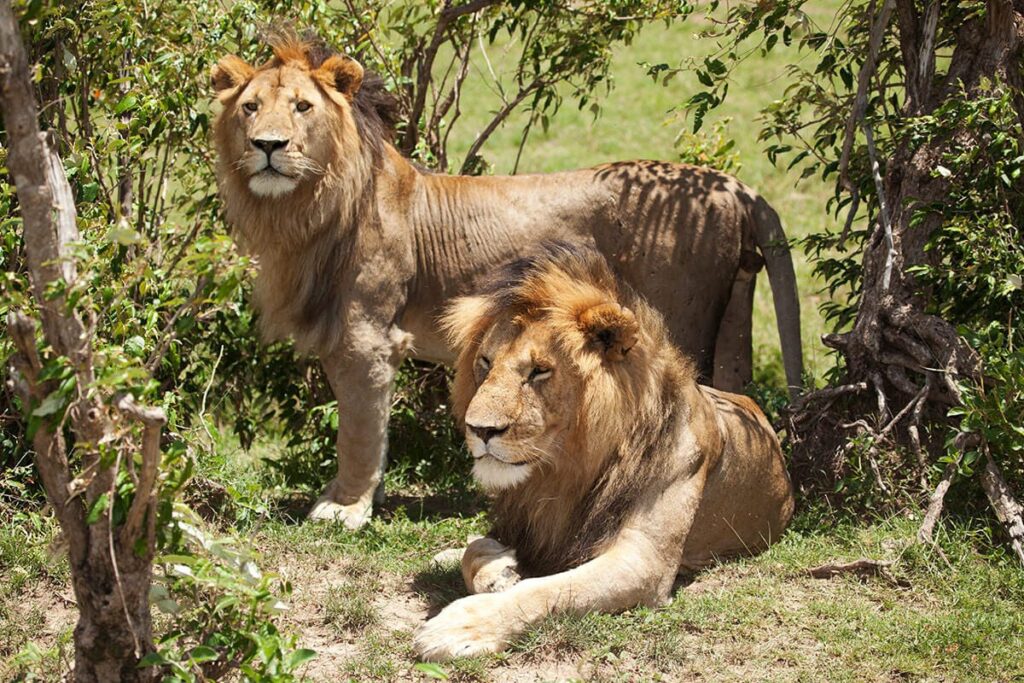
Tsavo West National Park was established concurrently with Tsavo East National Park in 1948. It is renowned as “the land of lava, springs, enchanting sunsets, and man-eaters.” The most experiential aspect of your visit to the park is observing the beautiful, crystalline water that flows from the subterranean rock. The lava rock generates in excess of 50 million gallons of pristine crystal-clear water each day. Endowed with a diverse array of attractions, including the prominent subterranean dry lava formations and Mzima Springs. The park is one of the largest protected areas in Kenya, managed by Kenya Wildlife Services. It encompasses a total geographical area of 9,065 square kilometers, featuring a diverse array of landscapes, including swamps and natural springs.
Numerous artifacts from the Stone Age indicate that humans inhabited this park over 6,000 years ago. The archeological sites surrounding the Galana River served as a livelihood source for early humans through fishing and supplying water for residential purposes. The majority of these individuals were foragers, hunters, and anglers who relished capturing wildlife when they approached water sources. Nevertheless, the park was widely recognized as a habitat for man-eating lions that preyed upon railway workers traversing the area.
In the 1980s, Tsavo West National Park experienced minor impacts from poaching, resulting in the decline of African large game populations, particularly elephants and rhinos. The Kenyan Government, through the Kenya Wildlife Service, deserves commendation for its exemplary efforts in combating poaching, resulting in significant improvements in wildlife populations.
Directions to Tsavo West National Park
Tsavo West National Park is situated 240 kilometers from Nairobi along the Nairobi-Mombasa Road. The journey requires 5 to 6 hours of driving through several villages and small towns over the well-maintained tarmac route. The park can also be accessible via the southern entrance of the Mtito gate, which connects directly to Mombasa. One may utilize the train that departs daily from Nairobi to Mombasa. Your Amboseli excursion can be extended to Tsavo West National Park via the Chyulu Gate.
By Air: Domestic flights can be reserved from Wilson Airport, Mombasa, or Jomo Kenyatta International Airport to many airstrips within the park, including Kamboyo Airstrip, Tsavo Gate Airstrip, Ziwani Airstrip, among others.
Things of Attraction at Tsavo West National Park
Tsavo West National Park boasts numerous attractions. The park’s vastness confers an advantage to the expansive area. Guests may explore this park for almost four days while visiting various attractions.
Ngulia Sanctuary: The Ngulia Sanctuary serves as a refuge for unique rhinos, established to safeguard the existence of the endangered black rhinos within the park. The refuge has experienced a significant increase in rhino populations since its introduction. The sanctuary is a principal attraction located in Tsavo West National Park, enhancing the completeness of your African safari experience.
The Mzima Springs: This location generates over 50 liters of crystalline water using subterranean forces. The Mzima Springs are distinctive attributes of the active volcanoes that draw numerous visitors to observe the forces of nature. Water is expelled from the base of the lava rock, making it an excellent sightseeing location.
Wildlife: Tsavo West National Park is home to over 70 species of animals, including all of the African Big Five. The park serves as a singular destination for travelers seeking an authentic African wildlife experience, with predators and other large cats. The park’s wildlife consists of permanent residents observable year-round, facilitated by the enduring river. The most frequently observed creatures include lions, leopards, giraffes, elephants, buffalo, hyenas, cheetahs, topi, kudu, zebras, mongooses, olive baboons, and numerous others.
Tsavo West National Park boasts over 400 recorded bird species, with Ngulia Hills being the premier birdwatching location. The park experiences avian migration that occurs annually during the wet season, as it serves as a migratory route. The extensive avian list comprises: Pangani Longclaw, African Finfoot, Basra Reed Warbler, River Warbler, Corncrake, Golden Pipit, Shelley’s Starling, Pied Kingfisher, Golden Palm Weaver, Eastern Black-headed Oriole, Somali Ostrich, Taita Fiscal, Taita Falcon, Narina Trogon, Martial Eagle, Lesser Kestrel, among others.
Lake Jipe serves as a vital water source for animals; its catchment area is an exceptional habitat for several aquatic species, including crocodiles, hippos, and numerous waterfowl such as the African finfoot.
Activities undertaken in Tsavo West National Park
Game Viewing/Game Drives: Tsavo West National Park provides an authentic African wildlife experience, with increased opportunities to observe all of the African Big Five. Game drives occur three times daily: morning, afternoon, and night. The park is one of the few national parks in Kenya that offers night game drives. One may appreciate an intimate observation of the fauna, particularly the reddish-hued elephants, leopards, lions, cheetahs, zebras, hyenas, topis, kudu, and several others. Game drives occur year-round, however the optimal period is during the dry season when the grass is minimal. The optimal period for undertaking the game drive is from June to October and from December to February.
Mzima Springs is the source of about 50 gallons of clear, crystalline water emerging from beneath the lava rocks. The Springs are located in the northern section of the park, adjacent to the Chyulu Hills, which lie beneath the lava ridges. The natural openings that allow water to cascade out for the enjoyment of the people observing the scenery. Visiting these springs is worthwhile due to the distinctive experience of observing nature’s forces.
Birding: If you are an avian enthusiast, Tsavo West National Park is the ideal place. It is merely a task to ensure the selection of the optimal tour operator possessing qualified birding guides. The park serves as a migration pathway for numerous beneficial avian species originating from various regions globally. Birdwatching can occur year-round, although the optimal months are the rainy season when avian species are nesting. The most frequently cited avian species encompass the Pangani Longclaw, African Finfoot, Basra Reed Warbler, River Warbler, Corncrake, Golden Pipit, Shelley’s Starling, Pied Kingfisher, Golden Palm Weaver, Eastern Black-headed Oriole, Somali Ostrich, Taita Fiscal, Taita Falcon, Narina Trogon, Martial Eagle, Lesser Kestrel, among others.
Rhino Tracking: Guests experience all of Africa’s Big Five in Tsavo West, with rhinoceros trekking conducted in the Ngulia Rhino Sanctuary. Ngulia Rhino Sanctuary, encompassing 90 square kilometers, is a protected habitat for black rhinos, enclosed by fencing. This sanctuary was established to guarantee the protection of the rhinos.
Tsavo West National Park is a remarkable, secluded reserve that is perfect for those seeking an authentic African wilderness abundant in wildlife.