 info@gorillatrekkinginafrica.com

Why is gorilla permit so expensive?
Why is gorilla permit so expensive, Safeguarding gorillas necessitates substantial investment in research, park rangers, and scientific expertise. A portion of the revenue generated from gorilla licenses is allocated to initiatives aimed at safeguarding these magnificent creatures. Typically, 15% of the funds generated from gorilla licenses is allocated to the government, 10% to local communities, and 75% to gorilla conservation efforts. It is crucial to acknowledge that a substantial reduction in the cost of gorilla licenses will lead to an influx of tourists, jeopardizing the welfare of the limited gorilla populations.
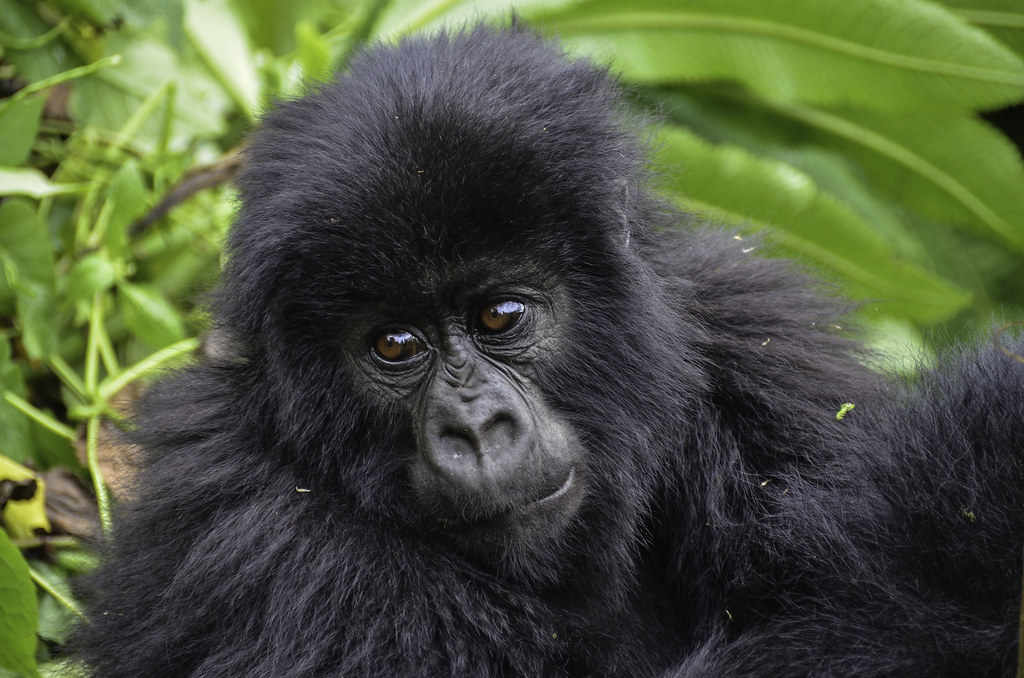
Traveling solo incurs more costs since one must independently cover transportation, hotel, and fuel expenses. Furthermore, it is essential to acknowledge that firms impose surcharges on the overall trip cost to cover administrative services (such as tour guides, office personnel, and operational duties), typically ranging from 10% to 20% of the total expense. The elevated expense of obtaining Rwandan gorilla permits results in a reduced number of tourists per gorilla family. This enhances the exclusivity and enjoyment of the experience for travelers.
This contrasts with the more affordable gorilla sites, where gorilla populations are overcrowded and tourists flock to observe the gorillas. Mountain gorillas represent a notable triumph in conservation efforts, relatively speaking. They are the sole great apes globally whose population has increased rather than decreased. This performance is costly.
This is the outcome of substantial endeavors by RDB in collaboration with local and international charities and NGOs. We maintain continuous monitoring of gorillas, with ranger patrols safeguarding them from poachers and traffickers, and vets on hand to address illnesses and injuries. The continuous care and protection is undoubtedly costly, serving as a significant rationale for the high expenses incurred by people seeing the gorillas. Gorilla research and monitoring necessitate substantial funding, which is sourced via the selling of gorilla licenses.
Gorilla tourism, alongside gorilla parks, has emerged as an indirect source of income for communities. To ensure the conservation of these endangered species, all governments have instituted explicit norms and restrictions for gorilla trekking that tourists are required to adhere to. Individuals opting for gorilla trekking in Virunga National Park must initially arrive in Kigali and subsequently travel to the Congo border, a journey that typically requires approximately four hours. Individuals who consider the cost of gorilla permits in Rwanda prohibitive may opt to monitor gorillas in Uganda, traveling through Kigali to circumvent an 8-hour journey from Entebbe or Kampala, Uganda’s capital.
Solo travelers incur higher expenses for gorilla trekking safaris as they do not share costs with others. Gorilla trekking is also conducted in Uganda and the Democratic Republic of Congo. Tipping during gorilla trekking is not obligatory and should only be given when satisfactory service has been rendered. This illustrates why Rwanda, for instance, raised its gorilla permit charge to $1500 to conserve the diminishing mountain gorilla habitat.
Authorities indicate that proceeds from the sale of gorilla licenses will be largely allocated to remunerate ranger leaders responsible for overseeing the welfare of mountain gorillas in their habitats, including tracking their movements, food, and health. Travelers can travel to Kigali and subsequently hike from Bwindi, which is about four hours away, to commence and conclude their gorilla trekking safari in Kigali. The substantial cost of gorillas renders gorilla tracking the priciest safari experience in Africa. A multitude of people have engaged in this extraordinary, transformative experience with mountain gorillas, while others are organizing their next gorilla excursions.
Since the era of Dian Fossey, who significantly raised global awareness of Rwanda’s mountain gorillas through her book and film, Gorillas in the Mist, their population has increased consistently, if not dramatically.
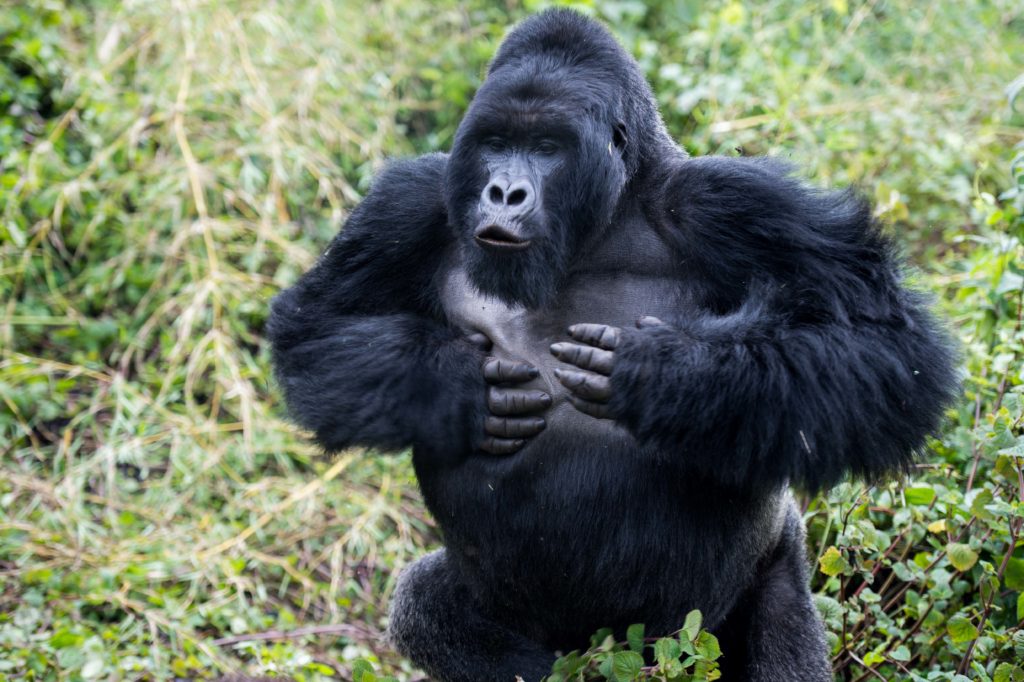
What is a Gorilla Trekking Permit and Why is it Required?
A gorilla trekking permit is a government-issued document that allows access to protected regions for the purpose of watching a habituated gorilla family in their natural habitat for one hour. Consider it your only opportunity for a unique wildlife experience.
These licenses serve as more than mere access to a national park. They fulfill multiple essential functions:
1. Conservation: Gorilla permits are fundamental to gorilla conservation initiatives. The payments paid for a permit directly contribute to:
Anti-poaching patrols: Safeguarding gorillas from illicit hunting and habitat encroachment.
Habitat conservation: Preserving and augmenting protected regions for gorilla flourishing.
Community development: Assisting local communities residing adjacent to gorilla habitats via education, healthcare, and sustainable livelihood initiatives. Funding scientific study and monitoring to enhance our understanding and protection of these remarkable creatures.
2. Tourism Regulation: Gorilla trekking is a highly coveted activity; yet, it is essential to restrict tourist numbers to safeguard the welfare of the gorillas and their habitat. Permits facilitate the regulation of tourist influx, mitigating overcrowding and reducing the effects of human activity.
3. protection: Gorilla trekking occurs in isolated, challenging terrains, necessitating the presence of armed rangers and professional guides to ensure the protection of both visitors and gorillas. The permit payments contribute to the expenses associated with these preventive measures. Examine: Is Gorilla Trekking in Uganda Secure?
Sustainable Tourism: Responsible gorilla tourism can serve as a significant catalyst for positive impact. By mandating permits, governments may guarantee that tourism revenue is reinvested in conservation and community development, establishing a sustainable paradigm that advantages both humans and wildlife.