 info@gorillatrekkinginafrica.com

Lake Naivasha National Park
Lake Naivasha National Park is a compact, scenic national park featuring a freshwater lake, Lake Naivasha, encircled by hills that harbor diverse species. Lake Naivasha is situated in the bottom of the Great Rift Valley, northwest of Nairobi, the capital of Kenya. The National Park’s name “Naivasha” originates from the Masai term “Naiposha,” signifying rough water in English. Lake Naivasha acquired its name due to the lake’s peculiar and abrupt storms that frequently occur.
Founded on April 10, 1995, Lake Naivasha National Park is among the most recent national parks in Kenya available for travelers during a safari tour. The National Park is a compact area encompassing 140 square kilometers, predominantly featuring the shallow and seasonal freshwater Lake Naivasha, which experiences substantial reductions in water levels throughout the dry season.
Lake Naivasha National Park is a compact, scenic national park featuring a freshwater lake, Lake Naivasha, encircled by hills that harbor diverse species. Lake Naivasha is situated in the bottom of the Great Rift Valley, northwest of Nairobi, the capital of Kenya. The National Park’s name “Naivasha” originates from the Masai term “Naiposha,” signifying rough water in English. Lake Naivasha acquired its name due to the lake’s peculiar and abrupt storms that frequently occur.
Founded on April 10, 1995, Lake Naivasha National Park is among the most recent national parks in Kenya available for travelers during a safari tour. The National Park is a compact area encompassing 140 square kilometers, predominantly featuring the shallow and seasonal freshwater Lake Naivasha, which experiences substantial reductions in water levels throughout the dry season.
Attractions of Lake Naivasha National Park
Lake Naivasha National Park presents numerous things for travelers to see while their safari in Kenya, specifically at this park. The Park is a favored stopover when traveling to Lake Nakuru National Park and Hell’s Gate National Park. The following are the principal attractions of Lake Naivasha Park:
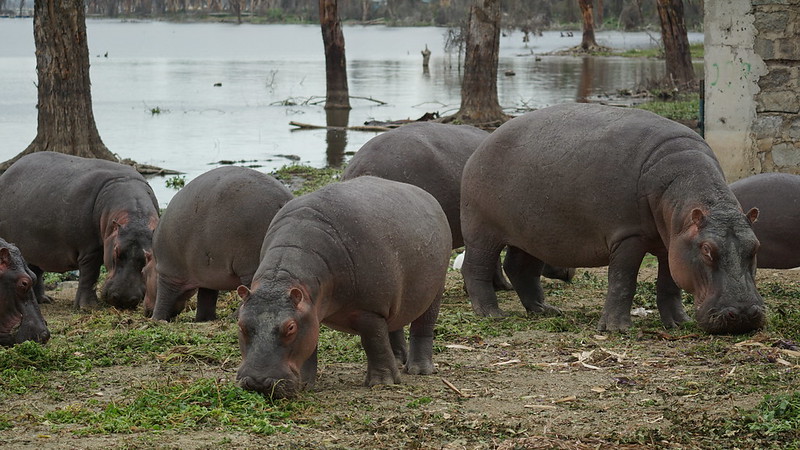
Lake Naivasha is the primary feature of the park, from which it takes its name. This superficial and ephemeral freshwater The banks of Lake Naivasha are adorned with papyrus and diverse forest tree types, which attract an array of avian and primate species, including monkeys and baboons. Various wildlife species, including gazelles, giraffes, and buffaloes, can be observed drinking fresh water. Lake Naivasha hosts schools of hippos that bask in the waters throughout the day, providing travelers with a remarkable spectacle.
Mount Longonot, standing at 2,776 meters, is an extinct volcano that last erupted in the 1860s. Mount Longonot features a prominent crater rim at its summit, however devoid of water. The name Longonot derives from the Masai term Olo Nongot, meaning a mountain with multiple summits. Hiking Mount Longonot requires between 2 to 4 hours, contingent upon an individual’s hiking proficiency.
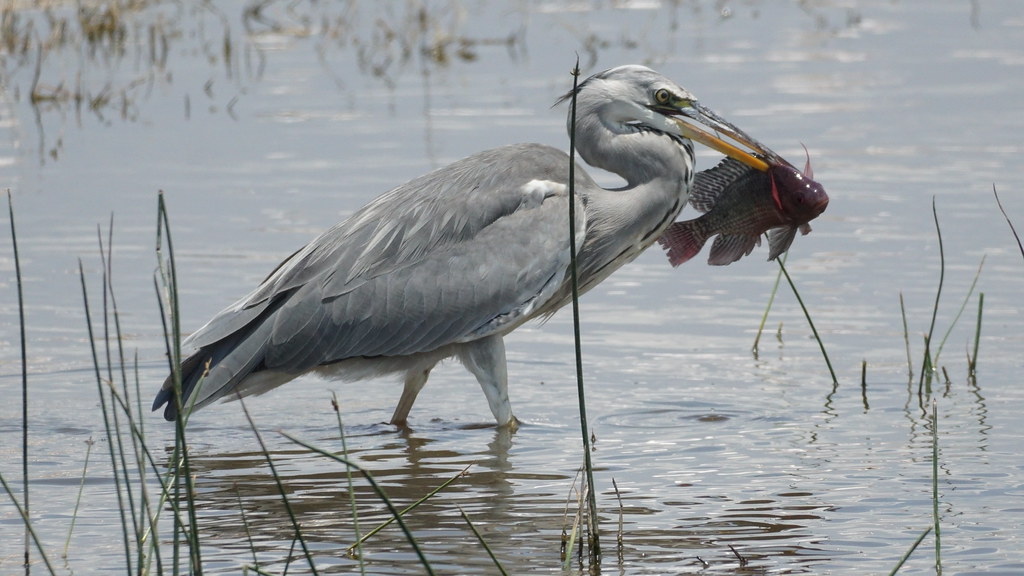
Bird species: Lake Naivasha National Park has documented more than 350 bird species. The dense papyrus and diverse vegetation support the avian species residing in the area. Travelers are likely to observe several bird species, including the gonolek, African fish eagle, flamingo, African spoonbill, Palearctic duck, and red-knobbed coot.
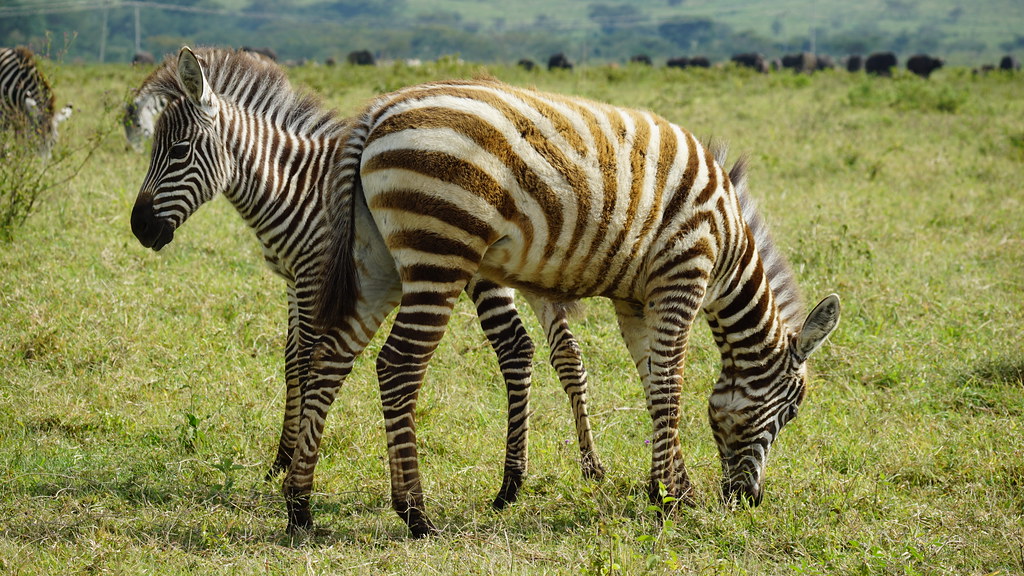
Wildlife at Lake Naivasha Park is highly diversified. Travelers can observe several wild animals, including giraffes, zebras, buffaloes, hippos, and many others. These creatures can be observed on a game drive, walking safari, motorcycling, or horseback riding in the park.
Crescent Island is an unfenced private sanctuary that permits unrestricted passage of wildlife. Nature walks are permitted on Crescent Island but prohibited in other areas of Lake Naivasha. Access to Crescent Island is via boat or a 4WD across a small, muddy route typically utilized by animals such as buffaloes.
Elsamere consists of stippled trees with sisal that create a woodland along the banks of Lake Naivasha. The forest contains several tree species, including yellow fever trees, named for the color of their foliage, among many more. These tree species support many avian and mammal species
Things to Do in Lake Naivasha National Park
Lake Naivasha offers a diverse array of attractions, providing numerous activities for engagement and exploration. Despite its modest size and absence of the Big Five typically found in most Kenyan national parks, Lake Naivasha National Park is an excellent destination due to its diverse offerings. A visit to Lake Nakuru National Park, Masai Mara National Park—arguably the premier national park in Kenya—and Hell’s Gate National Park, all of which are readily accessible from the park, can also enhance the experience. The following activities are available for travelers in Lake Naivasha Park:
Wildlife observation
L. Naivasha National area hosts approximately 100 wildlife species, making game viewing a highly gratifying endeavor for travelers seeing diverse fauna within the area. Game watching in Lake Naivasha National Park can be conducted by game drives or walking safaris, offering abundant opportunities to observe wildlife. Among the creatures observable during game viewing are hippopotamuses, giraffes, wildebeests, zebras, waterbucks, and numerous others. Game viewing is possible throughout the day, with early morning being the optimal time.
Horseback riding
Horseback riding occurs in several national parks in Kenya. Horseback riding in Lake Naivasha Park offers an excellent opportunity for game viewing, allowing riders to approach and interact closely with the wildlife. While horseback riding, you will encounter several wild animals. A game ranger typically accompanies the group to ensure safety in the event of any difficulties.
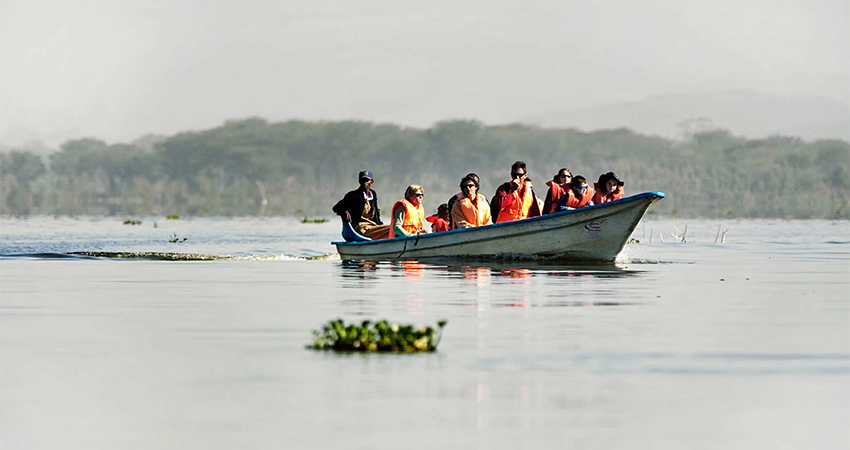
Boat cruise
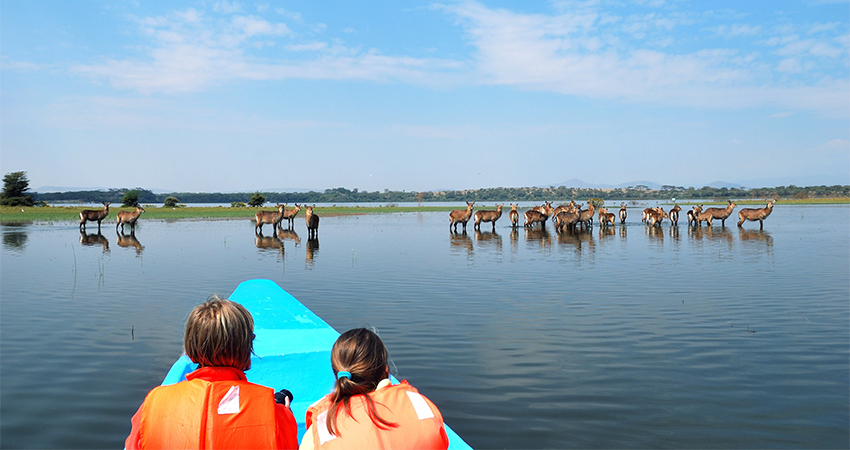
A boat tour enables travelers to savor the fresh air of Lake Naivasha while observing wildlife, including avian species. A line of hippos may be observed foraging in the water and muck nearby, along with many other creatures such as zebras and giraffes, as they drink from the fresh water or leisurely stroll around the lake’s banks
Hiking
Hiking in Lake Naivasha National Park is available on Mount Longonot, offering a comparable mountain hiking experience. The trek to Mount Longonot requires around 2 to 4 hours. A modest level of fitness suffices to ascend Mount Longonot. Various creatures can be observed while trekking Mount Longonot, including buffaloes, hartebeests, and zebras, among others. At the apex of Mount Longonot, there exists a crater devoid of water, presenting a remarkable vista. At the summit, travelers are rewarded with a panoramic vista of Lake Naivasha National Park.
When is best Time to Visit Lake Naivasha National Park
Determining the optimal time to visit Lake Naivasha in Kenya necessitates an evaluation of the distinct seasons that influence the environment and wildlife behaviors. Lake Naivasha serves as a perennial attraction, providing a variety of experiences. The optimal season occurs between June and October, aligning with the summer months and offering a favorable climate for your vacation.
Lake Naivasha experiences two dry seasons and two rainy seasons annually. The prolonged, chilly dry season extends from July to October, followed by a short wet season in November and December. January and February signify the brief hot-dry season, but April to June represents the prolonged rainy season. Rainfall commences in late March and concludes in early July.
Comprehending these seasons is essential for orchestrating a timely visit to Naivasha, since they affect visibility, pasture availability, water levels, and wildlife activity. Plentiful flora and aquatic resources over the extended rainy season scatter fauna, affecting wildlife observation. Conversely, the arid season compels animals to gather around the dwindling waterholes owing to limited resources, hence increasing wildlife visibility.
The protracted dry season and the prolonged rainy season offer both benefits and disadvantages. The extended cool-dry season improves animal observation prospects and guarantees well-preserved roadways for safari endeavors. Nevertheless, the vegetation may seem less colorful in comparison to the wet season. The arid season, coinciding with the Great Wildebeest Migration from August to October, draws a multitude of visitors to Lake Naivasha.
The commencement of the extended rainy season from April to June alters the landscape, promoting lush vegetation and heralding the emergence of a new generation of fauna, especially antelopes such as impalas. Although wildlife is more scattered during this time, observing the close connection between mother and children enhances the excitement of the safari experience.
The low or green season, mainly in April and May, but extending into June, provides a tranquil escape at Lake Naivasha. This season highlights nature’s vitality, and decreased lodging rates render it an appealing choice for vacationers in search of serenity. Nevertheless, logistical expenses and conservation charges stay unchanged throughout the year.
How to get to Lake Naivasha National Park
Nairobi’s proximity renders Lake Naivasha readily accessible from the capital city. The C88 and the Old Naivasha Road, including 98 kilometers, require around 2.5 hours to traverse. The most economical form of transportation is a matatu, a privately owned minivan capable of seating 7 or 8 individuals. You should exit at the Naivasha Junction stop on the Mololine Express, which operates between Nairobi and Nakuru.
Is Lake Naivasha worth Visiting ?
Travelers desiring a day excursion from Nairobi may contemplate visiting Lake Naivasha. The 98-kilometer journey from Nairobi to Lake Naivasha via the C88 and Old Naivasha Road requires approximately 2.5 hours. Naivasha, owing to its closeness to the city, is a popular location for day trips, resulting in crowded conditions around the lake during weekends. To evade the crowds, it is advisable to visit during the week or to allocate several days as part of an extended tour. Comprehensive information regarding Lake Naivasha
What is Lake Naivasha renowned for?
Hippos and flamingos are distinguished for their enormous populations in Lake Naivasha. It is highly probable that you will observe one of the approximately 1,500 hippos in the area. The lake is a paradise for birdwatchers, with around 400 distinct avian species. Both lesser and greater flamingos assemble around the lake, producing a vibrant pink hue on the water’s surface.