 info@gorillatrekkinginafrica.com

When is the Best Time to Visit Kenya For A Safari (Month by Month)
When is the Best Time to Visit Kenya For A Safari is from June to October, characterized by minimal rainfall and moderate daytime temperatures. visit Kenya characterized by its varied landscape and temperate temperature, is regarded as an excellent year-round location for safaris and beach holidays.
The majority of safari destinations in Kenya are optimal from January to the end of March, characterized by a pleasant environment, predominantly dry conditions, and excellent wildlife viewing opportunities. A visit during the rainy season—between mid-March and June, then again from November to December—is highly advisable. You will evade the peak-season throngs and capitalize on reduced off-season pricing for safari lodges in Kenya. The Best Time to Visit Kenya For A Safari esteemed beach resorts is debatable: the Indian Ocean coastline has high temperatures and significant humidity throughout the year, with rainfall possible at any time.
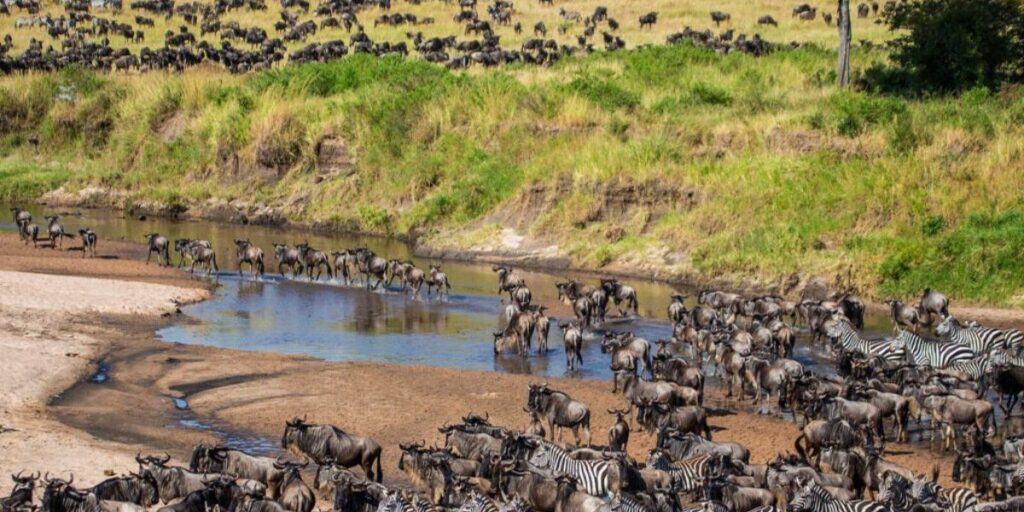
Month by Month Guide for Travelling for a safari to Kenya
Visiting Kenya in January & February
January is an excellent period for wildlife observation in Kenya, coinciding with the peak of the summer season. January is outside the two significant ‘long’ and ‘short’ rainy seasons, making it an opportune time for beach vacations along the Kenyan coast, although temperatures are elevated.
February is an excellent month for a safari in Kenya; the middle highlands get mild daytime temperatures and cool evenings, whilst the coast is exceedingly hot during the day, with elevated temperatures persisting into the evening. February has the minimal precipitation levels in the Masai Mara relative to the remainder of the year, resulting in an increased likelihood of observing wildlife at drinking holes. February is the optimal time to ascend Mount Kenya, Africa’s second highest summit.
Travelling to Kenya from March to May
In March, the weather rapidly shifts from ‘hot and dry’ to ‘wet and rainy’. Precipitation is prevalent in extensive regions of the country, rendering the savannah a muddy terrain, with certain portions being inaccessible due to impassable roads. The advantageous aspect of the suboptimal weather is the absence of crowds and reduced expenses.
April is among the most precipitation-laden months in Kenya. Nairobi and the central highlands see elevated temperatures during the day and moderate conditions at night, whereas Mombasa is consistently warm both day and night. Game drives may prove difficult on muddy roads during this month; yet, it is an exceptional period for photographers to embark on a safari. The environment is devoid of dust, characterized by verdant landscapes and dramatic skies that enhance the capture of remarkable wildlife photographs. Ensure the safeguarding of your equipment from environmental conditions!
In May, the prolonged rains have established themselves to nourish the African plains, and along the shore, the beaches are no longer a sunlit haven. The timing is not conducive for a retreat to powder-soft beach and water.
Travelling to Kenya from June to October
The period from June to October signifies the commencement of the extended dry season, considered the optimal time to visit Kenya for an authentic ‘Out of Africa’ safari experience. The weather is optimal during these arid months, animals gathers around water sources, and there is a palpable expectation for the entrance of the Great Migration’s massive herds into the Masai Mara.
In late July, the herds of nature’s most remarkable phenomenon begin to arrive in the Masai Mara, offering an opportunity for front-row views of stunning river crossings. The climate is moderate and arid, however not excessively dusty, with intermittent rain showers remaining a possibility.
In August, the Great Migration reaches its peak. Temperatures are agreeable, and remarkable events occur as thousands of zebras and wildebeest execute perilous river crossings, with ravenous crocodiles poised nearby. September often experiences arid conditions, and the opportunities for wildlife viewing persist.
In October, the migratory herds typically commence their departure from the Masai Mara; nonetheless, Kenya boasts an abundance of resident species that will continue to captivate safari fans in Big 5 territory.
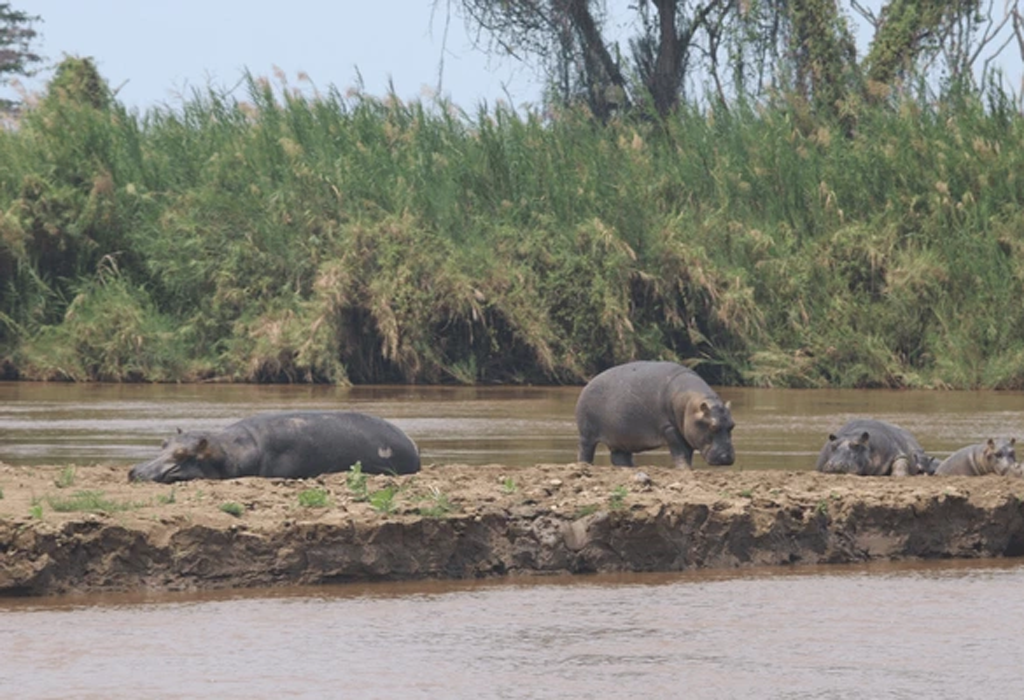
Visiting Kenya between November & December
November marks the commencement of the brief rainy season, during which the majority of parks and campgrounds remain operational, however certain camps on the Laikipia Plateau cease operations. Notwithstanding the rain, this is an opportune moment to experience a less congested Kenya safari at reduced rates.
The final month of the year may be exceedingly warm with possible precipitation, yet observing the indigenous fauna remains, as ever, magnificent. December is particularly advantageous for ornithologists, as avian populations significantly surge during this period.