 info@gorillatrekkinginafrica.com

3 day gorilla trekking and golden monkey tracking in volcanoes National Park
3 day gorilla trekking and golden monkey tracking in volcanoes National Park, Nestled in the misty, emerald-green folds of the Virunga volcanic mountains in northwestern Rwanda, Volcanoes National Park stands as one of Africa’s most awe-inspiring wilderness destinations. This ancient, primordial landscape — draped in dense montane rainforest, bamboo groves, and Hagenia woodland — is home to roughly one-third of the world’s remaining mountain gorillas, making it the most important sanctuary for this critically endangered species on Earth.
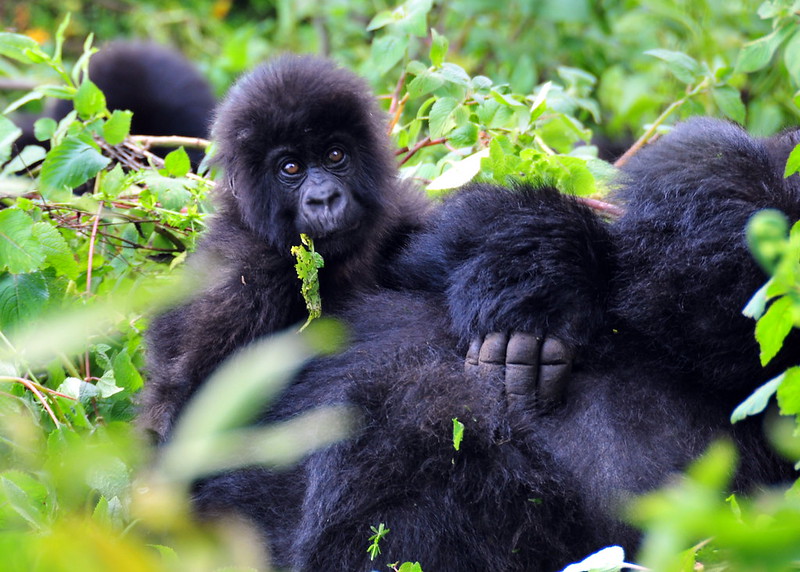
A 3-day itinerary at Volcanoes National Park offers the rare and humbling privilege of encountering two of the planet’s most extraordinary primates in their natural habitat: the iconic mountain gorilla (Gorilla beringei beringei), whose soulful eyes and gentle power have captivated naturalists and travelers alike for generations, and the vibrantly beautiful golden monkey (Cercopithecus kandti), an endemic species found only in the bamboo forests of the Virungas. Together, these encounters form a wildlife experience unmatched anywhere else on Earth.
This comprehensive guide takes you through every detail of planning and living your 3-day gorilla trekking and golden monkey tracking adventure — from permit logistics and physical preparation to day-by-day itineraries, packing lists, cultural experiences, and insider tips for making the most of each magical moment in the forest.
| QUICK FACTS: Volcanoes National Park |
| Location: Northwestern Rwanda, Musanze District (formerly Ruhengeri Province) |
| Landscape: Five dormant volcanoes — Karisimbi (4,507 m), Bisoke, Sabyinyo, Gahinga & Muhabura |
| Altitude Range: 2,400 m to 4,507 m above sea level |
| Gorilla Population: Approximately 450 mountain gorillas in the Virunga massif (one-third of global population) |
| Golden Monkey Population: One of only two wild populations in the world |
| Park Size: 160 km2 within a 4,000+ km2 transboundary ecosystem shared with DRC and Uganda |
| Best Season: June-September (peak dry season) and December-February (short dry season) |
| Nearest Airport: Kigali International Airport (KIA) — approximately 2.5-3 hours by road |
Permits: Your Essential Gateway to the Forest
Gorilla Trekking Permits
The gorilla trekking permit is the single most important item to secure for your Rwanda safari. Issued by the Rwanda Development Board (RDB), each permit grants access to one habituated gorilla family group for a strictly enforced one-hour visit. The price reflects Rwanda’s significant investment in gorilla conservation, anti-poaching operations, veterinary care programs, and community development initiatives in the buffer zones surrounding the park.
| Gorilla Permit Details | Trekking Requirements |
| Cost: USD 1,500 per person per trek | Visit duration: Strictly 1 hour with gorilla family |
| Daily availability: Up to 96 permits per day | Group size: Maximum 8 visitors per family |
| Booking lead time: 6-12 months recommended | Minimum age: 15 years |
| Peak season bookings: Up to 12 months ahead | Fitness level required: Moderate to strenuous |
| Booking authority: Rwanda Development Board (RDB) | Photography: Permitted (no flash) |
| Online booking: www.rdb.rw | Medical: Respiratory illness disqualifies participation |
Permits must be booked well in advance — often 6 to 12 months for the dry season — through the RDB website or via a licensed tour operator. Many reputable tour companies in Rwanda can assist with permit procurement as part of a comprehensive safari package. Tour operators also provide experienced guides, park rangers, and porters who add enormous value to the experience through their intimate knowledge of gorilla behavior and forest ecology.
Golden Monkey Tracking Permits
Golden monkey tracking permits are significantly more accessible both in price and availability compared to gorilla permits, yet offer a wildlife experience that is equally enchanting and unique to the Virunga ecosystem. These permits cover a two-hour habituated group tracking session through the park’s lower bamboo forest zones, where troops of the brilliantly colored Cercopithecus kandti move in energetic, acrobatic flurries through the green bamboo cathedral.
| GOLDEN MONKEY TRACKING PERMIT DETAILS |
| Cost: USD 100 per person per tracking session |
| Duration: Approximately 2 hours with the habituated golden monkey group |
| Booking: Through Rwanda Development Board (RDB) or licensed tour operator |
| Difficulty: Easy to moderate — trails are generally less steep than gorilla routes |
| Habitat: Lower altitude bamboo forest zones of the Virunga volcanoes |
| Group Size: Small groups maintained for minimal disturbance to the primates |
| Photography: Excellent opportunity — golden monkeys are fast-moving and highly active subjects |
Getting There: Kigali to Volcanoes National Park
Most international visitors arrive at Kigali International Airport (KIA), served by RwandAir, Kenya Airways, Ethiopian Airlines, Brussels Airlines, Qatar Airways, and other major carriers. From Kigali, the journey to Musanze — the gateway town to Volcanoes National Park — takes approximately 2.5 to 3 hours by road, traveling northwest through Rwanda’s famously scenic rolling hills, terraced farmland, and vibrant market towns.
| Transport Options | Route & Logistics |
| Private vehicle (recommended): 2.5-3 hours | Route: Kigali to Musanze via RN2 national highway |
| Public bus (Virunga Express): 3-3.5 hours, budget option | Fuel and refreshments available throughout the route |
| Helicopter charter: approximately 30 minutes from Kigali | Views of the Virunga volcanoes begin 30 km from Musanze |
| Musanze town: Main hub with hotels, restaurants, ATMs | Park headquarters at Kinigi, 15 km northwest of Musanze |
| Most lodges offer complimentary airport transfer services | Mobile network coverage: good in Musanze, limited within the park |
DAY 1: Arrival, Acclimatization & Cultural Immersion
Your first day in Volcanoes National Park sets the stage for the extraordinary days ahead. After the journey from Kigali and check-in at your lodge, you will spend the afternoon acclimatizing to the altitude, exploring the surrounding landscape, and immersing yourself in Rwanda’s rich culture through carefully curated optional activities that connect you to the communities who have coexisted with these forests for centuries.
Day 1 Itinerary at a Glance
| Time | Activity & Description |
| 05:30-06:30 | Early breakfast at your Kigali hotel; collect packed lunch and water for the drive |
| Scenic road transfer from Kigali to Musanze; pass through tea plantations, terraced hillsides, and rural markets | |
| Arrive in Musanze town; stop for supplies — sunscreen, snacks, trekking pole rental if needed | |
| Lodge check-in near Kinigi; receive orientation briefing from lodge naturalist or guide | |
| Rest and altitude acclimatization period — the park entrance sits at 2,400 m; gentle walk on lodge grounds | |
| Lunch at the lodge; light, high-energy meal recommended before afternoon activity | |
| Optional: Iby’Iwacu Cultural Village visit — traditional dance, crafts, and conservation storytelling | |
| Golden hour walk around lodge grounds; first dramatic views of the Virunga volcano silhouettes | |
| Sundowner drinks and pre-trek briefing from your lead ranger-guide for Day 2 | |
| Dinner at lodge; strongly recommended early bedtime — Day 2 requires a 5:00 AM wake-up call |
The Iby’Iwacu Cultural Village Experience
The Iby’Iwacu Cultural Village, located on the edge of the park buffer zone, offers a deeply moving and authentic introduction to the traditions of the communities who have lived alongside these forests for centuries. The visit is a meaningful cultural exchange: former poachers, now converted into conservation ambassadors through innovative community-based conservation programs, welcome visitors into their world, sharing stories, traditional dances, medicinal plant knowledge, and handcrafted artifacts.
- Traditional Intore dance performances — one of Rwanda’s most revered and ancient performing arts, originally performed before Rwandan kings
- Demonstration of traditional fire-making, medicinal forest herb use, and banana beer brewing techniques passed down through generations
- Opportunity to dress in traditional Rwandan royal attire and participate in cultural activities alongside community members
- Meetings with reformed poachers who now champion gorilla conservation and lead anti-poaching awareness programs
- Community craft market: hand-woven agaseke baskets (UNESCO-recognized craft), soapstone carvings, and raw honey from forest-edge hives
- Explanation of the Revenue Sharing Program — how gorilla tourism income directly funds schools, health clinics, and women’s cooperatives in the district
Evening Preparation Checklist Before Your Trek
| EVENING CHECKLIST: Prepare Tonight for Tomorrow’s Trek |
| Lay out all trekking gear — ensure boots are broken in and completely dry for morning |
| Charge all camera batteries overnight and format memory cards; bring spares |
| Pack daypack: 2 liters minimum water, energy snacks, lightweight gloves, rain poncho, sunscreen |
| Set alarm for 05:00 AM — park briefing begins at 07:00 AM sharp at Kinigi Headquarters |
| Sleep early — quality sleep is the single most important preparation for a demanding trek |
| Review park regulations: maintain 7 m distance, no flash photography, no eating near gorillas |
| Confirm porter hire for tomorrow — highly recommended for all fitness levels (cost: USD 15-20 per day) |
| Ensure you have your gorilla permit confirmation document easily accessible for verification |

DAY 2: The Mountain Gorilla Trek — A Life-Changing Encounter
Day 2 is the centerpiece of your entire Rwanda safari — the gorilla trek. From the early morning briefing at park headquarters to the awe-inspiring moment you first lock eyes with a silverback in the ancient Virunga forest, this day delivers one of the most profound wildlife experiences available anywhere on our planet. Many travelers describe it as a moment that fundamentally shifts their relationship with the natural world.
Day 2 Itinerary at a Glance
| Time | Activity & Description |
| 05:00 | Wake-up call; light but sustaining high-energy breakfast at the lodge |
| 05:45 | Transfer to Kinigi Headquarters (approximately 15 minutes from most lodges) |
| 06:30-07:00 | Park headquarters opens; permit verification, group registration, and porter assignment |
| 07:00-08:00 | Mandatory pre-trek orientation and comprehensive safety briefing by senior park ranger |
| 08:00 | Trek begins — trekking groups depart for their assigned gorilla family sectors |
| 08:00-14:00 | Forest trek: duration varies significantly (1-6+ hours) depending on gorilla family location on the day |
| Upon contact | The magical 60-minute visit with your assigned gorilla family — your permit’s golden hour |
| Post-visit | Trek back to the forest boundary; porters assist with descent on steep sections |
| Midday-13:00 | Return to park boundary; celebratory gorilla trekking certificate presentation ceremony |
| 13:00-14:30 | Celebratory lunch at lodge or scenic picnic at designated forest-edge site |
| 14:30-17:00 | Free time: rest, pool, photography review, journaling — or optional afternoon activity |
| 17:00-21:00 | Optional: Dian Fossey Tomb and Karisoke Research Centre hike (moderate, 3-4 hrs round trip) |
| 19:00 or later | Dinner at lodge; evening of profound reflection on the day’s extraordinary encounter |
The Habituated Gorilla Families of Volcanoes National Park
Volcanoes National Park is currently home to 12 habituated gorilla families, each with a distinct name, recognized personality, and complex social hierarchy. Habituation — the multi-year process of gradually acclimatizing wild gorillas to the calm, non-threatening presence of human observers — is carried out by dedicated teams of researchers and trackers who spend years in the forest building trust with individual animals. The process typically takes 2 to 3 years per gorilla group before visitor access is permitted.
| Gorilla Families (Sectors 1-6) | Gorilla Families (Sectors 7-12) |
| Susa A — historically the largest family (30+ members) | Umubano — split from the large Susa family |
| Agashya (Group 13) — famous for dramatic silverback displays | Bwenge — higher altitude sector; longer trek duration |
| Amahoro — renowned for its notably peaceful temperament | Kureba — newer habituated family; exciting young structure |
| Sabyinyo — dominant silverback; very active and photogenic | Muhoza — popular with photographers; active juveniles |
| Kwitonda — includes numerous sub-adults and juveniles | Pablo — large, complex family with multiple silverbacks |
| Hirwa — formed from members of multiple merged groups | Igisha — young, energetic family with many infants |
Inside the Forest: The Trek Experience in Detail
From Farmland to Primordial Forest
The physical experience of the gorilla trek is as much a part of the adventure as the encounter itself. Trailheads begin at the cultivated edges of the park boundary — often among potato, pyrethrum, and bean fields that represent the human-wildlife interface — before plunging abruptly into the magical world of the montane forest. Within meters of crossing the park boundary, the atmosphere changes dramatically: temperature drops, ambient sound shifts from farmstead noise to birdsong and wind in the canopy, and the soil underfoot becomes the rich, dark humus of an ancient ecosystem.
The ascent can be steep and slippery, especially after rain, threading through tangles of stinging nettles (wear gloves), wild celery, and dense bamboo groves. Experienced lead trackers, who scout ahead of the visitor group by radio and have often been following the gorilla family since first light, guide your ranger to the animals’ precise location via real-time radio communication. When the ranger drops their voice to a whisper and begins moving through the undergrowth with deliberate slowness, every sense sharpens — then, suddenly, the forest reveals its extraordinary secret.

| THE 60-MINUTE VISIT: Park Rules & Visitor Conduct |
| Maintain at least 7 meters distance from all gorillas at all times — enforced strictly by rangers |
| No flash photography under any circumstances — it disorients and distresses the animals |
| Cover mouth and nose when sneezing or coughing — gorillas share 98.3% of human DNA and are highly susceptible to our respiratory diseases |
| Follow all ranger instructions immediately and without question — gorillas may bluff-charge if they feel threatened |
| Keep noise to an absolute minimum; speak only in quiet whispers |
| Never touch vegetation near gorillas or attempt to touch the gorillas themselves, even if they approach you |
| No eating or drinking in the presence of gorillas — food aromas alter their behavior |
| The one-hour rule is strictly enforced for animal welfare — park staff will signal when time is complete |
| Any visitor with fever, cold, flu, or respiratory symptoms will be denied access — health protection is non-negotiable |
Gorilla Behavior: What You Will Witness
Habituated gorillas largely ignore human visitors — through years of daily researcher and ranger contact, they have learned to treat the presence of calm, non-threatening humans as simply part of their environment. This creates extraordinary opportunities for naturalistic observation that no zoo enclosure can replicate. The following behaviors are commonly observed during the one-hour visit:
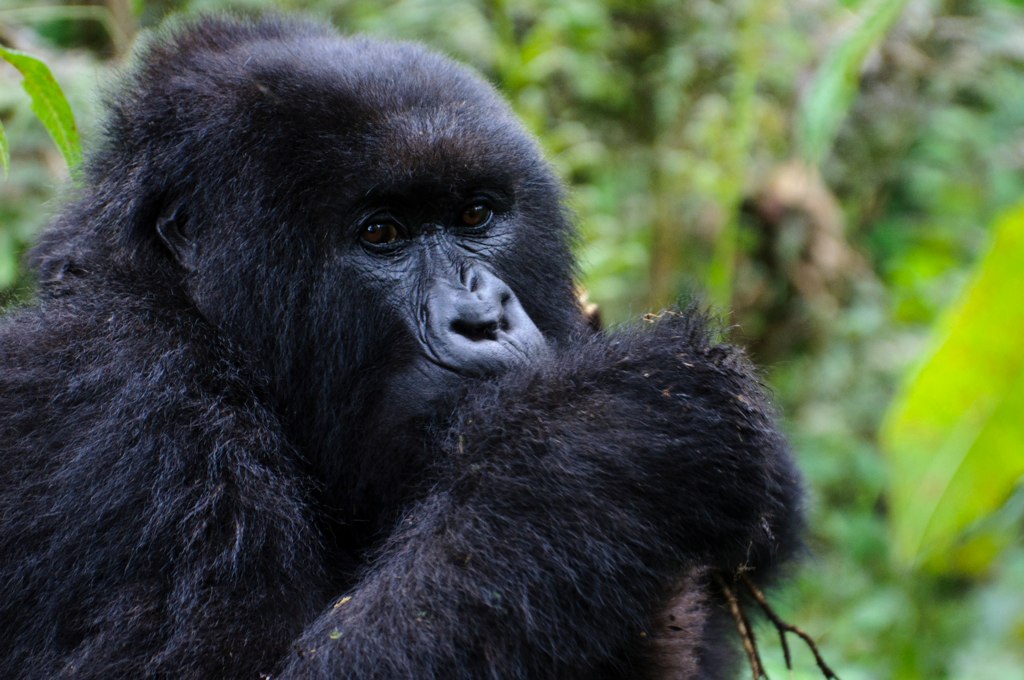
- Silverback males: The dominant patriarch, weighing up to 220 kg and standing nearly 2 meters tall when upright. Watch for chest beats — a resonant, staccato display of authority and self-advertisement, not necessarily aggression toward visitors. A silverback’s calm gaze directly into your eyes is among the most powerful moments in wildlife watching.
- Blackbacks: Younger sub-adult males who shadow the silverback, learning social leadership. Often the most curious and likely to approach visitors to investigate.
- Females with infants: Among the most touching wildlife sights on Earth — a mother gorilla cradling a tiny infant whose dark, liquid eyes peer out from her chest with unmistakable sentience and vulnerability.
- Juveniles: The entertainers of the family — wrestling, tumbling, swinging from branches, and occasionally venturing within arm’s reach of visitors before being called back by the adults.
- Feeding behavior: Gorillas devote most of their morning hours to systematic feeding. Bamboo shoots, wild celery, thistles, Galium vines, and seasonal fruit are consumed with remarkable dexterity — watch them strip leaves methodically and construct large food boluses.
- Nesting behavior: If encountered in mid-morning, you may observe gorillas constructing fresh day nests — compacting foliage into comfortable platforms for resting between feeding bouts.
Optional Afternoon: The Dian Fossey Trail & Karisoke Research Centre
For those with energy remaining after the morning’s trek, the afternoon presents one of the most historically significant hikes in Africa: the ascent to the Karisoke Research Centre established by the legendary American primatologist Dian Fossey in 1967, and the poignant gorilla graveyard where she is buried alongside the gorillas she devoted — and ultimately sacrificed — her life to protect.
The round trip takes 3 to 4 hours on moderately challenging but deeply rewarding terrain, ascending through the same forest habitat you visited in the morning. At Karisoke, you stand at the hallowed ground where Fossey lived for nearly 20 years in conditions of extraordinary hardship and isolation, conducting the meticulous behavioral research that first revealed the complexity and individuality of mountain gorilla social life. Her grave — marked by a simple headstone between the graves of gorillas she named and loved, including the iconic Digit, murdered by poachers in 1978 — is a profoundly moving and humbling pilgrimage for any wildlife lover or conservation advocate.
| DIAN FOSSEY HIKE: Practical Details |
| Duration: 3-4 hours round trip from the designated trailhead |
| Difficulty: Moderate — steep and slippery in sections; wet forest floor throughout |
| Additional Permit Required: Approximately USD 75-100 (bookable through your tour operator or RDB) |
| Equipment: Same boots and waterproof gear as your gorilla trek — no additional equipment needed |
| Habitat: Dense Hagenia-Hypericum forest and transitional bamboo zones above 2,800 m |
| Highly Recommended: Read or watch ‘Gorillas in the Mist’ before your visit — it profoundly transforms the emotional resonance of standing at Karisoke |
DAY 3: Golden Monkey Tracking & Farewell to the Virungas
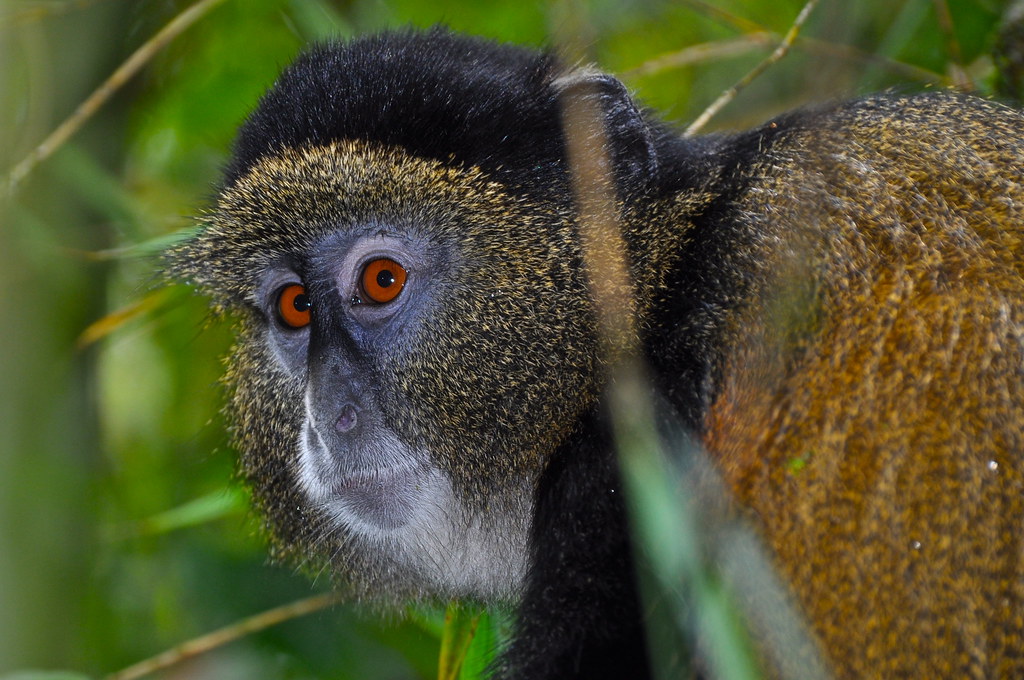
Your third and final day shifts from the forest giants to the bamboo canopy’s most charismatic acrobats: the golden monkeys. Though less internationally famous than their gorilla neighbors, the golden monkey (Cercopithecus kandti) is a creature of extraordinary beauty and vitality — an endemic primate found only in the bamboo forests of the Virunga volcanoes and the adjacent Mgahinga Gorilla National Park in Uganda. Fast, brilliantly colored, and wonderfully energetic, they offer a completely different yet equally captivating wildlife encounter.
Day 3 Itinerary at a Glance
| Time | Activity & Description |
| 06:00 | Breakfast at lodge — a more relaxed start compared to the gorilla trek |
| 07:00-07:30 | Transfer to the golden monkey trailhead — a different park entry point from the gorilla sectors |
| 07:30-08:00 | Pre-trek briefing with specialized golden monkey ranger and tracking team |
| 08:00 | Begin trek into the lower bamboo forest zones — flatter, shorter approach than gorilla sectors |
| 08:00-10:00 | Two-hour golden monkey tracking session with the habituated troop |
| 10:30 | Return to park boundary; golden monkey trekking certificate presentation |
| 11:00-12:30 | Final lunch at lodge; settle bill, pack, and complete check-out formalities |
| 13:00 onward | Optional: Twin Lakes of Burera and Ruhondo scenic detour en route to Kigali |
| 13:00-16:30 | Return road transfer to Kigali (approximately 3 hours) |
| 17:00 onward | Kigali: Genocide Memorial visit, Caplaki Craft Market, fine dining, or onward international flight |
The Golden Monkey: Africa’s Most Dazzling Primate
Species Profile
The golden monkey (Cercopithecus kandti) is a strikingly beautiful Old World monkey characterized by its brilliant golden-orange back and flanks, contrasting jet-black crown, limbs, and tail tip, and vivid blue facial skin around the eyes. Adults weigh between 3 and 5 kg and live in large, highly social troops that can number up to 80 individuals in the wild, although the habituated tracking groups encountered at Volcanoes National Park are typically smaller subgroups that have been conditioned to the presence of human observers over several years of dedicated ranger contact.
| Golden Monkey: Species Profile | Habitat & Behavioral Traits |
| Scientific Name: Cercopithecus kandti | Primary Habitat: Bamboo forest at 2,200-3,500 m altitude |
| Adult Weight: 3-5 kg | Activity Pattern: Highly diurnal; extremely active and fast-moving |
| Primary Diet: Bamboo shoots, fruit, insects, flowers | Social System: Multi-male, multi-female troops with complex hierarchies |
| Wild Group Size: 30-80 individuals | Vocalization: Rich repertoire of calls for group cohesion |
| Global Range: Virunga volcanoes and Rwenzori mountains only | Roosting: Sleep communally high in bamboo and Hagenia trees |
| Conservation Status: Endangered (IUCN Red List 2020) | Habituation Timeline: Approximately 2 years of daily ranger contact required |
The Tracking Experience: Into the Bamboo Cathedral
The golden monkey tracking experience is shorter and physically less demanding than the gorilla trek, typically taking place in the lower altitude bamboo forest zones accessed via trailheads near Bisoke volcano. The terrain is relatively flat compared to gorilla sectors, and the bamboo forest itself has an otherworldly, cathedral-like quality — towering green poles filtering the morning light into shifting patterns of gold and green that perfectly frame their brilliant inhabitants.
Once the habituated group is located — typically within 30 to 60 minutes of walking — the monkeys appear to be everywhere at once: leaping between bamboo poles with dazzling speed, stripping bamboo shoots with their specialized dentition, chasing each other through the undergrowth in acrobatic bursts, and landing mere meters away from observers with apparent indifference. Their speed and constant motion make photography both challenging and intensely exciting. A telephoto lens of 300mm or longer is ideal for capturing their golden backs against the green bamboo backdrop, though they frequently descend close enough for shorter focal lengths.
| PHOTOGRAPHY TIPS: Golden Monkey Tracking |
| Use a fast shutter speed — 1/500 second minimum; 1/1000 sec preferred for freezing motion |
| Set camera to burst or continuous shooting mode to maximize chances of a perfectly sharp frame |
| Dappled bamboo light is beautiful but technically challenging — use exposure compensation (+0.7 to +1.0 EV) |
| Pre-focus on a bamboo clearing and wait for monkeys to pass through — works better than tracking continuous movement |
| Stay light on your feet and be prepared to reposition frequently — the troop covers ground rapidly |
| Look up constantly — golden monkeys spend significant time 10-20 meters high in the bamboo canopy |
| The composition to seek: a golden-orange back against vertical green bamboo — maximize color contrast |
The Conservation Story: Why Your Visit Matters
Volcanoes National Park’s gorilla and golden monkey conservation success story is one of the most inspiring in modern wildlife management. When Dian Fossey began her research in 1967, mountain gorillas were in devastating freefall — habitat destruction, bushmeat poaching, and the illegal live capture trade for zoos had reduced the global population to just 254 individuals. Today, thanks to decades of tireless conservation work combining scientific research, armed anti-poaching patrols, community engagement, veterinary intervention, and international tourism revenue, the mountain gorilla population exceeds 1,000 individuals — the only great ape species whose wild population is measurably and consistently increasing.
- Revenue Sharing Program: 10% of all gorilla permit revenue is directly distributed to local communities living adjacent to the park, funding schools, health clinics, water infrastructure, and women’s cooperatives
- Anti-Poaching Operations: Dedicated ranger units of the Rwanda Development Board conduct daily patrols across the entire park perimeter and interior, removing snares and monitoring for unauthorized activity
- Gorilla Doctors: An international veterinary program providing medical monitoring and clinical intervention for habituated gorilla groups — treating wounds, respiratory infections, and wire snare injuries
- Karisoke Research Centre: The Dian Fossey Gorilla Fund’s ongoing research station continues decades of behavioral, genetic, and ecological research that underpins all conservation management decisions
- Community Conservation Programs: Employment of local guides, trackers, porters, and lodge staff provides direct economic benefit to communities that might otherwise view the forest as a resource to exploit
- Greater Virunga Landscape: A transboundary conservation collaborative spanning Rwanda, DRC, and Uganda, managing the entire Virunga ecosystem as a coherent conservation unit
Kigali Highlights for Your Return Afternoon
The return drive to Kigali presents an excellent opportunity to include a detour via the spectacular Twin Lakes of Burera and Ruhondo — a pair of volcanic crater lakes north of Musanze whose mirror-calm surfaces reflect the surrounding hills in photographs of breathtaking quality. Alternatively, if time before your international flight permits, Kigali itself rewards serious exploration and delivers a fascinating portrait of modern, progressive Africa.
| Kigali Must-Sees | Additional City Highlights |
| Kigali Genocide Memorial — profoundly important; the most essential visit in Rwanda | Rwanda Art Museum (former presidential palace) — remarkable architecture and collections |
| Caplaki Craft Village — Rwanda’s finest artisanal crafts including agaseke baskets and jewelry | Inema Arts Centre — vibrant showcase of contemporary Rwandan visual art |
| Question Coffee — award-winning single-origin Rwandan specialty coffee roastery | Kigali Serena Hotel terrace sundowner — iconic city-wide panoramic views |
| Heaven Restaurant — widely considered the finest dining experience in Kigali | Kigali Convention Centre — architectural landmark worth photographing from outside |
What to Pack: The Complete Trekking Equipment List
Proper preparation is the decisive difference between a comfortable, unforgettable forest experience and an unnecessarily difficult one. The montane forest environment presents genuine challenges — wet, steep, muddy terrain and cold temperatures at altitude — and insufficient gear will detract significantly from what should be one of the great experiences of your life. The following recommendations reflect the collective experience of professional guides who have led thousands of treks at Volcanoes National Park.
Clothing & Footwear
| Essential Clothing | Additional Clothing Items |
| Waterproof hiking boots with ankle support (must be broken in before your trip) | Lightweight fleece mid-layer — morning temperatures at altitude are genuinely cold |
| Leather or gardening gloves — essential protection against stinging nettles throughout the forest | Additional long-sleeved shirt as underlayer |
| Long waterproof or quick-dry trekking trousers | Buff or neck gaiter — protection against cold, insects, and bamboo dust |
| Long-sleeved moisture-wicking base layer shirt | Full change of clothes for returning to lodge post-trek |
| Waterproof rain jacket or shell (non-negotiable — rain can occur at any time) | Comfortable walking shoes or sandals for lodge use and dinner |
| Thick hiking socks — bring at least two pairs | Optional: Gaiters — excellent for keeping mud out of boots on steep sections |
| Wide-brimmed hat or sun cap | Bandana or light scarf — multiple uses on the trail |
Equipment & Accessories
- Daypack (25-30 liter capacity) — waterproof or fitted with a rain cover
- Water bottles or hydration bladder — minimum 2 liters; 3 liters recommended for longer treks
- Trekking poles — highly recommended for all fitness levels; crucial for steep descents on wet terrain
- Headlamp with spare batteries — essential for 5 AM lodge departures and potential longer treks
- Personal first aid kit: blister plasters, ibuprofen, antihistamines, bandages, antiseptic wipes
- Insect repellent — DEET-based formulation; apply before entering the forest
- High-SPF sunscreen (SPF 50+) — UV intensity is extreme at altitude even under overcast skies
- High-energy snacks: protein bars, mixed nuts, dried fruit, dark chocolate — essential for longer treks
- Packed lunch (arranged by lodge for gorilla trek day; confirm evening before)
- Camera with telephoto lens — 200-400mm recommended for gorillas; 300-500mm for golden monkeys
- Minimum 3 fully charged camera batteries and 3 formatted memory cards — pack all spares
- Small dry bag or waterproof pouch for camera and electronics — the forest is genuinely wet
- Binoculars 8×42 or 10×42 — the forest birding along trek routes is world-class
Health, Medical Preparation & Fitness
| HEALTH PREPARATION: Everything You Need to Know |
| Antimalarial medication: Consult your doctor — Volcanoes NP at altitude is low risk but Kigali and low-elevation areas carry risk |
| Required vaccinations: Yellow Fever certificate is required for Rwanda entry; also recommended: Typhoid, Hepatitis A and B, Tetanus |
| Optional vaccinations: Rabies (recommended for extended stays or wildlife-heavy itineraries), Meningitis |
| Respiratory illness policy: ANYONE with cold, flu, fever, or respiratory symptoms is absolutely prohibited from trekking — gorilla susceptibility to human respiratory disease is not negotiable |
| Altitude acclimatization: Allow Day 1 for genuine acclimatization; avoid alcohol on arrival night; hydrate aggressively |
| Physical fitness preparation: Begin cardiovascular training 6-8 weeks before departure — the trek involves steep climbs of 2-6 hours |
| Hydration: Drink 2-3 liters of water daily throughout your Rwanda stay; altitude accelerates dehydration |
| Travel insurance: Ensure your policy explicitly covers medical evacuation by helicopter and adventure/wildlife activities |
| Altitude sickness: Mild headaches and shortness of breath are normal; descend and rest if symptoms worsen significantly |
Where to Stay: Lodges & Accommodation Options
Accommodation options near Volcanoes National Park range from transformative ultra-luxury eco-lodges perched on the volcanic slopes to comfortable mid-range properties and budget guesthouses in Musanze town. Staying within 30 minutes of Kinigi park headquarters is strongly recommended to minimize early morning travel time before trek briefings begin, and to maximize lodge time after a demanding day in the forest.
Luxury & Premium Properties
- Bisate Lodge (Wilderness Safaris) — Rwanda’s most acclaimed luxury eco-lodge, set within a volcanic crater. An extraordinary forest restoration program has replanted thousands of indigenous trees around the lodge grounds, and the architecture is breathtakingly dramatic. Conservation-embedded hospitality at its finest.
- Singita Kwitonda Lodge — ultra-luxury property with 10 private suites, all-day dining, spa, private forest trails, and direct partnership with gorilla conservation funds. The gold standard of Virunga luxury.
- One and Only Gorilla’s Nest — flagship luxury property with expansive landscaped grounds, world-class fine dining, a comprehensive wellness facility, and exceptional access to the Congo Nile Trail for hiking.
- Governors’ Camp Sabyinyo Silverback Lodge — classic East African safari style in a beautifully understated format; extremely well-positioned for early trek starts with less travel time to headquarters.
Mid-Range & Comfortable Options
- Muhabura Hotel Musanze — a reliable, comfortable central Musanze property with consistent service and solid food; popular with safari professionals and return visitors to the area.
- La Palme Hotel Musanze — well-reviewed by conservation researchers and returning travelers; practical amenities with genuine character.
- Gorillas Volcanoes Hotel — practical option with excellent proximity to park headquarters; straightforward and dependable.
- Mountain Gorilla View Lodge — honest mid-range property with genuine volcano views from the terrace; good value relative to its location.
| LODGE BOOKING TIPS |
| Book lodge accommodation at the same time as your permits — premium properties fill 6-9 months in advance |
| Always ask about all-inclusive packages — most lodges bundle meals, guided walks, and park transfers |
| Choose lodges with documented conservation credentials and community employment programs |
| Proximity to Kinigi Headquarters saves critical time on early morning trek days |
| Confirm generator and power backup arrangements — camera charging overnight is non-negotiable |
| Request packed lunch arrangements for trek days — most lodges provide these as a standard inclusion |
| Ask about single supplement fees if traveling solo — they vary significantly between properties |
Best Time to Visit: Seasons, Weather & Conditions
Rwanda’s equatorial location means Volcanoes National Park can be productively visited in every month of the year — mountain gorillas and golden monkeys are present year-round and are tracked in all weather conditions. However, the season significantly affects trekking difficulty, trail conditions, photographic quality, permit availability, and the overall comfort and duration of your time in the forest.
| Recommended Visiting Seasons | Other Seasons & Conditions |
| June to September — Peak Dry Season | March to May — Long Rainy Season |
| Optimal overall trekking conditions | Heavy rainfall most afternoons throughout |
| Firmer, less muddy trail surfaces throughout | Trails very muddy, slippery, and physically demanding |
| Clearer skies for photography; better light | Forest is breathtakingly lush and intensely green |
| Highest permit demand — book 12 months ahead | Fewer tourists; greater sense of solitude in the forest |
| Most competitive season for luxury lodge availability | Permits more readily available; easier last-minute booking |
| December to February — Short Dry Season | October to November — Short Rainy Season |
| Excellent secondary season with good conditions | Moderate and variable rainfall throughout |
| Significantly less crowded than peak season | Forest at its most photogenic and dramatically verdant |
| Good photographic light; forest often misty and atmospheric | Good gorilla activity and behavioral observation |
| Better permit and lodge availability than June-September | Budget-friendly option with good availability |
| TEMPERATURE & CLIMATE CONDITIONS AT THE PARK |
| Daytime temperatures: 15-20 degrees Celsius at park boundary; significantly colder at higher altitude sectors |
| Night temperatures: 8-12 degrees Celsius — always bring a warm fleece layer to the lodge |
| Rain: Can occur in any month, including dry season afternoons — always pack a waterproof jacket without exception |
| Morning mist: Common and often spectacular — the forest has an ethereal, otherworldly quality even on grey days |
| UV radiation: Extremely intense at altitude — high-SPF sunscreen is essential even under total cloud cover |
| Altitude effects: Mild headaches and breathlessness are normal on the first day — allow genuine acclimatization time |
Practical Information & Budget Overview
Estimated Budget: 3-Day Trip Per Person
| Permits & Activity Costs (per person) | Accommodation & Logistics (per person) |
| Gorilla trekking permit: USD 1,500 | Luxury lodge, 3 nights all-inclusive: USD 1,500-5,000+ |
| Golden monkey tracking permit: USD 100 | Mid-range lodge, 3 nights with meals: USD 300-800 |
| Dian Fossey hike permit (optional): USD 75-100 | Kigali hotel, 1 night: USD 80-350 |
| Porter hire (gorilla trek day): USD 15-20 | Airport return road transfers: USD 100-250 |
| Ranger and guide tips (3 days): USD 60-120 | Travel insurance (comprehensive): USD 80-200 |
| Cultural village visit (Iby’Iwacu): USD 30-40 | Visas and entry fees: USD 0-50 (e-Visa) |
| Kigali city activities and meals: USD 50-150 | Souvenirs and craft market: budget as preferred |
Essential Rwanda Travel Information
- Visa Requirements: Rwanda offers visa-on-arrival for most nationalities; e-Visa available online at migration.gov.rw and strongly recommended — apply at least 2 weeks before travel
- Currency: Rwandan Franc (RWF); US Dollars are widely accepted at lodges and major businesses. ATMs available in Musanze and throughout Kigali. Major credit cards accepted at lodges.
- Mobile Connectivity: MTN Rwanda and Airtel Rwanda provide reliable coverage. International roaming is available; a local SIM card purchased at Kigali airport is inexpensive and highly recommended.
- Safety & Security: Rwanda is consistently ranked as one of Africa’s safest countries for international visitors. Violent crime against tourists is extremely rare. The country is known for its exceptional organization, cleanliness, and civic order.
- Health Infrastructure: Pharmacies are available in Musanze town and throughout Kigali. King Faisal Hospital in Kigali provides international-standard medical care. Carry your Yellow Fever vaccination certificate at all times — it may be requested at entry.
- Language: Kinyarwanda (national language), English (official business and tourism language), French (widely spoken by older generations), and Swahili (common in cross-border trade contexts).
- Time Zone: East Africa Time (EAT) — UTC+2; no daylight saving time adjustment.
- Electricity: Type J (Swiss) and Type C (European) plugs; 230V/50Hz standard. Bring a universal travel adapter.
- Tipping Culture: Not obligatory but warmly appreciated and economically important. Rangers, guides, porters, drivers, and lodge staff all benefit meaningfully from gratuities — budget USD 10-20 per service provider per day as a guide.
- Plastic Bags: Rwanda prohibits the import of non-biodegradable plastic bags — pack reusable bags and leave plastic packaging behind in Kigali before proceeding to Musanze.
Responsible Wildlife Tourism: The Essential Code of Conduct
| LEAVE NO TRACE: Code of Conduct in Volcanoes National Park |
| Health above all: Never trek if you have cold, flu, fever, or any respiratory symptoms — gorilla disease susceptibility is the primary reason for this absolute rule |
| Seven-meter rule: Maintain at least 7 meters from all primates at all times — rangers enforce this strictly and with good reason |
| Zero littering: Pack out absolutely everything you carry into the forest, including organic waste like fruit peels |
| No flash photography: Camera flash disorients and distresses primates and disrupts natural behavior patterns |
| Stay on ranger-designated trails: Trampling sensitive forest vegetation has cumulative ecological impacts |
| Silence is respect: Speak only in whispers; silence phones and cameras; let the forest sounds surround you |
| Never feed wildlife: Human food causes dangerous behavioral conditioning and disease transmission risk |
| Support local economy: Hire local porters, purchase from community craft markets, eat at Rwandan-owned establishments |
| Invest in understanding: Read about mountain gorilla conservation before visiting — an informed visitor advocates for what they have seen |
Conclusion: An Experience That Changes Everything
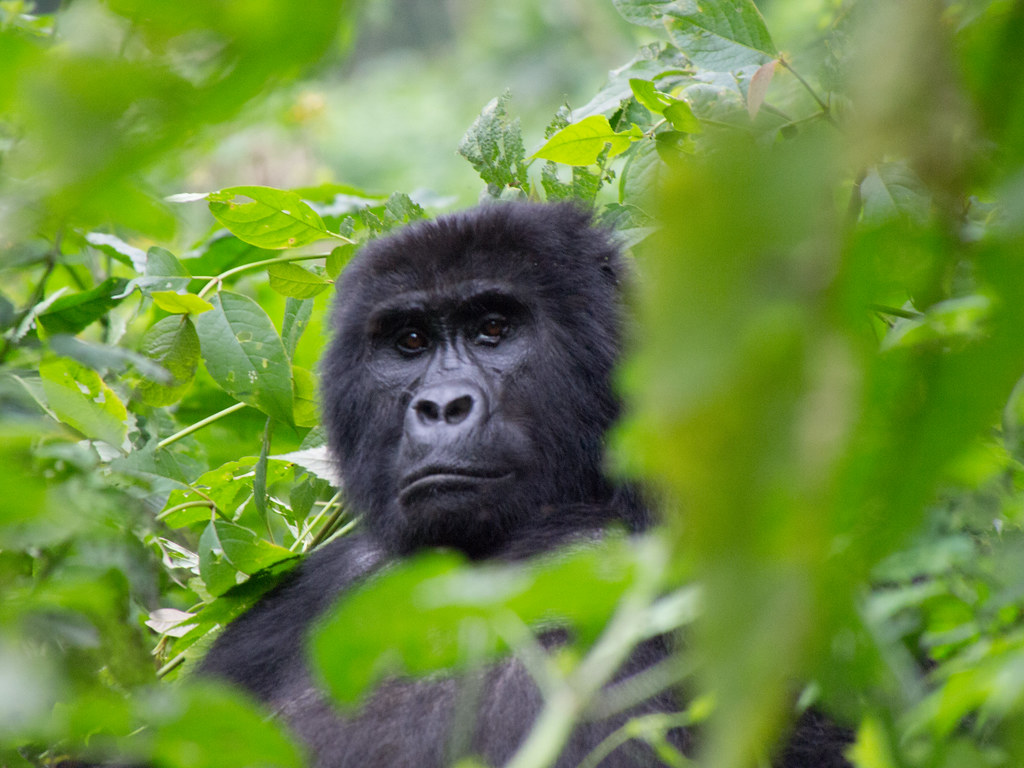
There is a moment — and every person who has trekked with mountain gorillas in the Virungas will tell you about it — when a gorilla looks directly into your eyes. Not through you, not past you, but at you, with a gaze of startling depth and intelligence. In that instant, the taxonomic distance between Homo sapiens and Gorilla beringei beringei collapses entirely. You are not observing an animal. You are being recognized by a relative — one who shares 98.3% of your genetic code, who grieves its dead, who plays and laughs and disciplines its children, who has an individual name and a traceable family history.
In those sixty minutes with the gorillas, and in the chaotic golden blur of the golden monkey tracking session that follows the next morning, you carry the full weight of what it means to share this ancient, impossibly beautiful planet with creatures of such extraordinary complexity. Creatures who exist today — who are, against all odds, increasing in number — because dedicated scientists refused to abandon them, because rangers risked their lives to protect them, and because travelers like you continue to make that protection economically rational through the transformative power of responsible wildlife tourism.
Volcanoes National Park is not merely a travel destination. It is a living testament to what conservation, community partnership, political will, and collective human courage can achieve when they converge around a species worth saving. Go, witness, be humbled and be changed — and return home a voice for the wild places and wild things that depend on people like you to remember they exist.