 info@gorillatrekkinginafrica.com
 +256 787505601
Exclusive 1 day Maasai Mara National Reserve safari
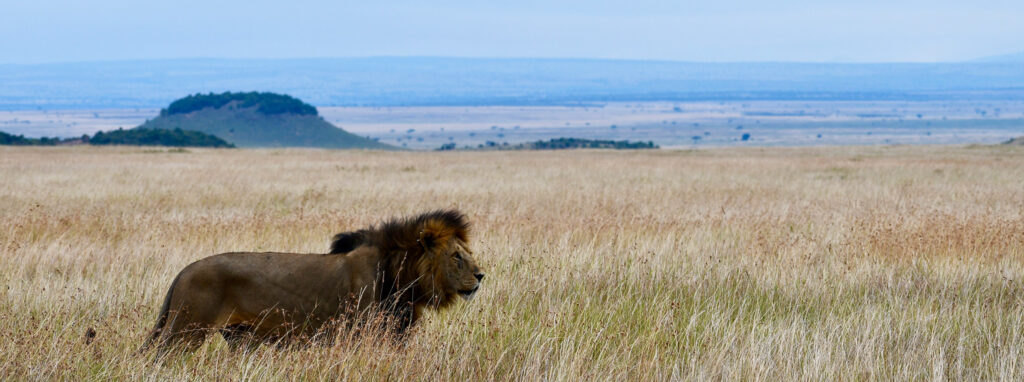
1 day Maasai Mara National Reserve safari, Are you a time-constrained traveler? This 1day Maasai Mara National Reserve safari offers the opportunity to explore the enchanting Maasai Mara National Reserve and view various game animals for an unforgettable experience in Kenya. This safari adventure offers 6 hours in the Maasai Mara National Reserve, commencing with a game drive from Nairobi city. Upon collection in Nairobi, your guide will escort you to the park. Your game drive will commence at the Sekenani Gate of the Maasai Mara National Reserve. During the safari experience, you will observe various attractions, including the Big Five animals in Kenya and numerous other wildlife species such as lions, leopards, elephants, buffaloes, rhinos, wildebeests, zebras, antelopes, oribis, gazelles, and crocodiles, among many others. The game drive provides the opportunity to observe several bird species, including vultures, ostriches, eagles, owls, and bustards. Following the safari experience, partake in lunch at a designated picnic area before returning to Nairobi city.
End of your 1 Day Maasai Mara National Reserve Safari
Price Includes:
- Private Transportation in a safari vehicle
- Park entrance fees and activities
- Breakfast and Lunch
- Drinking water in the safari vehicle
- Government taxes
Price Excludes:
- Flights
- Extra activities not listed in the itinerary
- Personal expenses like beverages, internet, cigarettes, etc.
- Extra activities
- Tips and souvenirs
When is the Best time to visit Masai Mara
The best time to visit Masai Mara National Reserve is a frequently posed inquiry by passionate visitors and wildlife aficionados organizing an outstanding safari in Kenya. The Masai Mara National Reserve is globally recognized as one of Africa’s foremost wildlife safari locations, providing an exceptional safari experience characterized by abundant species, stunning landscapes, and dynamic cultural interactions. We welcomes you to discover this extraordinary reserve, where the natural patterns of wildlife migrations and the dynamic Masai culture converge to offer a unique adventure.
Kenya safaris continue to be a premier option for those desiring to engage with Africa’s wildlife marvels. The Masai Mara National Reserve, covering 1,510 square kilometers, is situated in southwestern Kenya and adjoins Tanzania’s renowned Serengeti National Park. This link constitutes a segment of the extensive Serengeti-Masai Mara ecosystem, one of the most significant and diversified wildlife areas on the continent. Understanding the optimal time to visit the Masai Mara is crucial for maximizing your experience, whether you are organizing a wildlife safari centered on the Big Five, the Great Wildebeest Migration, or incorporating gorilla trekking safaris in Uganda or Rwanda.
This article, authored by Gorilla Trekking in Africa, will elucidate the optimal seasons, notable wildlife, and cultural experiences during your visit to the Masai Mara National Reserve, while also addressing the potential to integrate your safari with gorilla trekking expeditions in Uganda and Rwanda for a thoroughly immersive East African adventure.
The Best Time to Visit Masai Mara National Reserve mostly depends on your safari interests and the animal events you intend to experience. The reserve provides outstanding wildlife observation year-round, however certain months are particularly notable owing to the seasonal migrations and behaviors of the animals.
Best time to visit Maasai Mara
The interval from July to October is widely acknowledged as the optimal moment to visit Masai Mara, coinciding with the apex of the Great Wildebeest Migration. In these months, more than a million wildebeests, along with hundreds of thousands of zebras and gazelles, migrate from Tanzania’s Serengeti across the Mara River into the Masai Mara in pursuit of fresh grazing areas. This remarkable natural phenomenon draws both herbivores and predators, including as lions, crocodiles, and cheetahs, resulting in intense and exhilarating predator-prey dynamics. During this period, visitors experience some of the most memorable and breathtaking scenes in the African environment.
Outside the migration period, from January to March, the Masai Mara undergoes a brief dry season, providing exceptional opportunities for wildlife observation as animals gather around water sources. This period is especially good for observing indigenous species, including elephants, giraffes, buffaloes, and the Big Five. The verdant foliage after the rains offers picturesque vistas and superb photographic prospects.
The extended rainy season often spans from April to June, and although this period is regarded as the off-peak season for tourism, the reserve’s allure is amplified by lush vegetation and reduced visitor numbers. Certain lodges and camps may provide reduced rates during this tranquil period, rendering it attractive for guests desiring a more personal safari experience.
We advise first-time tourists to observe the migration between July and October, while suggesting that repeat visitors or those interested in gorilla trekking and primate tours in Uganda and Rwanda explore alternative months for a more tranquil, wildlife-centric experience.