 info@gorillatrekkinginafrica.com
 +256 787505601
1 Day Tarangire National Park tour
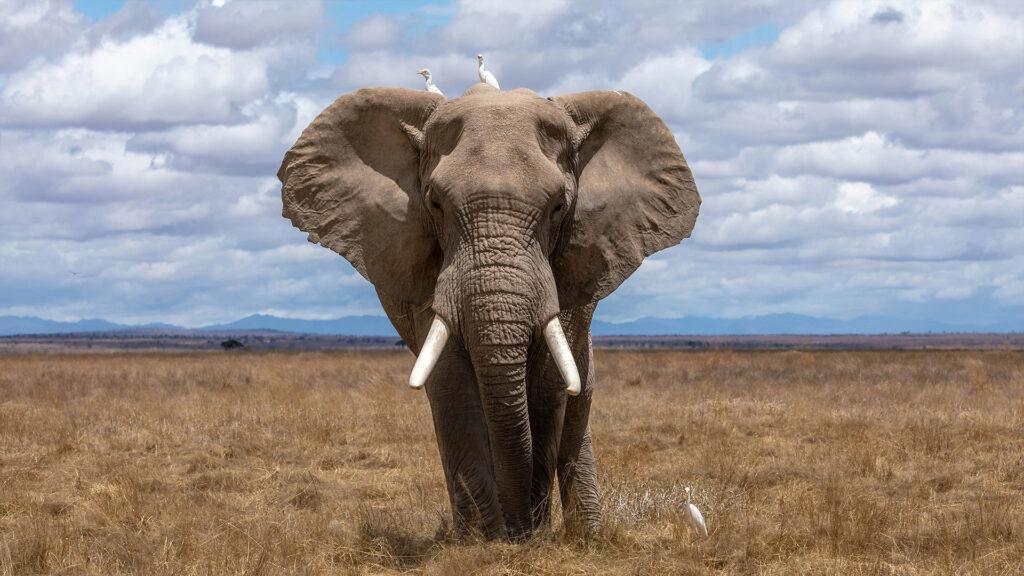
This 1 Day Tarangire National Park tour is distinguished by its substantial elephant herds and diverse array of predators, including lions, cheetahs, and leopards. This is the second ideal alternative, in addition to the Ngorongoro day tour, for a day safari from Arusha.
Full Itinerary
Day 1: Pickup and transfer to Tarangire National Park
On this day excursion, you will be collected early in the morning from your hotel in Arusha or Kilimanjaro International Airport or Arusha Airport by our knowledgeable Tanzania Safari guide. Your drive to Tarangire National Park will commence on a well-paved road traversing the gently undulating Maasai grasslands adorned with scattered acacia trees. Traverse numerous Maasai towns, observing the Maasai in their vibrant attire as they walk down the roadside, ride bicycles, herd cattle, and operate donkey carts.
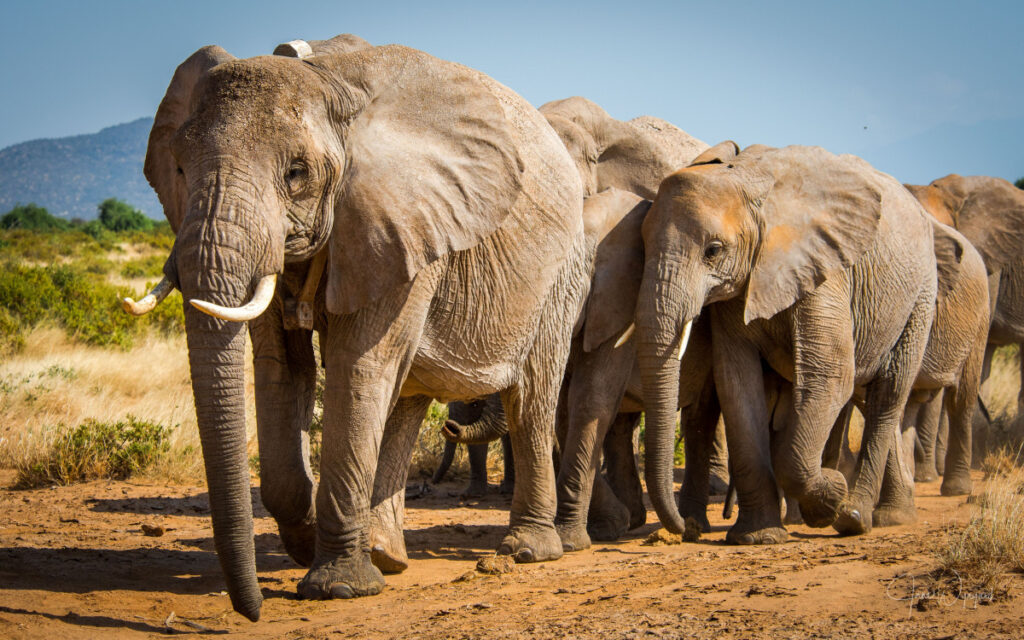
The park is renowned for its highest density of elephant herds and is also home to a variety of other species. From your open-roof safari jeep, you will witness the seasonal marshes, savannah, and the life-sustaining Tarangire River, encountering a myriad of wildlife, including zebra, wildebeest, buffalo, elephant, and giraffe, among others.
Following an extraordinary game drive, return to your destination for drop-off at your hotel or the airport.
End of the 1 Day Tarangire National Park tour
Tour includes;
- Park entrance fees
- All activities
- A professional driver /guide
- All transportation
- All Taxes /VAT
- Meals
- Drinks
Tour Excludes;
- International flight
- Roundtrip airport transfer
- Additional accommodation before and at the end of the tour
- Tips
- Personnel items; souvenirs travel insurance, visa fees
- Government imposed Taxes.
Best time to visit Tarangire National Park
For those who aspire to witness the untamed splendor of Tanzania’s varied terrains and the magnificent fauna inhabiting them, Tarangire National Park must be prioritized. Renowned for its magnificent elephants, diverse avian species, and breathtaking savannah landscapes, Tarangire provides an exceptional safari experience. Nonetheless, akin to all significant endeavors, timing is crucial. Visiting this remarkable park at the optimal time might elevate your experience, rendering it more unforgettable. What is the best time to visit Tarangire?
The Allure of Tarangire National Park
Located in northern Tanzania, Tarangire is among the nation’s most exquisite parks. Covering more than 2,850 square kilometers, it serves as a sanctuary for wildlife aficionados and photographers. The park is renowned for its substantial elephant herds, but it also accommodates a remarkable variety of species, including lions, giraffes, zebras, and more than 500 avian species. Tarangire is frequently seen as an undervalued treasure in comparison to its more renowned counterparts, like as the Serengeti or Ngorongoro Crater, rendering it an ideal locale for anyone seeking a more isolated and genuine safari experience.
However, akin to any safari, the optimal time for visitation may fluctuate according on your specific interests and activities. For those pursuing the excitement of wildlife observation, photographing stunning vistas, or fully engaging with nature, there are particular seasons when Tarangire unveils its most remarkable displays.
The Dry Season: June to October — An Ideal Safari Period
The dry season is clearly one of the most favored periods to visit Tarangire. From June to October, the park has optimal weather characterized by bright skies, moderate humidity, and minimal precipitation. In these months, the landscape metamorphoses into a golden savannah, and wildlife becomes more discernible owing to the sparse vegetation and the aggregation of animals near the dwindling water sources.
Elephants congregate along the Tarangire River in Tarangire, rendering this an optimal period to observe substantial herds as they bathe and hydrate. The arid season provides exceptional chances for observing predators, since lions and cheetahs are attracted to regions with plentiful prey. Game drives are generally more effective as animals are less scattered, facilitating their discovery and the observation of their normal behaviors.
The dry season is an exhilarating period for avian observation lovers. Despite a decline in migratory bird populations, numerous species persist, providing abundant chances for birdwatching. The dry months provide optimal viewing opportunities for the yearly wildebeest migration and the renowned predator-prey interactions.
The Green Season: November to April – An Undiscovered Gem
The dry season draws numerous people, whereas the green season (November to April) offers a distinctly different experience in Tarangire. This is the rainy season, and although one might anticipate diminished wildlife activity, this period is, in fact, rather unique in its own regard. The verdant landscapes that flourish post-rain are a spectacle, converting the park into a stunning mosaic of green.
The green season is the optimal period to observe the park in its full splendor, as the profusion of fresh foliage presents a striking contrast to the vivid blue skies. Migratory birds congregate in Tarangire during these months, providing birdwatchers a unique opportunity to observe species that are generally absent in the dry season. With a diminished number of people, you will frequently have the park to yourself, fostering a profound connection with nature.
Individuals seeking to explore the park’s less commercialized aspects will find the green season provides a more tranquil and serene environment. Wildlife persists, and although the denser foliage may complicate animal observation, the park’s aesthetic allure is evident in other aspects. The rains rejuvenate the land, as numerous animal species reproduce during this period, imparting a sense of regeneration to your safari.
Best Time for Elephants: June to October
If elephants are the main motivation for your visit, the dry season is undoubtedly the optimal period. Tarangire is renowned for its substantial elephant populations, which gather in significant numbers near the Tarangire River during the dry season. The river serves as the vital essence of the park, attracting animals from all directions to drink, bathe, and interact.
Observing these magnificent elephants drinking and engaging with one another evokes a profound appreciation for the grandeur and beauty of the scene. The intimate moments of observing a mother and her calf or a herd dusting itself with earth after a rejuvenating bath are what render Tarangire exceptional.
Best Time for Birdwatching: November to April
The green season presents an extraordinary variety of avian species for enthusiastic birdwatchers. With the onset of rains, the park undergoes a transformation, attracting migratory birds and providing an optimal opportunity to observe species usually absent in the dry season. From November to April, Tarangire teems with diverse species such the Yellow-collared Lovebird, Black-bellied Bustard, and European Bee-eater.
These months signify the commencement of the mating season for numerous avian species, with congregations assembling in the woods and wetlands around the park. The verdant landscape, coupled with a multitude of avian species, is a remarkable display for enthusiasts of birding. You will be captivated by the vibrant array of activity surrounding you.
Wildlife Calving Period: November to December
The optimal period to observe juvenile wildlife in Tarangire is during the calving season, generally occurring in November and December. Numerous species, such as wildebeest, gazelles, and zebras, give birth during these months, resulting in a vibrant tableau of neonates undertaking their initial steps in the wild.
This era also signifies the emergence of predators, as lions and cheetahs exploit the plentiful supply of newborn prey. The interplay between predators and their juvenile prey can be an exhilarating spectacle; yet, it is crucial to approach these instances with reverence for the natural cycles of life and death in the wilderness.
Best Time for Photography: The Arid Season
The dry season provides photographers with the most vivid light and contrasts for safari photography. The amalgamation of golden grasslands, vibrant blue skies, and fauna gathering around waterholes establishes ideal circumstances for encapsulating the essence of Tarangire. The gentle, warm illumination at dawn and dusk is ideal for animal photography, offering vibrant, natural hues that enhance your photographs.
The dry season’s clear skies provide the benefit of unobstructed views, enabling the shooting of broad landscapes and detailed wildlife photographs without the cloud or mist that may impair visibility during the wet season.
Factors to Contemplate for Your Visit
The optimal time to visit Tarangire varies based on individual preferences, although it is essential to take into account certain practical considerations while organizing your trip. When going in the dry season, anticipate elevated pricing and increased park congestion, particularly during peak months (July to September). In contrast, traveling during the green season may result in reduced expenses; however, one should remain cautious of possible rainfall and erratic road conditions.
Furthermore, it is important to reserve your lodging and excursions well ahead of time during the peak season to guarantee optimal locations and confirm availability.
Conclusion: Embrace the Diversity of Tarangire
The optimal time to visit Tarangire is contingent upon your desired experiences. Tarangire provides diverse experiences year-round, catering to those desiring the excitement of predator-prey interactions, the tranquility of isolated scenery, or the pleasure of observing elephants in their natural environment. The park’s abundant wildlife, breathtaking vistas, and remarkable safari experiences will undoubtedly create lasting memories. Therefore, allocate sufficient time, strategize your visit, and allow the enchantment of Tarangire to reveal itself to you.