 info@gorillatrekkinginafrica.com
 +256 787505601
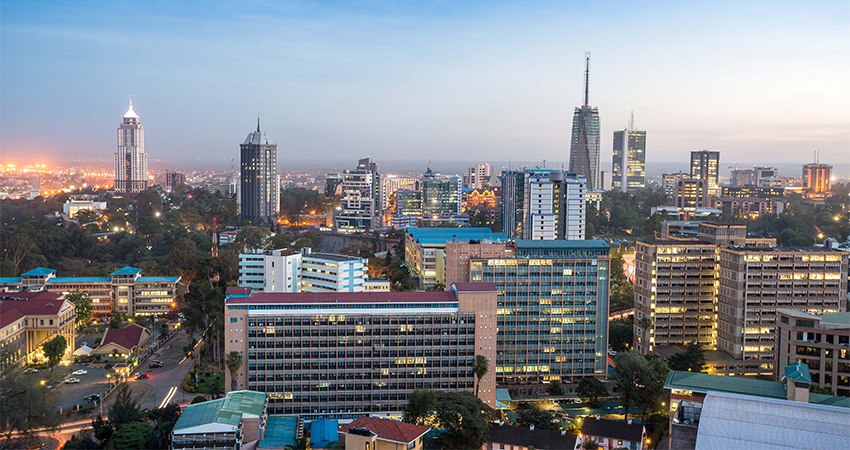
Perfect 1 Day Nairobi City Tour
The 1 Day Nairobi City Tour is an exceptional brief excursion that encompasses various city attractions, including the Reptile Museum, commonly known as Nairobi Snake Park, and the David Sheldrick Elephant Orphanage, a sanctuary for orphaned young elephants that are nourished with milk from bottles. The journey commences and concludes in Nairobi.
Day 1: Nairobi Urban Excursion
You will be collected by our Kenya safari consultant at your accommodation and subsequently transported to the Reptile Museum – Nairobi Snake Park, a distinguished sanctuary for endangered reptiles. You will have the opportunity to observe both venomous and non-venomous snakes, crocodiles, tortoises, turtles, and lizards, among other species.
Subsequently, after one hour at Nairobi Snake Park, proceed to David Sheldrick’s Elephant Orphanage. You will observe a remarkable display of many juvenile elephants as they forage and engage with one other. You will also acquire knowledge regarding the historical background of this location and its conservation initiatives. Additionally, engage in milk feeding utilizing the bottles.
After two hours at Shedrick Elephant Orphanage, proceed to the Giraffe Center, where you will have the opportunity to observe these animals up close, feed them, and capture great photographs—an enriching life experience.
Visit Carnivore Restaurant, an excellent establishment where you may savor a plethora of delectable meats grilled over a charcoal fire, served in generous portions until you are thoroughly satiated. Numerous experiences await here – as the meat attains its optimal temperature, waitstaff transport the complete skewers throughout the restaurant. Pause briefly for rest before proceeding to your final destination on the Nairobi City Tour.
The one-day Nairobi City Tour will conclude with a visit to either Bomas of Kenya or the Nairobi Gallery.
1 Day Nairobi City Tour, A visit to the Bomas of Kenya is characterized as an immersive cultural tour showcasing prominent ethnic groups like the Luo, Taita, Embu, Maasai, Kikuyu, Luhya, Kisii, and Kuria. You will truly appreciate the exquisite transactional dances of several ethnic tribes in Kenya. You may participate in their fashion show, poetry readings, music, and theatre, among other notable events.
Visit Carnivore Restaurant, an excellent establishment where you may savor a plethora of delectable meats grilled over a charcoal fire, served in generous portions until you are thoroughly satiated. Numerous experiences await here – as the meat attains its optimal temperature, waitstaff transport the complete skewers throughout the restaurant. Pause briefly for rest before proceeding to your final destination on the Nairobi City Tour.
The 1 day Nairobi City Tour will conclude with a visit to either Bomas of Kenya or the Nairobi Gallery.
A visit to the Bomas of Kenya is characterized as an immersive cultural tour showcasing prominent ethnic groups like the Luo, Taita, Embu, Maasai, Kikuyu, Luhya, Kisii, and Kuria. You will truly appreciate the exquisite transactional dances of several ethnic tribes in Kenya. You may participate in their fashion show, poetry readings, music, and theatre, among other notable events.
End of the 1 Day Nairobi City Tour
The tour package Includes;
- Transport
- Driver’s allowance
- Fuel
- Entrance
Exclusion:
- Driver guide tip
- Travel Insurance
- Meals
- Drinks
- Accommodation at an extra cost
Best time to visit Nairobi
The Best Time for Visiting Nairobi, Kenya: A Comprehensive Guide to Nairobi: The dry season, occurring from late June to October, is the optimal period for visiting Nairobi and observing animals. Nairobi’s elevation results in consistently pleasant temperatures throughout the year. The optimal period for tourists to observe the exquisite wildlife in the bush and the breathtaking beaches along Kenya’s eastern coast is during late summer and early autumn.
During this period, the Sheldrick Elephant Orphanage and Nairobi Snake Park are both prominent tourist destinations. This information will aid you in preparing for your trip to Nairobi, referred to as the “Green City in the Sun,” irrespective of your selected travel date.
CLIMATE IN NAIROBI
Nairobi is situated at an elevation of 5,400 feet, resulting in a predominantly warm environment. The average daily temperature fluctuates between 77 and 82 degrees Fahrenheit from December to March. Nairobi undergoes two separate rainy seasons. The first is an extended wet season from mid-March to May, while the second is a short wet season commencing in late October and continuing through December.
WIDELY ATTENDED OCCASIONS AND CELEBRATIONS
Nairobi has various annual cultural festivals and activities. Among these festivals are the Madaraka Day festival, occurring in the summer, and Kenyatta Day and Jamhuri Day, which are observed later in the winter. The Kenya Music event, the nation’s longest-running music event showcasing a diverse array of African acts, is situated in Nairobi.
The city accommodates a diverse array of religious gatherings and festivals, owing to the coexistence of Christians and Muslims. Muslims in the region are recognized for observing Ramadan and the festival of Eid al-Fitr. Numerous establishments are expected to remain closed throughout the day during Ramadan until local Muslims conclude their fast at sunset.
ATTRACTIONS FOR TOURISTS IN NAIROBI
Nairobi offers numerous attractions to enjoy throughout the year. The notable sites include the Karen Blixen Museum, the Nairobi National Museum, the Nairobi Giraffe Centre, and Nairobi National Park. Nairobi provides travelers with a diverse array of activities, including shopping, city tours, museums, and safaris.
Visitors should note that January, February, and the dry months from July to October are optimal for scheduling tourist activities in Nairobi. The optimal periods for safari excursions are during these intervals, while visiting the parks during the rainy season is inadvisable. Refrain against planning a trip between late October and December, as well as during the rainy season from March to May. Pack sufficient clothing, ideally in layers, to accommodate varying weather conditions.
January
Visitors should expect temperate, spring-like conditions in January, with daytime maxima averaging approximately 80 degrees Fahrenheit. Post-sunset, the temperature may decline to the mid-fifties in the evenings. Recommended activities: January, coinciding with the dry season, is an excellent opportunity for animal observation. Nairobi Restaurant Week commences at the end of January.
February
February is the most active month in Nairobi, Kenya. Temperatures remain in the 80s, with days often characterized by heat and aridity. Attend the International Safaricom Jazz Festival, conducted annually in February, showcasing both local artists and international performances.
March
Significant yearly rainfall commences in Nairobi and throughout Kenya in March. The current conditions are optimal for wildlife observations because to the abundance of still water available for animals; however, road conditions may be somewhat inconvenient. Recommended events: March is an opportune month for wildlife observation in wetlands and watering holes. The annual Kenya Kite Festival occurs in March.
April
April precipitation is prevalent during this season, and the intensity of the rainfall complicates transit for tourists. As a result, observing wildlife becomes increasingly difficult. Events to consider: Residents often organize informal festivities on Good Friday and Easter Sunday, both of which are designated public holidays. Numerous companies will close for the holidays.
May
Spring rainfall persists into May, yielding verdant foliage throughout the city. By late May, the rains ceased, and by the month’s conclusion, the horizon radiated with stunning vistas. The government organizes festivities in Uhuru Park for local Kenyans to commemorate Labor Day.
June
By June, precipitation had ceased, and the days were becoming increasingly luminous. By mid-June, millions of zebras and wildebeests commence their yearly migration. Examine these events: On June 1, the festival known as Madaraka Day commemorates Kenya’s independence. Madaraka is the Swahili term meaning “authority or ruling power.” The NBO Film Festival occurs annually in early to mid-June.
July
July is the optimal month for travel due to the pleasant temperatures, averaging in the high 70s Fahrenheit. Throughout this bustling tourist season, travelers can select from an array of safari activities. Nairobi receives the minimal precipitation in July. Attend the Kenya Safari Rally Motorsports competition, held yearly in Nairobi each July.
August
August is the peak travel season for Nairobi. Despite the average temperature being in the mid-seventies Fahrenheit, it is advisable to secure your accommodations in advance due to limited availability and perhaps elevated prices. Attend the Kenya Music Festival, usually held in August for a duration of ten days in Nairobi, showcasing a diverse array of African artists from throughout the continent.
September
Nairobi endures another arid and temperate month in September, rendering it an excellent period for visiting the bustling metropolis. High temperatures often range in the lower 70s. Examine these events: Commencing in late September, the Agricultural Society of Kenya will organize the Nairobi International Trade Fair.
October
A brief stretch of rain will commence in late October. Nonetheless, it remains an opportune time to visit, since it marks the commencement of the migrating bird and wildebeest seasons for those interested in safari drives. Attend the Tusker Safari Sevens, an international rugby competition hosted in Nairobi. The annual competition gathers elite rugby players.
November
November experiences more frequent brief rain showers, with an average precipitation of 2 inches for the month. The brief rains, however, are optimal for observers of wildlife as they minimally disrupt viewing conditions.
Events to consider: In Lamu, outside of Nairobi, Muslims commemorate the birth of Prophet Mohammed with the official Maulidi Festival. Tourists might anticipate observing residents convening in smaller assemblies throughout Nairobi’s city center, as well as in parks and other public venues.
December
Nairobi exhibits its greatest beauty and affordability in December, as it is not the main travel season. The city predominantly features verdant landscapes, offering remarkably scenic vistas. Attend the annual Pawa Festival, a street event showcasing diverse performance and visual artists. The Jamhuri Day festival, which celebrates Kenya’s transition to a republic, is an annual event held in December.
What is the best period to visit Nairobi?
Nairobi is optimally visited from June to October, during which the climate is temperate and precipitation is less probable due to the dry season.
What is the hottest month in Nairobi?
February is the warmest month in Nairobi, with an average high temperature of 81 degrees Fahrenheit (27 degrees Celsius) and an average low temperature of 60 degrees Fahrenheit (16 degrees Celsius).
What is the coldest month in Nairobi?
July is the coolest month in Nairobi, with an average high temperature of 71 degrees Fahrenheit (22 degrees Celsius) and an average low temperature of 54 degrees Fahrenheit (12 degrees Celsius).